Belcher Neck Injury Deals Wales Massive Summer Blow
Cardiff and Wales captain Liam Belcher is ruled out of summer internationals with a neck injury, derailing the squad's rebuild.
Cardiff hooker Liam Belcher will play no part in Wales' summer tests after a neck injury forced him out of the international window. The news lands like a hammer blow to Warren Gatland's squad planning. Losing a captain and premier set-piece operator strips the Welsh camp of its most reliable anchor right when momentum is desperately needed. Belcher has been the rare constant in a Cardiff side enduring a turbulent season. His leadership up front papered over cracks that otherwise would have split the capital club wide open.
The neck complaint has been nagging Belcher for several weeks. Medical staff initially attempted conservative management to keep him available for the run-in. However, the structural stress of elite scrummaging and the blunt trauma of test-level carrying left surgery as the only viable long-term solution. This is not a minor maintenance procedure. Neck operations carry significant rehabilitation timelines and inherent risk for front-row forwards. The calculus for Belcher and the Cardiff medical team was simple: prolong the agony and risk permanent damage, or shut it down now for a full offseason of recovery.
The Set-Page Void
Wales were already staring at a daunting summer schedule before losing their on-field general. The absence of Belcher removes the spine of the pack at the set-piece. His throwing accuracy at the lineout has hovered around 92% for Cardiff this season. That reliability frees up jumpers, allows the back row to time their drives, and gives halfbacks a stable platform. Without him, Gatland must gamble on a deputy who will invite relentless defensive pressure on the touchline.
The scrum damage is even more consequential. Belcher's low body position and exceptional binding technique have rescued countless Welsh feeds under severe pressure. International referees are hyper-sensitive to hooker engagement, and any technical slip draws an instant penalty. Replacing that technical proficiency with raw enthusiasm is a dangerous trade-off at the highest level. The summer tourists will target the Welsh front row from the first whistle.
Leadership Chasm in the Locker Room
Inside the Cardiff dressing room, the mood following the medical update was predictably somber. Belcher commands instant respect, and his absence leaves a void that tactics alone cannot fill. The backroom staff noted the subdued atmosphere as the captain addressed the squad to confirm his unavailability. It was a blunt reminder of the physical toll the professional game exacts on its most committed servants.
"It is devastating for Belch. He is the heartbeat of this team and the standard-bearer for what we want to be about. We lose a massive presence."
Gatland must now identify a new on-field voice. The captaincy is a poisoned chalice in Welsh rugby right now, demanding both tactical acumen and the emotional bandwidth to manage a squad under intense public scrutiny. Handing the armband to a less experienced player risks compounding the pressure on a debutant. Giving it to a veteran signal-caller on the wrong side of thirty ignores the necessary long-term reset. The identity of the next Welsh captain will dictate the tone of the entire summer tour.
Cardiff's Domestic Calculus
For Cardiff, the immediate priority shifts from short-term gain to long-term preservation. The United Rugby Championship is unforgiving, and domestic positioning still matters for next season's purse strings. However, rushing Belcher back for domestic duty in August would border on clinical negligence. The franchise must absorb the immediate hit to their on-field product. Protecting their investment in a player who anchors the squad for the next three years is the only rational approach.
Cardiff's scrum depth will now face a brutal examination. The coaching staff must accelerate the development of the backup hookers. Training sessions will demand an intense focus on core set-piece skills, forcing younger players into high-rep throwing and binding drills against seasoned props. It is a harsh environment to learn on the fly, but professional rugby rarely offers a gentle transition.
Tactical Repercussions
Wales must fundamentally alter their attacking shape without a secure lineout platform. The playbook typically relies on multi-phase drives initiated from secure set-piece ball. Without Belcher's reliability at the tail of the lineout, the strike runners lack the clean front-foot delivery they require. Expect Gatland to pivot heavily toward kick-pressure tactics, relying on territorial dominance rather than sustained possession.
Defensively, the loss is equally destabilizing. Belcher's work rate over the ball is a critical component of the jackal threat. He averages 3.4 turnovers per 80 minutes, a statistic that frequently derails opposition scoring chances in the red zone. Replacing that pilfering ability requires a collective step up from the back row. If the loose forwards fail to fill the void, the defensive line will leak points rapidly.
The Replacement Puzzle
The hunt for a temporary starter is now the most pressing agenda item for the Welsh selectors. The immediate shortlist likely includes Elliot Dee, whose experience off the bench provides a safe, if unspectacular, floor. Dee offers high energy in the loose but lacks Belcher's brutal scrummaging consistency. Another option is turning to the regional academies for a bolter with raw physicality but limited top-tier exposure. This is a high-risk route that could destabilize the squad if the moment overwhelms the player.
Gatland could also look overseas for a wildcard selection, but integrating a player unfamiliar with the domestic system into a test environment is fraught with difficulty. The most probable outcome is a positional reshuffle that leans on veteran experience to anchor the set-piece. Dee will likely wear the number two jersey, but the real test will be who sits on the bench to provide the closing impact. This selection process will dominate the early weeks of the training camp.
What It Means
Belcher's absence is more than a simple roster deletion. It is a structural compromise that exposes the shallow depth of Welsh front-row resources at the worst possible time. Gatland now faces a summer of triage, attempting to secure enough set-piece ball to keep his side competitive against tier-one opposition. The tactical shift toward territorial kicking will increase the load on the back three and place immense pressure on the goal-kickers.
For Belcher personally, the focus turns entirely to rehabilitation and a return for the autumn internationals. Any complication in his recovery timeline threatens his availability for the start of the next URC season and the subsequent winter tests. Cardiff and Wales will monitor his progress with extreme caution. They cannot afford to lose their captain twice in one calendar year. The summer tests will proceed, but Wales will operate without their most vital component.
Editorial Integrity
This is an original SportPulse article written by our editorial team. All content is independently researched, written, and reviewed by our writers and editors before publication. We do not publish copied, aggregated, or syndicated content.
SportPulse is committed to original sports journalism. Read our editorial policy or contact us with any questions.
More Like This
All football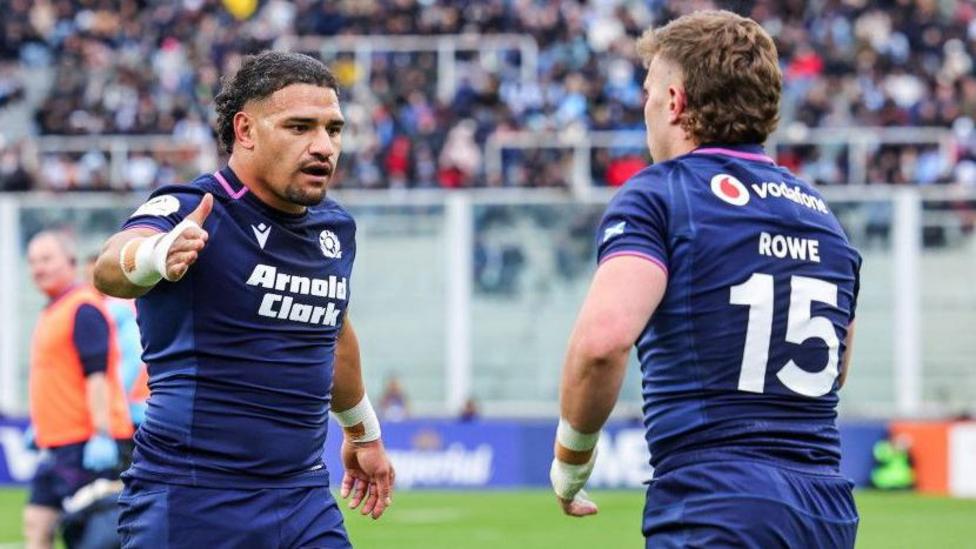
Scotland Outlast Pumas in 12-Try Cordoba Epic
Gregor Hiddleston's debut try headlines Scotland's 47-38 Nations Championship opener against Argentina in a points-frenzied contest.
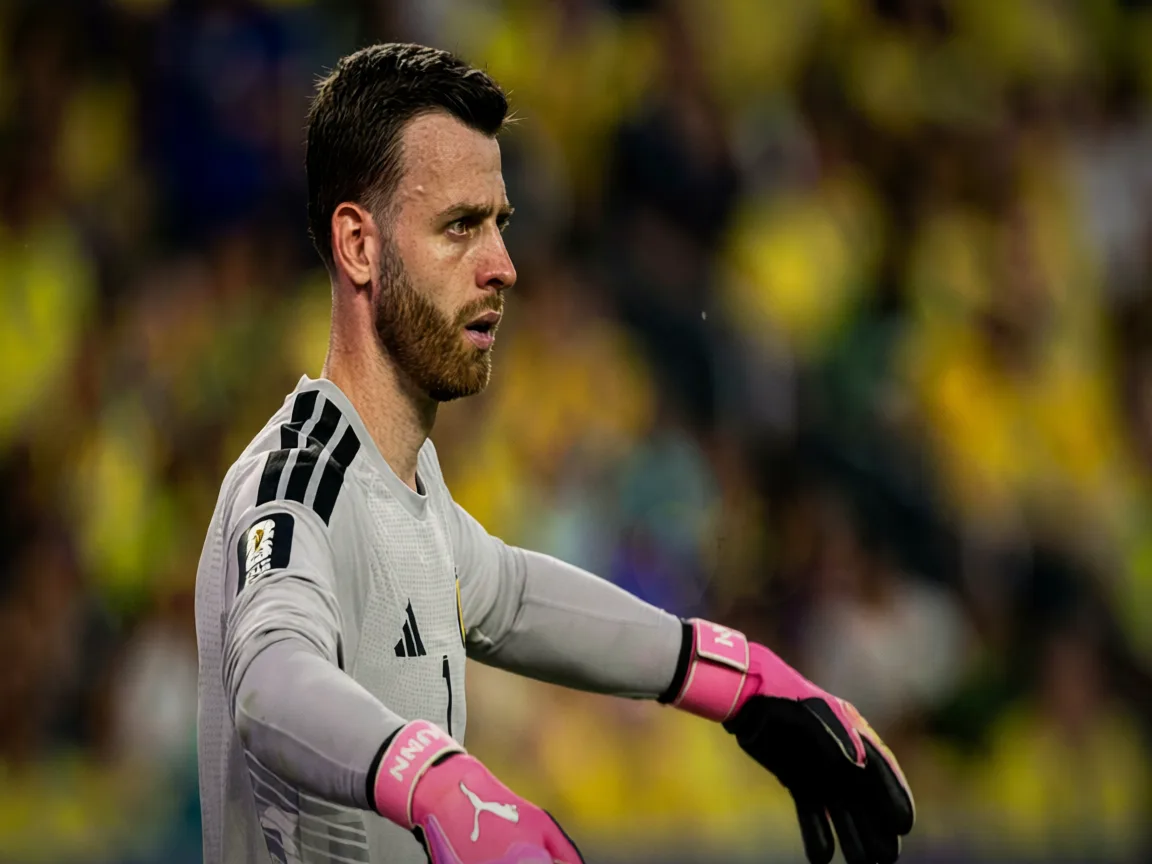
Angus Gunn and the Tactical Case for La Liga Redeployment
Released goalkeeper Angus Gunn's shot-stopping and distribution profile demands a side willing to use him as a false libero rather than a static last line.
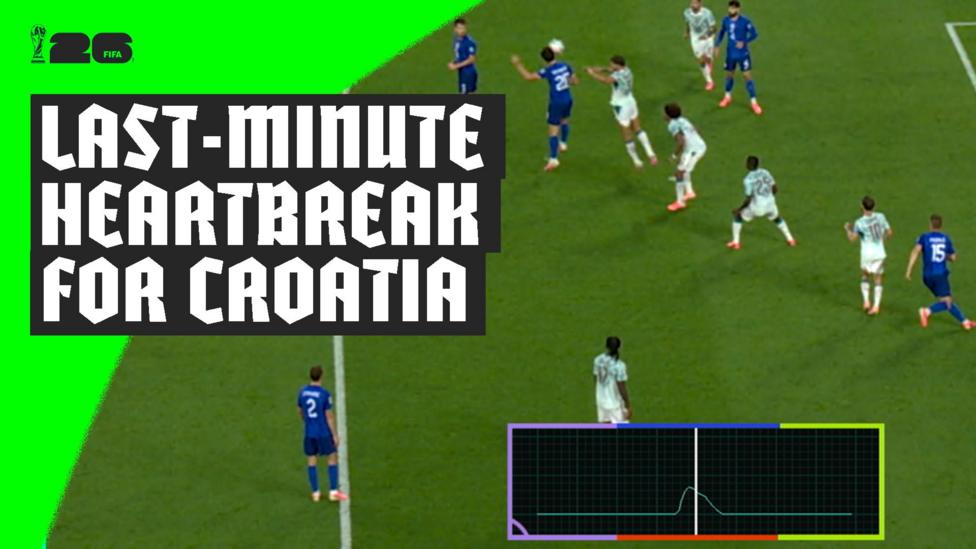
Gvardiol's Agony: VAR Denies Croatia in Stoppage-Time Heartbreak
A marginal offside call erased Gvardiol's stoppage-time leveller, sending Portugal through as Croatia's World Cup run ended in cruel fashion.