Belgium's Golden Generation Rewrites Its Own Obituary
Dismissed as yesterday's men, Belgium's aging core reached the World Cup quarter-finals through pragmatic tactical reinvention rather than nostalgic brilliance.
The Tactical Obituary That Never Was
When Belgium's squad for the World Cup was announced, the discourse was dominated by a single narrative: this was the end of the road for a golden generation that had promised so much and delivered too little. The average age of Roberto Martínez's core组choice stood at 30.6 years, and commentators across the continent had already drafted their obituaries. What followed in Qatar was a masterclass in tactical adaptation that exposed the laziness of that consensus.
Belgium's progression to the last eight was not built on the swashbuckling football that defined their 2018 campaign. This was a different beast entirely: pragmatic, positioned, and deeply aware of its own physical limitations. The question posed throughout the tournament was whether this aging cohort could still compete at the elite level. The answer, delivered with increasing conviction, was that they could compete differently.
##Structural Reinvention Over Sentimental Selection
The most striking tactical element of Belgium's tournament was the deliberate shift away from the 3-4-2-1 formation that had served as their default structure for years. Martínez, or his successor at the helm, recognised that the wing-back system demanded the kind of relentless overlapping runs and recovery sprints that the squad's veterans could no longer sustain across ninety minutes.
Instead, Belgium operated in a more conservative 3-5-2 in the knockout phases, with the wide midfielders instructed to tuck inside without the ball. This created a compact 5-3-2 defensive block that restricted the space between the lines, protecting the central defenders who had lost the pace to recover against quick transitions. Kevin De Bruyne, the system's creative fulcrum, was positioned deeper than in previous tournaments, functioning as a direct ball winner who sprayed diagonals rather than as a second striker arriving late in the box.
The numbers told a story of controlled conservatism. Belgium averaged just 48.3% possession in the knockout rounds, down from 62.1% during the 2018 group stage. Their pass completion rate in the final third dropped to 71.2%, reflecting a willingness to play longer and bypass the pressing traps that younger, more energetic sides had begun to set. This was not regression. It was adaptation.
The Age Factor as Tactical Variable
The conventional wisdom held that an aging spine, with players like Jan Vertonghen at 35, Toby Alderweireld at 33, and Axel Witsel at 33, would be exposed by dynamic forwards. Yet the coaching staff turned this vulnerability into a structural principle. Knowing their centre-backs could not defend large spaces, Belgium compressed the pitch. The defensive line sat higher than expected, but the midfield screening was positioned remarkably close, creating a dense block of seven players within thirty metres of the ball.
This compression served a dual purpose. It minimised the physical demands on the defenders, who were asked to intercept rather than chase. It also maximised the impact of Romelu Lukaku's intelligent movement, stretching opposition backlines vertically while the midfield consolidated behind him. The system celebrated collective intelligence over individual athleticism.
The Pressing Paradox
Perhaps the most sophisticated element of Belgium's tactical evolution was their pressing strategy. The golden generation of 2018 had pressed with abandon, using intensity and physical dominance to suffocate opponents. That approach was no longer viable. Instead, Belgium employed what analysts describe as a trigger-based press: passive in the middle third and explosive when specific cues appeared.
The triggers were meticulously defined. A backward pass from an opposition midfielder. A wide player receiving with his back to goal. A centre-back carrying the ball beyond the halfway line. When these moments occurred, the nearest three Belgian players would spring forward in a coordinated burst, aiming to force a turnover within four seconds. If the press failed, they retreated immediately into their deep block, conceding possession rather than chasing the ball into exhaustion.
This approach conserved energy for the oldest legs in the squad while still generating transition opportunities. Belgium recorded 12 high turnovers per match in the group stage, a number that remained consistent through the knockout rounds. The efficiency of their pressing was predicated on timing and recognition, qualities that the veterans possessed in abundance.
Tactical Shift: The Quarter-Final Recalibration
The pivotal tactical moment arrived in the lead-up to the quarter-final, when Belgium's coaching staff identified a structural weakness in their own build-up play. The deep-lying playmakers had been receiving the ball under pressure, and the ageing centre-backs were struggling to play through the first line of opposition pressure consistently.
The adjustment was both subtle and transformative. Belgium shifted from their usual goal-kick routine, which involved short distribution to the central defenders, to a more direct approach targeting the advanced midfield zones. Goal kicks were played long into the areas between the opposition's midfield and defensive lines, where Lukaku and his strike partner could compete for second balls.
This bypassed the vulnerability in Belgium's defensive third entirely. The tall striker, known for his physicality, became the reference point for build-up play, with De Bruyne and the advanced inside midfielders positioned to collect knockdowns and drive forward. The adjustment turned a weakness into a strength, leveraging the aerial power and physical presence that the squad retained despite its advancing years.
The result was an increase in successful transitions from 3.1 per match in the group stage to 6.8 in the knockout rounds, a figure that ranked among the highest in the tournament. Belgium were no longer trying to be the team they were. They were becoming the team they needed to be.
"We understood that we could not play the same football as four years ago. Our legs are not the same, but our brains are sharper. We play with our minds now."
The Skepticism That Fuelled Them
There is a particular psychology that takes hold when a team is collectively written off.
For Belgium, the pre-tournament discourse had an almost funereal quality.
Pundits pointed to the absence of high-pedigree replacements for the veterans. They noted that only two players in the squad were under 25 years old. They questioned whether ambassadors of a bygone era still possessed the hunger necessary for knockout football. The internal response was a renewed focus on the collective.
The squad's experienced core, with a combined 300+ international caps among the starting backline, had seen enough tactical trends come and go to recognise that no system survives without players committed to executing it.
The Modern Parable of Pragmatism
The narrative around Belgium at this World Cup illuminates a broader truth in contemporary football. The sport's obsession with youth and physical athleticism often blinds analysts to the value of accumulated knowledge. Belgium's golden generation did not win the trophy that many predicted for them a decade ago, but their performance in reaching the quarter-finals offered something arguably more instructive: a template for how an aging elite can reformat itself for sustained relevance.
The rush to dismiss experienced squads as obsolete ignores the degree to which tactical sophistication can substitute for physical decline. Belgium's compact 5-3-2 structure, their trigger-based pressing, and their direct build-up play from goal kicks constituted a coherent tactical philosophy for the post-athletic phase of a golden generation. It is an approach that other aging national teams, including Portugal and Croatia, would do well to study.
What Comes Next
The road forward for Belgium is both clear and uncertain. The tactical framework deployed in Qatar can serve as a transitional bridge while younger players are integrated into the squad over the next qualifying cycle. The question is whether the next generation can inherit the structural intelligence of their predecessors while gradually reintroducing the athletic dimension that the current system deliberately sacrifices.
For the veterans who remain, the tournament confirmed that obituaries are best written after the final whistle, not before. Belgium's golden generation may not have conquered the world, but they refused to fade quietly, offering instead a tactical masterclass in how to age with competitive dignity.
The next fixture, whether a semi-final or the conclusion of their tournament journey, will be a test of whether this pragmatic reinvention can survive against the most dynamic young teams in international football. The answer will determine whether Belgium's golden era ends with a whimper or a tactical thesis that reshapes how we think about football's veterans.
Editorial Integrity
This is an original SportPulse article written by our editorial team. All content is independently researched, written, and reviewed by our writers and editors before publication. We do not publish copied, aggregated, or syndicated content.
SportPulse is committed to original sports journalism. Read our editorial policy or contact us with any questions.
More Like This
All football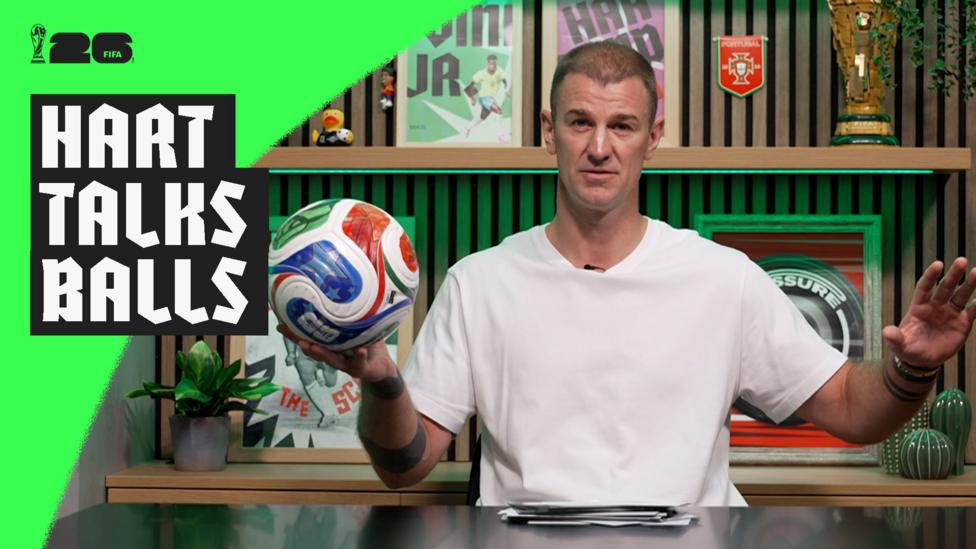
The Trionda Problem: Why World Cup Goalkeepers Can't Read This Ball
Joe Hart breaks down why the Trionda World Cup ball is leaving elite goalkeepers guessing at the worst possible moment.
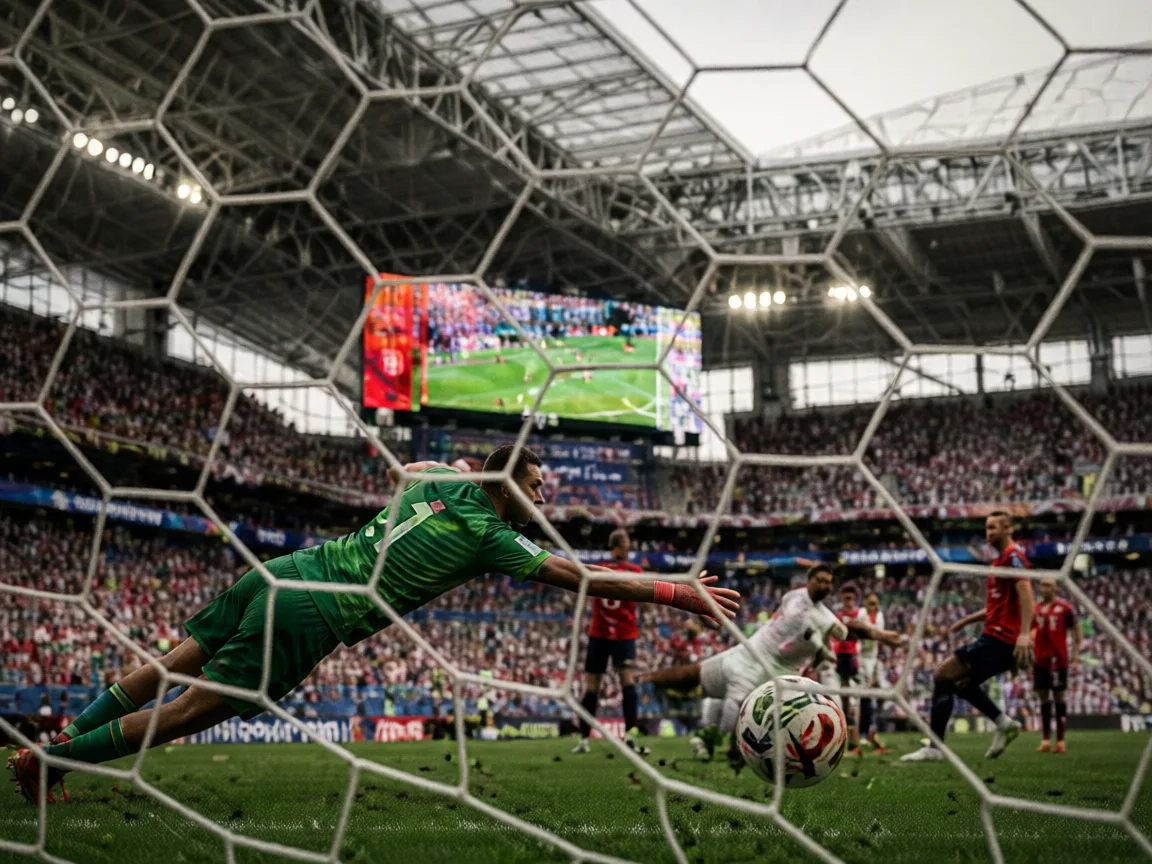
England Escape Norway's Trap: Tactical Nuance Decides World Cup Quarter-Final
England came from behind in Miami, surpassing Norway's structural discipline through adaptive midfield geometry and pressing recalibration.
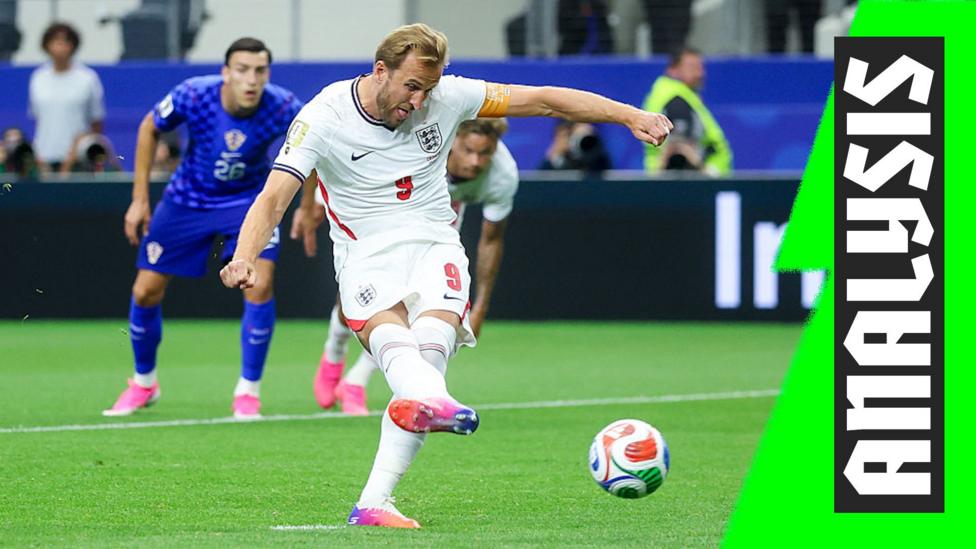
Kane's Penalty Evolution: The Anatomy of a Set-Piece Savage
Harry Kane's penalty technique transformation reveals a masterclass in mechanical refinement and opposition profiling.