Belgium's Post-Golden Generation Era Begins Against USA
Belgium enter World Cup 2026 neither relic nor contender, but a dangerous transitional side the USMNT cannot afford to underestimate.
The End of an Era That Never Truly Ended
The whiff of unfulfilment is a peculiar scent. It does not stink of failure, exactly, but it perpetually smells of something left in the oven too long. For Belgium, that aroma has hung over their last three major tournaments, a constant, nagging reminder of what could have been.
This framing is not entirely fair. Belgium reached a World Cup semi-final. That is an achievement the vast majority of nations would celebrate for decades. Yet the narrative persists, largely because the talent pool was once deep and generational.
Beating Brazil in the quarter-final in Russia 2018 was a genuinely outstanding feat. That side, featuring Vincent Kompany, Eden Hazard, Thibaut Courtois, Romelu Lukaku, and Kevin De Bruyne, was stacked with genuine world-class talent. But after dispatching Brazil, they lost 1-0 to France in the semi. A Samuel Umtiti header. One set-piece. One missed opportunity.
The squad was good enough to win the tournament. That was as close as they came.
The Survivors and the Transition
What makes Belgium's 2026 squad so fascinating is that it represents neither a clean break from the past nor a tired rehash of it. The 2022 World Cup in Qatar felt like the Golden Generation redux — the same players, just a little bit older and significantly more tired. That tournament ended in group-stage elimination, a dismal affair that confirmed the cycle was not just winding down but had already stopped.
Now, four years later, the picture is different, even if some faces remain.
Courtois, Lukaku, De Bruyne, Axel Witsel, and right-back Thomas Meunier have all endured since the 2022 campaign. Each carries the physical and psychological mileage of a decade at the highest level. Yet to call this squad merely a descendant of the 2018 vintage is to misunderstand what is happening.
This is not the Golden Generation, Part II. It is something stranger and potentially more interesting: a hybrid.
The New Wave
A new generation of players is emerging, and while they may lack the shimmering star quality of their predecessors, they compensating with tactical sophistication and a functional understanding of the modern game.
Consider the profile of the newcomers and semi-established figures:
- Leandro Trossard — Arsenal's versatile forward brings genuine Premier League pedigree and a flexible tactical profile.
- Youri Tielemans — has matured into a reliable midfield conductor, his passing range and game intelligence now central to Belgium's build-up.
- Jérémy Doku — perhaps the most electrifying dribbler in the squad, a player who can isolate full-backs and stretch defenses in ways the 2018 side sometimes lacked.
- Charles De Ketelaere — the creative forward finally finding his feet at Atalanta after a difficult spell at AC Milan, he offers a different dimension in the final third.
They are perhaps not World Cup winners. But they are certainly not to be dismissed.
The Realism of a Small Nation
Here is the perspective that often gets lost in the discourse. Belgium is a country of just under 12 million people. To put that in context, France has around 68 million, Germany over 83 million, and Brazil more than 215 million.
It is not realistic to expect a nation of that size to consistently produce potential world champions. That Belgium produced one genuinely golden generation is itself a minor miracle of coaching, scouting infrastructure, and player development.
The federation's investment in youth development in the 2000s bore remarkable fruit through the 2010s, yielding a golden age that climaxed with that semi-final loss to France. The expectation that this pipeline would continue producing players of the caliber of Hazard and De Bruyne indefinitely is simply unrealistic.
What this new Belgium represents is not a decline, but a normalisation. A return to being a competent, well-organised international side with quality in key positions, rather than an anomaly of generational talent.
What This Means Against the USA
When Belgium face the United States at the World Cup, they present a uniquely tricky challenge.
The USMNT will be facing an opponent that does not quite know what it is yet. Are they the remnants of a once-great side clinging to relevance? Or are they a new, cohesive unit finding its feet on the global stage?
The answer is both, and that is what makes them perilous.
In De Bruyne, they still possess one of the finest playmakers of his generation. Even at 34 years old by the time the tournament kicks off, his vision, passing range, and ability to control the tempo of a match remain elite. Around him, the youthful energy of Doku and the industriousness of Tielemans create a midfield dynamic that is both experiential and energetic.
Lukaku, for all his critics and his big-moment misses, remains a physical specimen who can terrorise defences on his day. His record in qualifying and friendlies suggests the goals have not dried up entirely.
The Tactical Questions
The real issue for Belgium is not personnel but system.
The 2018 side under Roberto Martínez had a clear identity: a 3-4-2-1 that maximised the strengths of its wing-backs, allowed De Bruyne to function as a deep-lying playmaker, and gave Hazard the freedom to drift and create. It was a system built for those specific players.
The current iteration of Belgium does not have a Kompany at the back to marshal the defence. It does not have a Hazard in his prime to unlock tight defences with a drop of the shoulder. The system must be different, and finding that coherence is the task of the current coaching staff.
"We are not the Golden Generation anymore. We are a new team with new ambitions. The past is the past."
That mentality is healthy. It acknowledges reality without succumbing to despair. Belgium are not pretending to be something they are not, which is the first step toward building something genuine.
The Bottom Line
For the United States, preparing to face Belgium means preparing for a side in flux, but one with enough quality and experience to punish any complacency. The Americans will face a hybrid team — experienced core supplemented by emerging talent, searching for a new identity but still capable of moments of brilliance.
Belgium may not win the World Cup in 2026. That much seems likely. But they will not be the tired, dispirited side that limped out of Qatar. They will not be the relic of 2018 stumbling through one final tournament.
They will be a competent, dangerous, transitional side — and underestimate a transitional side at your peril.
The Golden Generation is gone. What replaces it might not glitter, but it can still bite.
Verdict: Belgium arrive at the 2026 World Cup as a nation reborn — not in the image of past glory, but as a pragmatic, evolving side with enough residual class to cause serious problems for the USA and anyone else who takes them lightly.
Editorial Integrity
This is an original SportPulse article written by our editorial team. All content is independently researched, written, and reviewed by our writers and editors before publication. We do not publish copied, aggregated, or syndicated content.
SportPulse is committed to original sports journalism. Read our editorial policy or contact us with any questions.
More Like This
All football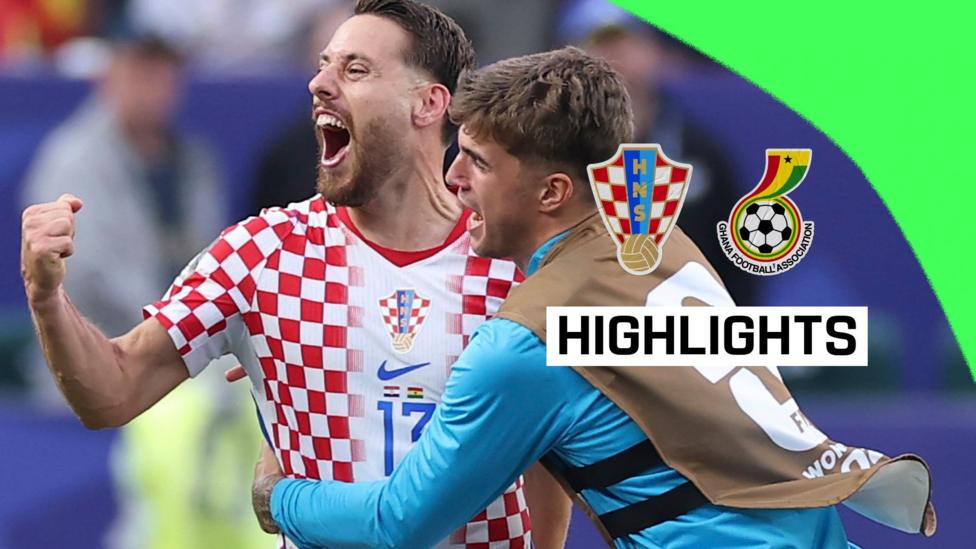
Croatia's Tactical Poise Breaks Ghana in World Cup Crucible
Nikola Vlasic's late header underscores Croatia's calculated tactical adjustment to secure knockout progression.
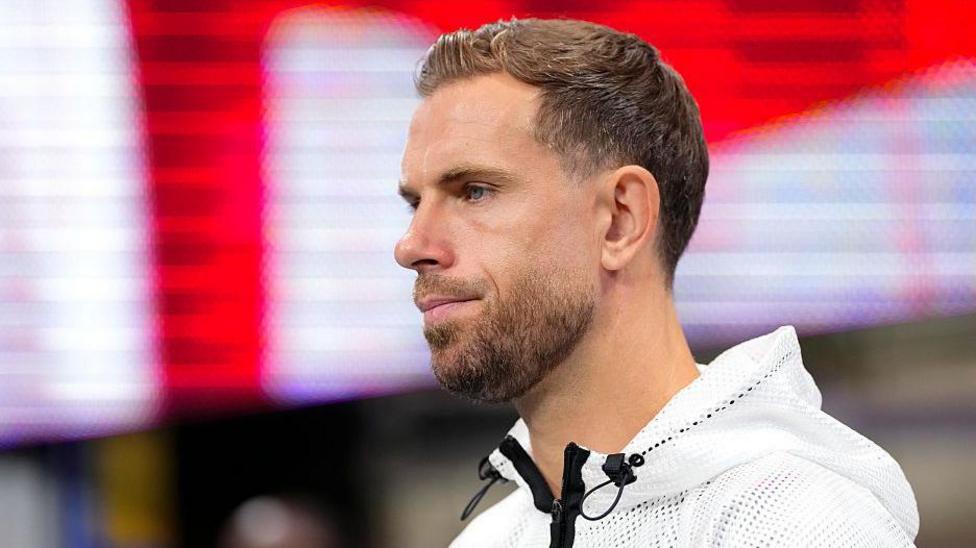
Henderson Suffers Wrist Injury in England World Cup Celebration
Jordan Henderson's World Cup glory turned sour after a wild celebration left him with a serious wrist injury, coach Thomas Tuchel confirmed.
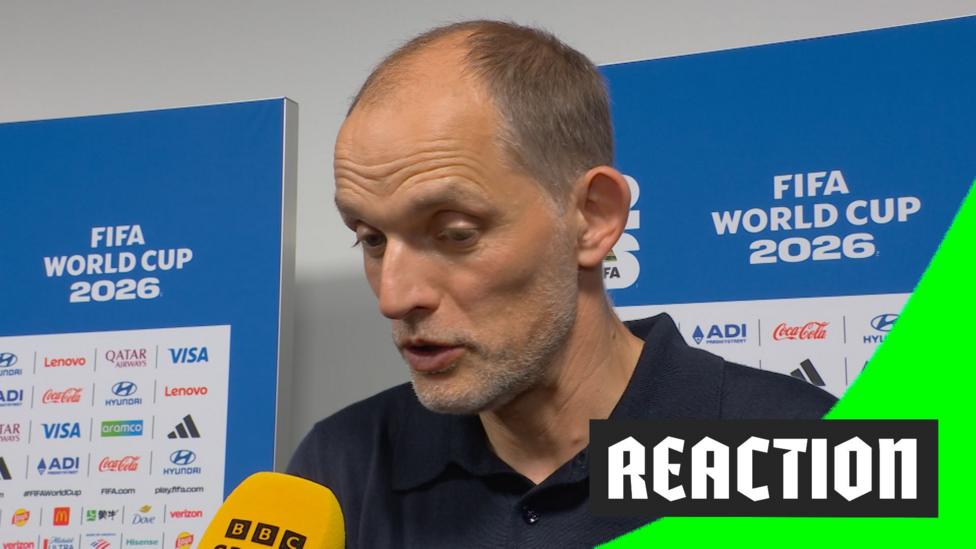
Tuchel's Tactical Puzzle: Ghana's 'Committed' Defense Exposes England's Flaws
England's attack stalled against Ghana's disciplined defense, raising questions ahead of the knockout stages.