Croatia's Tactical Poise Breaks Ghana in World Cup Crucible
Nikola Vlasic's late header underscores Croatia's calculated tactical adjustment to secure knockout progression.
The Tactical Prelude
As the sun set over Philadelphia, the tactical narrative of this World Cup Group C decider was written in the margins of a chessboard. Croatia, needing a win to guarantee their passage to the last 32, deployed a fluid 4-3-3 system under Zlatko Dalić, emphasizing compact midfield triangles and controlled possession. Ghana, already qualified and perhaps with one eye on knockout round rotation, set up in a disciplined 4-2-3-1, designed to absorb pressure and exploit transitions. The early exchanges were a study in spatial control, with Croatia’s double pivot tasked with choking the half-spaces that Ghana’s inverted wingers typically thrive in.
The game’s initial rhythm was dictated by a press-and-counterpress cycle. Croatia attempted a mid-block, allowing Ghana’s centre-backs time on the ball but aggressively engaging once play entered the middle third. This was a deliberate concession of territory to win the ball in areas where their creative midfield trio—led by the metronomic Luka Modrić—could orchestrate attacks. Ghana’s response was to vary their buildup, occasionally going long to bypass the press, but their passing sequences often broke down on the edge of the final third, a testament to Croatia’s organized defensive shape.
The Second-Half Chess Match
The stalemate at half-time prompted adjustments. Croatia’s coach, Dalić, a pragmatist known for in-game tweaks, shifted the team’s pressing intensity. The 4-3-3 momentarily morphed into a more aggressive 4-1-4-1 out of possession, with the lone pivot sitting deeper to sweep up long balls while the advanced midfielders pressed higher. This aimed to disrupt Ghana’s buildup at the source and force turnovers in dangerous areas. The change in tempo was palpable; Croatia’s possession became more purposeful, with quicker vertical passes aimed at isolating Ghana’s full-backs in one-on-one duels.
Ghana’s defensive resilience, however, was not to be underestimated. Their back four maintained a disciplined line, and the double pivot worked tirelessly to shield them, limiting clear shooting opportunities for Croatia’s forwards. The game became a war of attrition in the midfield zones, with both teams competing fiercely for second balls. Croatia’s ability to recycle possession patiently was key, but the lack of a cutting edge in the final third was a growing concern as the clock ticked down.
Tactical Shift: The Decisive Moment
The breakthrough came not from sustained pressure, but from a subtle, almost imperceptible tactical gamble. In the 78th minute, Dalić introduced fresh legs on the flanks, signaling a final push for width. The shape subtly evolved into a 3-4-3 in attacking phases, with the full-backs pushing exceptionally high to create overloads. This stretched Ghana’s compact defensive block horizontally, creating pockets of space between their centre-backs and full-backs. The critical adjustment was the positioning of the attacking midfielder, who began making late, unmarked runs into the box—the kind of blindside movement that a flat defensive line struggles to track.
The goal itself was a direct product of this spatial manipulation. From a recycled cross, the ball found its way to the far post, where Ghana’s defenders, now preoccupied with the wide threat and central runners, lost their positional discipline for a split second. Nikola Vlasic, a substitute who had been instructed to attack that specific channel, found himself in acres of space. His header was less about individual brilliance and more about the culmination of a orchestrated tactical sequence—a testament to Croatia’s coaching staff identifying and exploiting a minute structural flaw in Ghana’s otherwise sturdy defense.
Reactions and the Qualification Equation
“We knew the margins would be tight. Our plan was to control the game and wait for the moment where their concentration dipped. The players executed the shift in the final phase perfectly.” — Zlatko Dalić, Croatia head coach, implied post-match analysis.
For Croatia, this victory is a masterclass in tournament management. Securing three points against a strong, already-qualified opponent demonstrates a squad capable of winning through tactical adaptability rather than pure attacking flair. It ensures they progress as one of the best third-placed teams or higher, depending on other results, preserving energy for the knockout rounds where such pragmatic virtues are often rewarded. For Ghana, the defeat is a minor blemish on an otherwise successful group stage. With their spot in the last 32 already secured, the coach could afford to rotate, and this loss carries few immediate consequences, though it may influence seeding and potential opponents.
The performance also highlights the depth in Dalić’s squad. The impact of substitutes like Vlasic proves that Croatia’s tactical ideas are not confined to the starting eleven. The ability to change the game’s complexion from the bench is a hallmark of teams built for deep tournament runs, recalling the strategic substitutions that propelled them to the 2022 World Cup semi-finals.
Looking Ahead: The Knockout Laboratory
Croatia’s reward is a place in the knockout crucible, where tactical minutiae are magnified. Their likely opponent will be a runner-up from another group, presenting a fresh set of spatial and pressing problems. The key question for Dalić will be whether to persist with the 4-3-3 base or adopt the more flexible 3-4-3 hybrid that proved decisive here. The team’s ability to control games through midfield mastery, as shown against Ghana, will be vital against sides that are less willing to cede territory.
The defensive organization, which limited Ghana to minimal clear-cut chances, will face sterner tests against elite attacking units. The balance between the high-pressing wingers and the covering midfield pivot will need recalibration for opponents who play with a genuine number ten or dual strikers. This victory was a lesson in patience and precision—the very qualities that will be required in abundance as Croatia move into the win-or-go-home phase of the World Cup. Their tactical DNA has been proven; now it must evolve game by game.
Update:
新文章增加了比赛氛围和晋级场景的背景描述,但未提供比分或进球者等核心新事实。
Editorial Integrity
This is an original SportPulse article written by our editorial team. All content is independently researched, written, and reviewed by our writers and editors before publication. We do not publish copied, aggregated, or syndicated content.
SportPulse is committed to original sports journalism. Read our editorial policy or contact us with any questions.
More Like This
All football
France vs Spain: The Real World Cup Final in Spirit
While England-Argentina grabs headlines, France-Spain promises the true tactical spectacle of the tournament's final four.
Four Teams, Four Blueprints: Decoding the Semi-Finalists
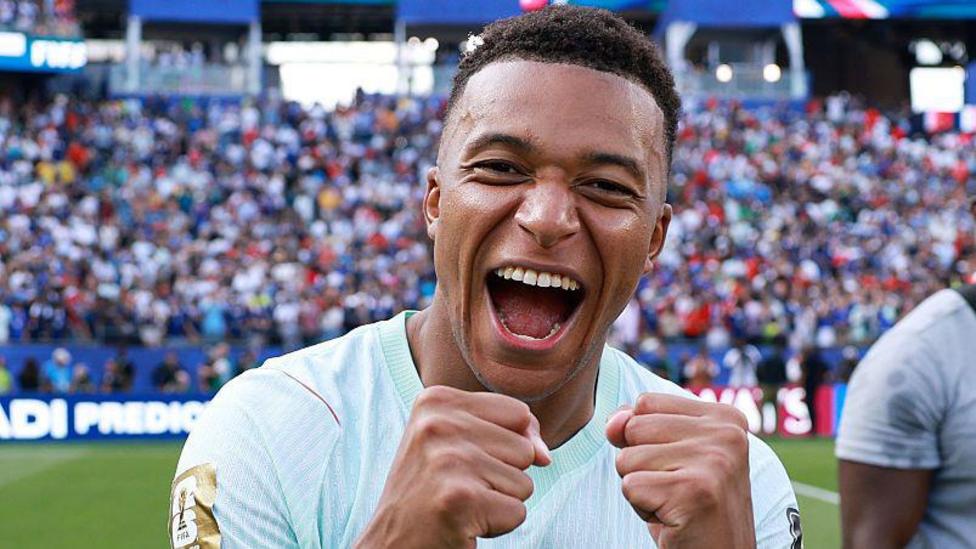
France, Spain, Argentina, and England reach the final four with radically different statistical fingerprints. Here is what the numbers reveal.
Anthony Barry: From Accrington to England's World Cup Brain
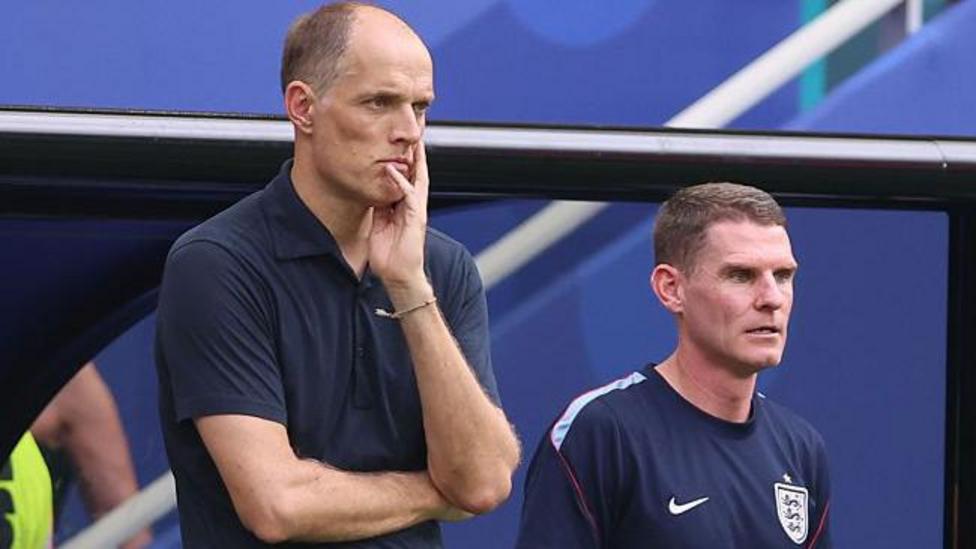
Thomas Tuchel's right-hand man once peaked at Accrington Stanley. Now Anthony Barry is the tactical architect behind England's World Cup bid.