How Afcon's biennial switch cost Caf a billion-dollar lifeline
Caf walked away from $1bn in guaranteed income by moving Afcon to a four-year cycle, leaving the body without a long-term deal since 2019.
The abandoned billion
The Confederation of African Football turned down a guarantee of at least $1bn in secured income over eight years because it moved the Africa Cup of Nations from a biennial to a four-yearly competition. Were Caf a publicly traded company, shareholders would demand an explanation. As a continental governing body managing the finances of 54 member associations, the obligation to explain is arguably greater, yet the silence has been conspicuous.
No organisation voluntarily surrenders a ten-figure revenue stream without a counter-rationale that justifies the trade-off. The source revelation does not offer that rationale. It presents only the outcome: a deal abandoned, a bidding process stalled, and a financial vacuum that has persisted since 2019.
Caf has operated without a long-term commercial partnership for more than half a decade. The abandoned billion was not speculative or negotiable. It was secured income, committed and contracted. Surrendering it in exchange for a schedule less congested for European club seasons raises immediate questions about whose interests the decision served.
Motsepe's deferred answer
Patrice Motsepe, Caf's president, was asked directly about the bidding process on 5 July 2025, the eve of the delayed Women's Africa Cup of Nations in Morocco. The setting was Rabat, following an executive committee meeting in which the bidding process had been discussed at length.
Motsepe's response to the Guardian was measured:
A decision on a winning bid would be made in due course.
"In due course" buys time rather than answers. The question was not solely about timing; it was about the structural rationale behind the biennial switch and why the body discarded a contract worth $1bn in guaranteed revenue.
The Women's Africa Cup of Nations itself had faced delays, making the timing of the executive committee meeting doubly freighted. If Caf could not deliver its premier women's competition on schedule, the credibility implications for managing its broader commercial pipeline were unavoidable.
The logic did not survive the switch
The commercial case for a biennial Afcon rested on inventory volume. More editions within a rights cycle meant more broadcast windows, more sponsorship activations, more matchday revenue, and more headline visibility. A buyer committing $1bn over eight years was pricing four editions of the men's tournament into that package.
Shifting Afcon to a four-yearly cycle halved the available inventory. Two editions replaced four. The financial proposition collapsed because it was built on a frequency the governing body chose to abandon.
This was not market rejection. The deal existed. It was real, quantified, and abandoned by Caf's own decision, not by the buyer retreating.
Why a continental body walks away from money
There is a defensible argument for the four-yearly switch, though Caf has not framed it with commercial transparency. Protection of player welfare is one pillar. Afcon typically falls in January, clashing with the peak of European domestic seasons, triggering annual club-versus-country friction. European leagues applied sustained institutional pressure against a biennial Afcon long before this decision.
A less tournament-heavy calendar is easier to accommodate within the international windows Fifa allocates. Spectator fatigue is a real commercial risk; a continental championship dilutes faster the more often it is played.
The counterpoint is direct. Caf's core product is Afcon. Reducing its frequency halves the body's most marketable asset and eliminates the only guaranteed revenue stream large enough to function as organisational ballast.
Without a long-term financial agreement since 2019, Caf has been operating on short-horizon commercial arrangements. These are typically less lucrative and carry less leverage. The abandoned deal was the off-ramp from that instability.
The governance question
The Guardian revelation raises the issue of what the executive committee was told about the $1bn figure before the biennial switch was adopted. Member associations across Africa rely on Caf distributions for operational budgets, grassroots development, and administrative infrastructure. Walking away from a contracted billion necessarily affects what Caf can distribute downstream.
Motsepe was elected on a reform platform promising transparency, governance improvements, and financial growth. The decision to abandon a landmark revenue package requires the kind of public articulation that has not been provided. "In due course" does not constitute an explanation.
The bidding process for the abandoned commercial rights remains unresolved. Caf has not indicated what alternative revenue structure will replace the lost guarantee, or whether one exists.
Standing without a safety net
Caf's current financial posture is unambiguous: no long-term commercial partner, no secured billion, no public timeline for a replacement deal. The next sponsorship cycle, whenever it arrives, will be negotiated from a weaker position.
The body chose a four-yearly Afcon. The cost of that choice is now documented. The cancelled deal was not a speculative figure discussed in exploratory talks. It was committed income the governing body forfeited by its own scheduling decision.
Afcon is African football's most marketable commercial asset, and Caf just halved its output. The $1bn was real. The abandonment was voluntary. Until the bidding process produces a replacement, the governance deficit Motsepe pledged to close remains the defining feature of his tenure. No long-term deal since 2019, and the last one walked out the door by choice.
Editorial Integrity
This is an original SportPulse article written by our editorial team. All content is independently researched, written, and reviewed by our writers and editors before publication. We do not publish copied, aggregated, or syndicated content.
SportPulse is committed to original sports journalism. Read our editorial policy or contact us with any questions.
More Like This
All long-reads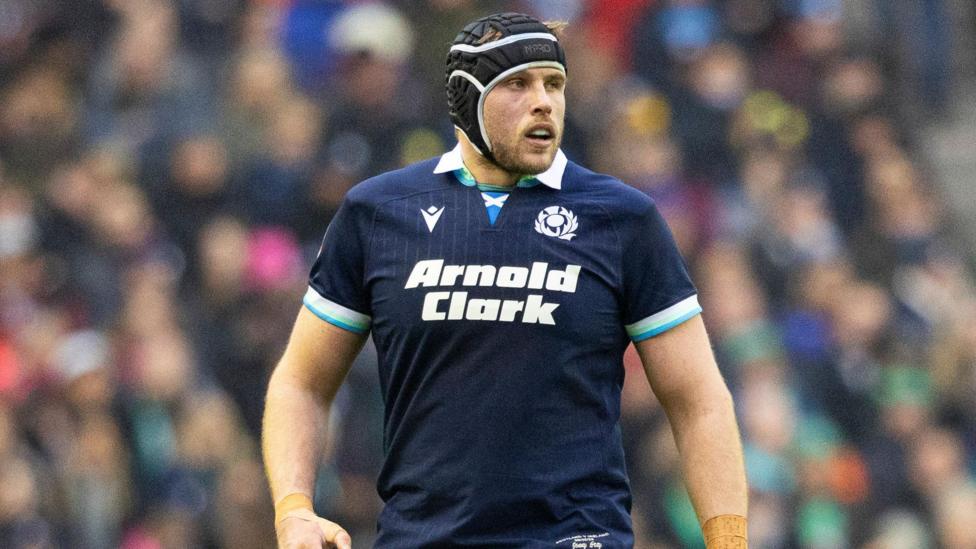
No Russell, But Gray Returns: Scotland's Bold Reshuffle for Argentina
Scotland face Argentina without their mercurial playmaker, but the return of Jonny Gray offers a crucial pack reinforcement.
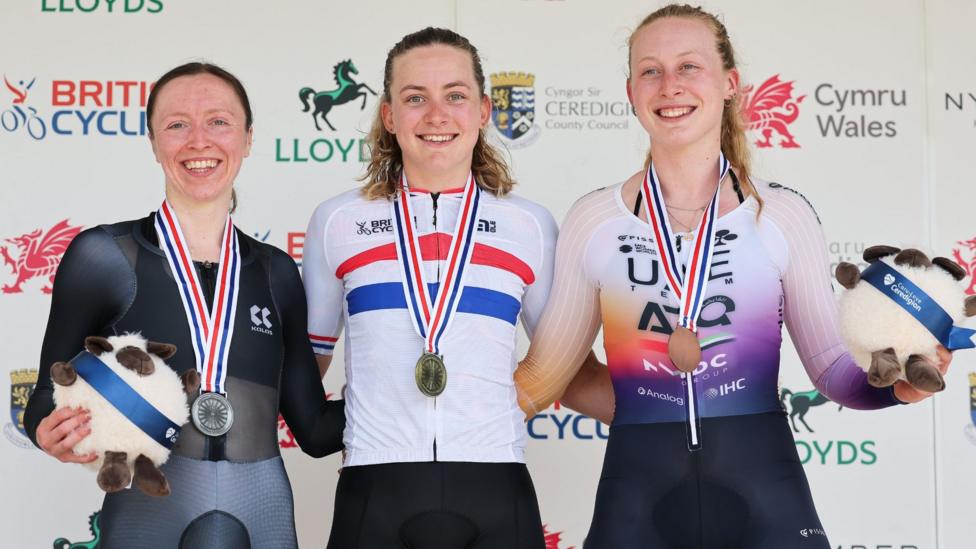
Backstedt Commands Welsh Sweep at British Time Trial
Zoe Backstedt defends her British time trial crown, leading an unprecedented all-Welsh podium in Lampeter.
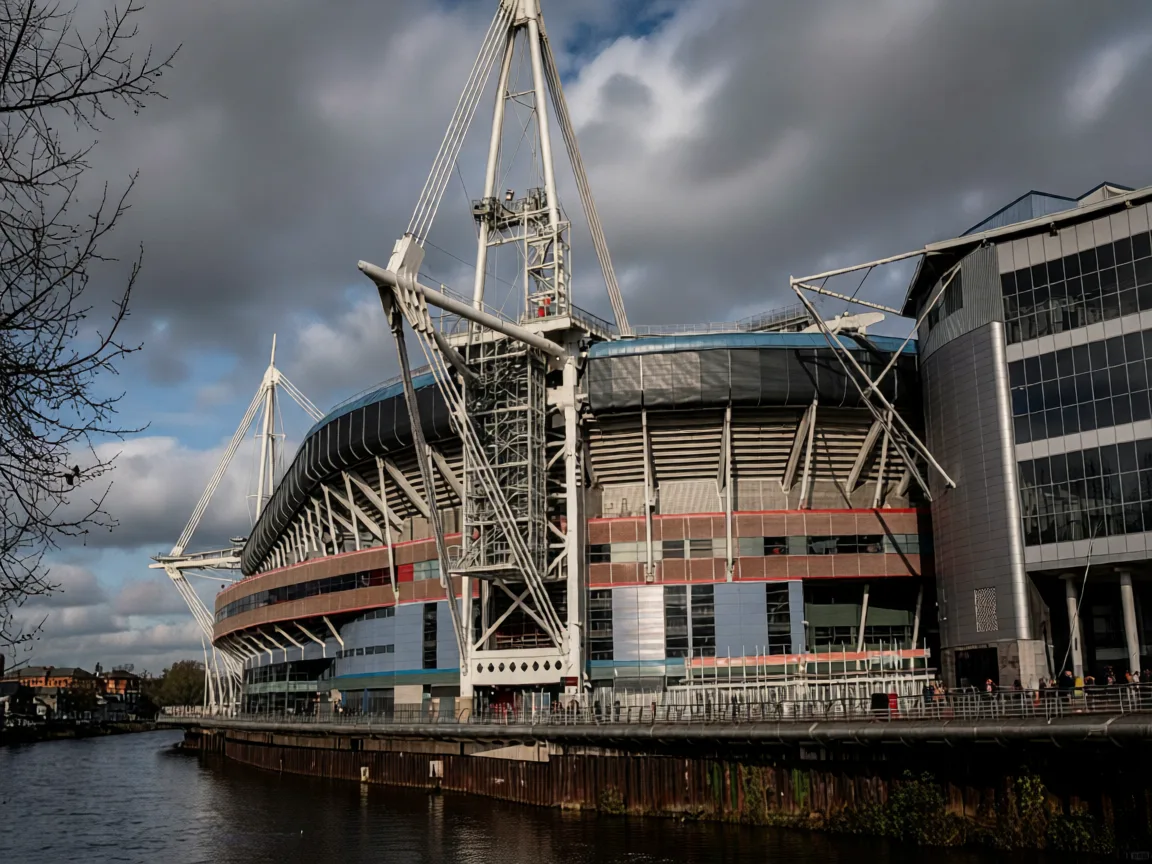
Cardiff Throws Its Hat Into the Fury-Joshua Sweepstakes
Principality Stadium bosses Position Cardiff as prime venue for the heavyweight collision, blending logistics, legacy and atmosphere.