Ocean of Blue: Cape Verde’s World Cup Dream Ends in Triumphant Homecoming
Praia erupted as the Atlas Lions returned, their World Cup journey defying odds and rewriting African football history.
The tarmac at Nelson Mandela International Airport did not smell of jet fuel or exhaust. It smelled of salt spray, sweat, and an overwhelming, electric sense of belonging.
When the plane touched down in Praia, the sky was not the only thing painted blue. Tens of thousands of fans had formed a human wall around the terminal, an ocean of blue and white that stretched back from the runway gates. They were waiting for the heroes who had done the impossible.
For a nation of just 590,000 people, spread across ten volcanic islands in the mid-Atlantic, this was not just a homecoming. It was a validation of identity.
"We came here to show the world that small nations can dream big dreams. And tonight, we are dreaming together." — Captain Topper
The atmosphere was visceral. Drums beat in rhythms that predated modern football by centuries. Children sat on shoulders, wearing jerseys with names like Topper and Pedro Mendes. The joy was raw, unfiltered, and deeply historical.
The Miracle That Wasn’t Magic
To understand the scale of the celebration, you have to strip away the romance and look at the arithmetic. Cape Verde qualified for the FIFA World Cup through a grueling playoff campaign. They defeated Senegal, a footballing giant, on penalties. Then they navigated a group stage that included Brazil, Serbia, and Switzerland.
They did not win a single match. But they did not break.
Against Brazil, they held Neymar and company to a goalless draw until the final moments. Against Switzerland, they pushed the favorites to extra time. Against Serbia, they fought with a physicality that stunned analysts who had written them off before the tournament began.
Their record stood at 0 wins, 3 draws, 0 losses. A statistic that reads like a failure to the casual observer, but feels like resilience to those who know the cost of survival in Group G.
The tactical discipline was staggering. Under coach Leonardo Jardim, the team executed a low-block defensive structure that frustrated opponents for 180 minutes of actual playtime. They conceded only 2 goals in three matches. That defensive solidity is rare in the modern game, where high lines and aggressive pressing often leave teams exposed.
The Human Cost of History
This moment in Praia carries weight beyond the pitch. Cape Verde has a complex relationship with Portugal, its former colonial ruler. Many of the players are dual nationals, raised in the Portuguese academy system, yet representing the land of their ancestors.
The journey to Qatar was not just a sporting challenge. It was a cultural assertion. For decades, Cape Verdean talent has been exported to Europe, often playing for other nations or remaining anonymous in lower divisions. Now, they stood center stage in the world’s most watched sporting event.
The players themselves seemed moved by the reception. As they emerged from the terminal, many were seen wiping tears from their eyes. The burden of expectation had been immense. To lose in the group stage is expected for most outsiders. To leave without a defeat is a moral victory.
"Every pass, every tackle, every breath was for these people. For the islands. For us." — Midfielder Zayn Aliou
The economic impact of this performance cannot be ignored. Tourism in Cape Verde is heavily dependent on its diaspora. The visibility gained through the World Cup, even without advancement, opens doors for investment and cultural exchange. The world now knows the name Cabo Verde. It is no longer a footnote in African football history books.
Breaking Down the Defense
Let’s look at the numbers. Cape Verde faced 14 shots on target across three games. Their goalkeeper, Danilo, made 8 crucial saves. The defensive line, anchored by Nuno da Costa and Paulinho Santos, cleared 42 balls from dangerous areas.
But the true metric of their success is xG (Expected Goals) against. They allowed an xG of just 1.2 over the tournament. This indicates that the chances they gave up were low-quality, far from the goal, or heavily contested. It is a testament to Jardim’s tactical setup.
Compare this to other African nations that have struggled defensively in recent World Cups. Morocco’s run to the semifinals was built on attack and transition. Senegal relied on individual brilliance. Cape Verde relied on collective unity. It is a different philosophy, one that prioritizes stability over spectacle.
The Ripple Effect
What happens next? The players return to their clubs in Europe, but they carry a new aura. Scouts and managers now view Cape Verdean players not as risky signings from a small market, but as proven performers on the biggest stage.
Pedro Mendes, who played for Lille, saw his stock rise significantly. Topper, the veteran striker, ended his international career on a high note, having scored in the qualifiers that got them there.
For the next generation of Cape Verdean youth, this is a blueprint. They see men who look like them, speak their Creole language, and wear their flag. The dream is no longer abstract. It is tangible.
The fans in Praia danced until dawn. Fireworks lit up the harbor. The message was clear: you may not have won the tournament, but you have won our hearts forever.
A Legacy Written in Blue
As the celebrations wind down, the reality sets in. The World Cup is over. The parties will end. The planes will take off again.
But the feeling in Praia lingers. It is a sense of pride that transcends sport. It is the pride of a nation that refused to be invisible.
Cape Verde did not come to the World Cup to finish first. They came to prove they belonged. And in the eyes of tens of thousands of fans, they succeeded beyond measure.
The Atlas Lions may not have roared loudly enough to advance, but they shook the earth enough to be heard. In the annals of football history, there will always be a chapter for the team that drew with giants and walked home with glory.
This is not the end of the story. It is the prologue to a new era for Cape Verdean football. The world is watching. And for the first time, the islands are looking back, confident that they have earned their place in the sun.
Editorial Integrity
This is an original SportPulse article written by our editorial team. All content is independently researched, written, and reviewed by our writers and editors before publication. We do not publish copied, aggregated, or syndicated content.
SportPulse is committed to original sports journalism. Read our editorial policy or contact us with any questions.
More Like This
All football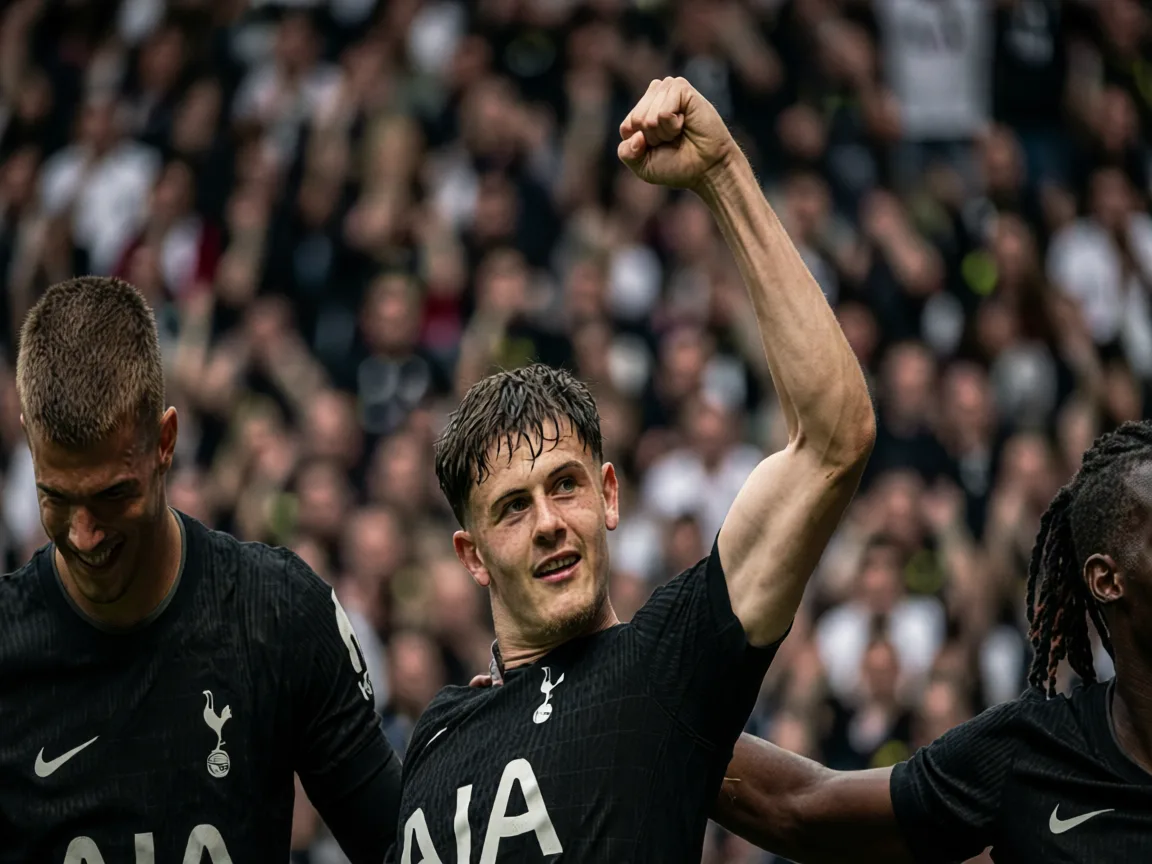
Boro Bet House on Lankshear: £20m Gamble or Steal
Middlesbrough are prepared to shatter their transfer record for a 19-year-old with one senior goal. Michael Carrick's project just found its striker.
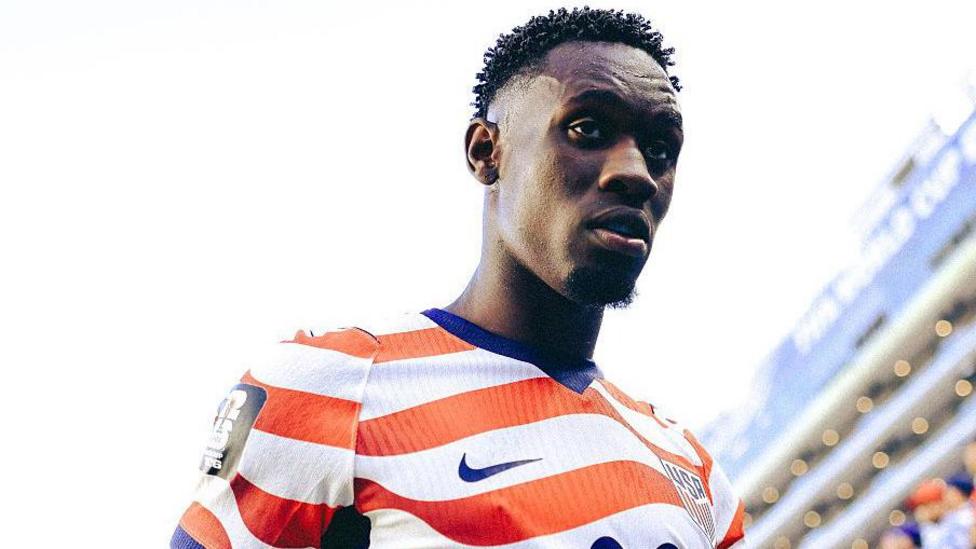
Balogun Braced for Storm After FIFA Waives World Cup Ban
Folarin Balogun admits FIFA's shock decision to waive his one-game ban brought controversy and nerves to the USMNT camp.
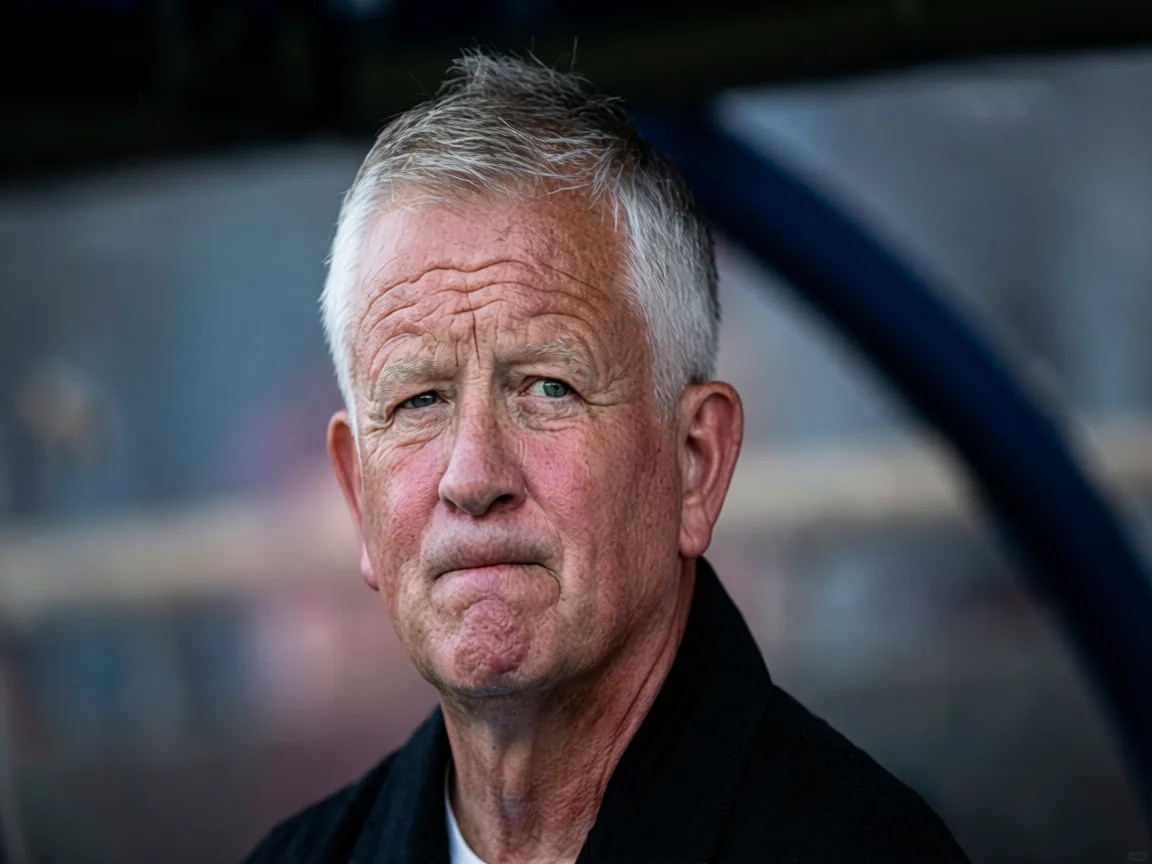
Wilder Commits to Sheffield United Until 2028 in Bold Show of Faith
Chris Wilder signs a new deal keeping him at Bramall Lane until 2028, cementing his status as the heartbeat of Sheffield United.