Carter's Heroics Not Enough as New Zealand End Scotland's Dream
Darcey Carter's stunning 72 went unrewarded as holders New Zealand sent Scotland crashing out of the T20 World Cup.
Darcey Carter stood tall at the crease, refusing to surrender. Her bat carved through the Bristol air with a precision that demanded attention. An unbeaten 72 off just 48 balls should have been the cornerstone of a famous upset. Instead, it became a monument to individual brilliance swallowed by a harsh collective reality. Scotland are out of the Women's T20 World Cup. The holders made sure of that.
New Zealand, wearing the weight of the crown with familiar ease, proved exactly why they own the title. The gulf in class was stark. Yet the scorecard tells a story of profound contradiction. A story where one player's career-defining innings met the cold, unforgiving machinery of a champion side.
The Innings That Demanded More
Carter did not merely play a knock. She orchestrated a one-woman resistance. Striking at a rate of 150.00, she dissected an attack brimming with international pedigree. She found the boundary with monotonous regularity and rotated the strike with the composure of a veteran ten years her senior.
But cricket remains a team sport played in brutal mutual dependence. When Carter looked around the dressing room, she found silence. The rest of Scotland's batting order mustered a combined contribution that bordered on collapse. Wickets tumbled in a heap at the other end, exposing the fundamental fragility that has haunted this side on the big stage.
"She played out of her skin. That was a world-class innings in a high-pressure scenario. But you cannot win tournaments if only one player shows up to fight." — Broadcast analyst observation
Every time Carter struck a boundary, a wicket seemed to fall at the opposite end. It was a tragic rhythm. A rhythm that ultimately cost Scotland any realistic chance of posting a competitive total. The middle order failed to rotate strike. The lower order simply surrendered. Carter was left stranded, marooned on a heroic score that deserved to be match-winning.
The Ruthlessness of the Holders
New Zealand do not do panic. They do not do charity. Facing a Scottish side bolstered by Carter's heroics, the White Ferns approached their chase with the calculated ruthlessness of a side that knows exactly what it takes to win at this level.
The Bristol pitch offered little devilry. The target, rendered modest by Scotland's middle-order collapse, never looked in doubt. New Zealand's openers navigated the early seam movement with clinical ease. They targeted the weak links in Scotland's attack. They mercilessly punished anything straying in line or length.
The defending champions operate on a different frequency. They absorb pressure, then apply it in suffocating waves. Their fielding was razor-sharp, cutting off the singles Carter desperately tried to manufacture. Their bowling changes preempted any potential momentum shift. This was a masterclass in tournament craft.
Transfer Intel: The Gap in Resources
- Full professional contracts for the entire New Zealand squad versus Scotland's largely semi-professional setup
- Domestic structure depth: New Zealand's Super Smash provides high-intensity weekly exposure compared to Scotland's fragmented regional schedule
- Central funding disparities exceeding 800% when comparing the two national governing bodies
- Access to elite coaching, sports science, and year-round high-performance facilities remain heavily skewed toward the holders
A Tournament Tale of What Ifs
Scotland arrived at this World Cup carrying the hopes of a rapidly growing cricketing nation. The women's game north of the border has made significant strides. More young girls are picking up bats. Club participation is rising. The domestic structure, while still embryonic, possesses genuine heartbeat.
But tournaments are unforgiving crucibles. They expose flaws with surgical precision. For Scotland, this campaign will be defined by agonizing what-ifs. What if someone had stayed with Carter? What if the middle order had shown even half her composure? What if a single bowler could generate the breakthrough the moment desperately required?
Those questions will linger throughout a long, painful off-season. The gap between potential and execution remains agonizingly wide.
Southside Bristol Delivers a Reality Check
The County Ground in Bristol provided a fitting backdrop for this world-versus-emerging narrative. A decent crowd braved the elements, their cheers amplifying every Carter boundary. They sensed an upset brewing. They wanted to believe in the impossible.
But the atmosphere slowly drained as New Zealand clinically reeled in the target. The fight drained out of the Scottish fielders. Shoulder dropped. Heads bowed. The weight of the impending elimination became a physical burden.
Carter, to her immense credit, never let her body language slip into despair. She patrolled the boundary with intensity. She encouraged her bowlers. She attempted to spark a resurgence through sheer willpower. But willpower alone cannot bridge the tactical and technical chasm that separated these two sides.
What This Means for the Ecosystem
Scotland's elimination is not a terminal diagnosis for their cricket. It is, however, a brutally honest assessment of where they currently stand. People often romanticize plucky defeats. They praise the fighting spirit. They highlight symbolic individual performances like Carter's. These are comforting narratives for a sporting public eager for positivity.
Cricket, though, is a results business. And the result was a loss. A loss that eliminated them from a global tournament. The celebration of moral victories often masks the urgent need for structural change.
"We have talented players, but talent without opportunity dies. The gap isn't just on the pitch. It's in the training facilities and the competitive exposure we get throughout the year." — Senior cricket administrator insight
If Scottish cricket genuinely wants to compete at this level, the conversation must shift rapidly. It must pivot from praising resilience to demanding professional infrastructure. The women's team requires central contracts. They need a robust, competitive domestic structure. They cannot rely on individual heroics to paper over systemic cracks.
The Road Ahead: Embers in the Ashes
Darcey Carter walks away from Bristol with a performance that announced her talent to the world. She proved she belongs on this stage. She proved she can dismantle quality bowling attacks. She proved she possesses the temperament for elite cricket.
Scotland, meanwhile, walk away with an early flight home. They leave with their tournament in tatters and their vulnerability exposed for all to see. The pain of this exit will linger. It must linger. Because complacency is the true enemy of progress.
New Zealand march on. They look every inch the champions. Their campaign builds momentum just as the knockout stages approach. The holders remain the team to beat. Scotland must now confront the hardest truth in sport: being close is simply not close enough.
They return to the drawing board. Cricket in Scotland will not die from this defeat. But it must evolve. It must professionalize. Otherwise, the next time a player like Carter plays an innings for the ages, it will once again be nothing more than a footnote in someone else's trophy quest.
Editorial Integrity
This is an original SportPulse article written by our editorial team. All content is independently researched, written, and reviewed by our writers and editors before publication. We do not publish copied, aggregated, or syndicated content.
SportPulse is committed to original sports journalism. Read our editorial policy or contact us with any questions.
More Like This
All long-reads
Hearn Fires Warning: Fury Fight Stays in UK Unless Joshua Gets New Deal
Eddie Hearn insists the Joshua-Fury contract locks the fight into the UK, meaning any US pivot requires entirely new financial terms.

A Rushed Transition: Inside Sheffield United's Failures Exposed at Cusack Inquest
Sheffield United's ill-equipped shift to full-time women's football left staff making lunches and players undersupported, the Maddy Cusack inquest heard.
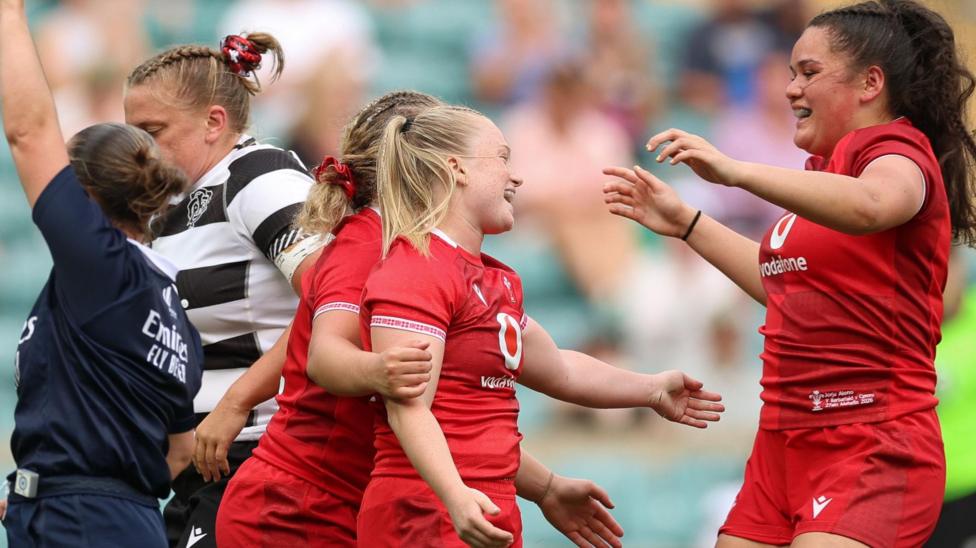
Wales' New Wave Forces Lynn's Hand After Barbarians Statement
Young Welsh talent seized their Barbarians audition and now demand Test selection from boss Sean Lynn.