Wales' New Wave Forces Lynn's Hand After Barbarians Statement
Young Welsh talent seized their Barbarians audition and now demand Test selection from boss Sean Lynn.
The Audition That Changed Everything
Wales don't rebuild quietly. They rebuild loudly, messily, and under a spotlight that never dims. The Principality Stadium demands it.
So when a batch of uncapped and barely-capped Welsh youngsters lined up against the Barbarians, the stakes were higher than any exhibition match should carry. These weren't tourists soaking up the occasion. They were players with a point to prove and a coaching ticket watching every carry, every tackle, every decision under pressure.
Sean Lynn now has a selection headache he didn't anticipate at this stage of his tenure. The young players delivered. They didn't just fill jerseys. They made cases, compelling ones, for genuine Test involvement in the matches that actually count.
Why the Barbarians Fixture Matters More Than You Think
Strip away the carnival atmosphere, the mismatched socks, and the invitation-only mystique. Barbarians fixtures against tier-one nations serve a brutally specific purpose for teams in transition: they are auditions dressed up as entertainment.
For Wales, this particular match carried extra weight. The national side has been grinding through one of its most challenging periods in the professional era. Results have been inconsistent. The depth chart has been stretched thin by retirements, form slumps, and the natural churn that hits every squad cycle.
Lynn needed answers. He got them.
The Barbarians defence is famously loose, yes. The attacking intent is wide open, certainly. But the pressure to perform when your international future hangs in the balance? That doesn't disappear because the opposition is wearing black and white hoops instead of a Six Nations jersey. If anything, the pressure intensifies. Everyone knows what's on the line.
The Deeper Context: Wales at a Crossroads
Welsh rugby has been here before, at these painful intersection points where the old guard fades and the next generation must step forward or the programme stalls.
The regions have struggled for years to produce consistent, high-level talent in the volumes that sustain a competitive international squad. The pathway from age-grade rugby to professional contracts to Test caps has been fractured, underfunded at times, and plagued by the structural dysfunction that has shadowed Welsh rugby's governance.
Yet talent still emerges. It always has. The valleys still produce rugby players with an instinct for the game that coaching academies can refine but never manufacture. What Wales needed was a coaching setup willing to trust youth, and a stage where that trust could be rewarded.
The Barbarians match provided exactly that stage.
What Lynn Saw
Without specific player names in the official post-match briefings, the broader picture is clear: multiple young performers staked legitimate claims. Not one or two fringe hopefuls having tidy cameos. A genuine cohort of next-generation talent putting pressure on established names.
That distinction matters enormously. One breakout performance is a headline. Multiple simultaneous statements across positions suggest something systemic. It suggests the development pipeline is producing, that the coaching at regional and age-grade level is translating, and that the mental resilience required to perform under international-level scrutiny is present in this generation.
Lynn's challenge now is calibration. How many of these young players can realistically be integrated into a Test squad without destabilising the experience spine that competitive international rugby demands? Too many at once and you risk a dressing room losing its anchor points. Too few and you waste the momentum and hunger that freshness brings.
The answer, as it almost always does in elite sport, lies somewhere in selective, strategic integration. Bring the best of the young cohort into the wider squad. Let them train alongside the established names. Give them minutes off the bench. Trust the ones who thrive and don't hesitate to fast-track the exceptional.
The Locker Room Factor
Inside the Wales camp, the dynamic after a Barbarians fixture like this is always fascinating. The established players watch the youngsters perform with a mix of professional respect and acute awareness. Every strong showing from a young pretender is an implicit challenge to someone already in the squad.
That competition is healthy. It's what Lynn needs.
The veterans who have been through multiple Six Nations campaigns and British and Irish Lions tours understand that their places are never guaranteed. But they also know that raw enthusiasm alone doesn't win Test matches. The conversations happening in the hotel corridors and on the training paddock this week will determine who integrates and who waits.
"The young lads have given everything they had out there. That's all you can ask. Now it's about whether they can do it when the stakes are different, when it's a Six Nations opener and 74,000 are on top of you.”
That sentiment, common among senior players in camps like these, captures the gauntlet these youngsters now face. They've passed the first test. The next one is harder.
Historical Parallels
Wales have a rich history of Barbarians fixtures acting as springboards. The match has long served as a proving ground where future Test regulars announce themselves.
Think back to previous transitional periods. Every time Wales have dipped, a new wave has eventually emerged, often first glimpsed in these very types of fixtures. The pattern repeats because the pathway, for all its flaws, does produce players with the right instincts.
The current generation has one advantage their predecessors didn't always enjoy: Lynn's stated commitment to evaluating talent on current form rather than reputation. That philosophical shift opens doors that a more conservative coaching approach would keep shut.
What the Numbers Tell Us
Without specific match statistics from the fixture, the broader trends in Welsh rugby development paint an instructive picture.
- Age-grade investment has increased in recent seasons, with the Welsh Rugby Union channelling more resources into under-20s programmes
- Regional minutes for Welsh-qualified players under 25 have ticked upward, suggesting more opportunities for development at club level
- The talent pool, while still smaller than England or France, has shown green shoots in key positions where depth was previously non-existent
Those structural improvements don't guarantee international success. But they create the conditions where a Barbarians fixture can become a genuine launching pad rather than a forgettable friendly.
What It Means
Lynn's selection for Wales' next meaningful Test matches will tell us everything about how seriously he takes these performances. A token call-up for one or two youngsters is the safe play. A genuine injection of new blood into the wider squad is the bold one.
Wales can't afford safe right now. The programme needs energy, competition, and the fearlessness that only players who haven't been scarred by repeated defeats can bring.
The young players did their part. They showed up against the Barbarians, handled the occasion, and produced the kind of performances that make coaches rethink their plans. The next move belongs to Lynn.
If he backs them, Wales might just have the start of something. If he hesitates, those same players will be watching from their regions, wondering what more they had to do.
The headache is welcome. How Lynn treats it will define the next chapter of Welsh rugby.
Editorial Integrity
This is an original SportPulse article written by our editorial team. All content is independently researched, written, and reviewed by our writers and editors before publication. We do not publish copied, aggregated, or syndicated content.
SportPulse is committed to original sports journalism. Read our editorial policy or contact us with any questions.
More Like This
All long-reads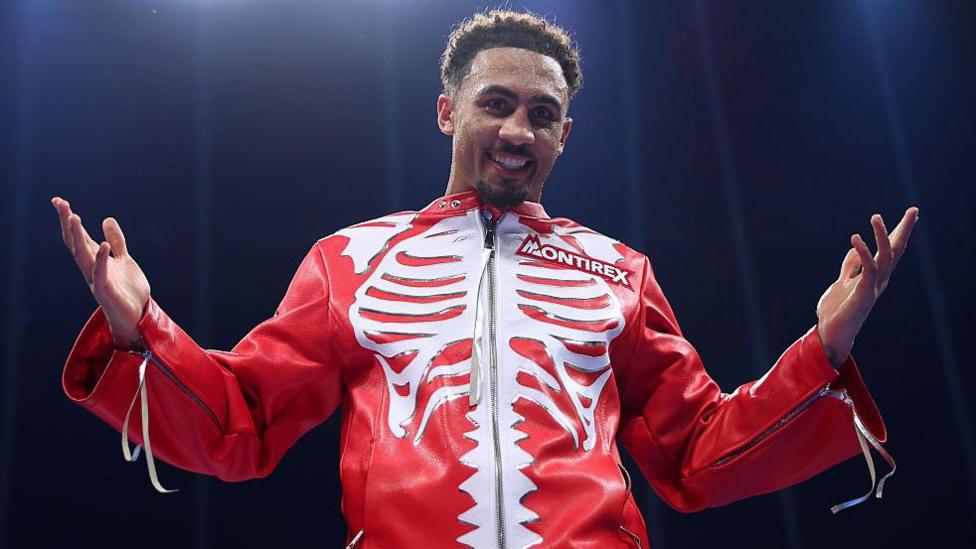
Ben Whittaker's American Dream Is Built on Mayweather Swagger and Sitcom Grit
British light-heavyweight Ben Whittaker is chasing US stardom, drawing inspiration from Floyd Mayweather and Everybody Hates Chris.
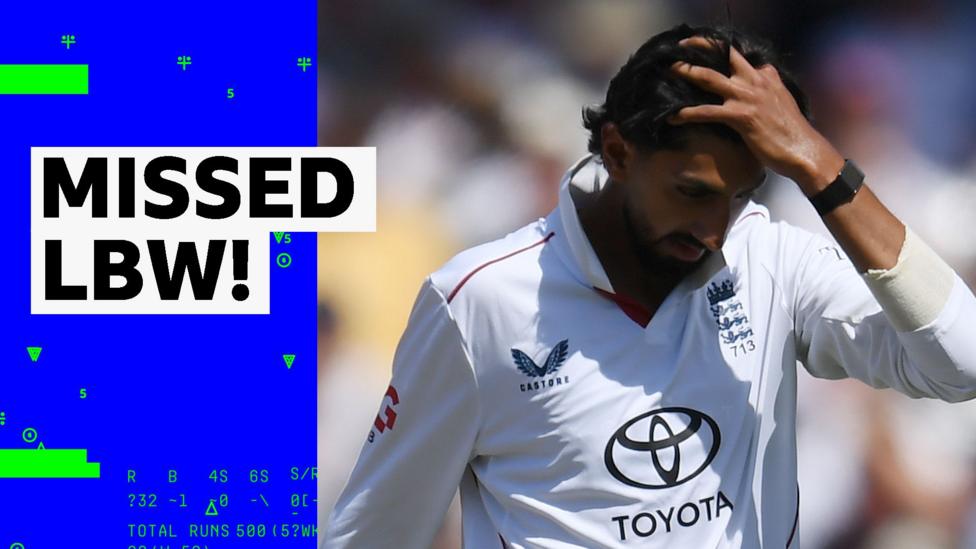
England's DRS Howler Lets Conway Off the Hook
England's failure to review a plumb LBW on Devon Conway handed New Zealand a massive reprieve on a lifeless day of Test cricket.
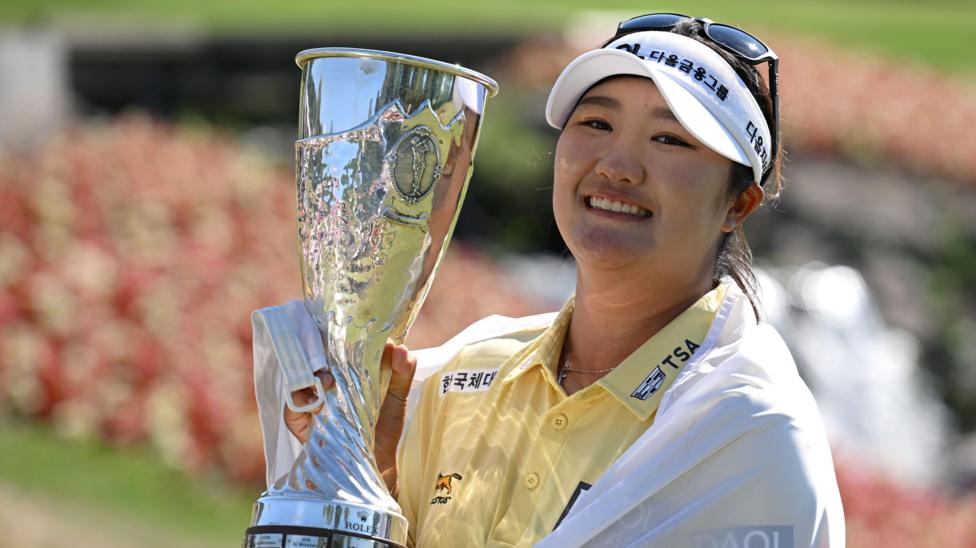
Ryu Stuns Henderson in Evian Playoff For Second Major in Two Weeks
Haeran Ryu defeated Brooke Henderson in a dramatic Evian Championship playoff to capture her second major title in a mere fortnight.