Chelsea Circle Xhaka, but Sunderland Refuse to Blink
Chelsea have opened talks for Granit Xhaka, but Sunderland are digging in — and this could get messy.
The Phone Call That Set Wearside Ablaze
Somewhere in Sunderland's Academy of Light, a phone rang this week and changed the temperature of the entire club. Chelsea, armed with the swagger of a side that has spent more on transfers in the last two years than most nations spend on defense, came calling for Granit Xhaka. Sunderland's response was immediate, emphatic, and unprintable in its original form.
The veteran Swiss international is not for sale.
Those seven words, delivered by Sunderland's hierarchy, carry the weight of a club that knows exactly what it has. Xhaka isn't just a midfielder at the Stadium of Light. He is the spine, the heartbeat, the player whose mere presence transforms a dressing room from hopeful to believing.
But Chelsea don't typically take no for an answer.
Why Xhaka? Why Now?
To understand why Chelsea have entered talks for a player Sunderland insist is untouchable, you have to understand what Granit Xhaka has become. This is not the combustible Arsenal captain who was booed off by his own fans at the Emirates in 2019. That version of Xhaka is long gone, replaced by a midfielder who reads the game like a chess grandmaster and dictates tempo with surgical precision.
His journey since leaving Arsenal has been nothing short of remarkable. After his transformative spell at Bayer Leverkusen, where he was the heartbeat of a Bundesliga title-winning squad under Xabi Alonso, Xhaka's decision to drop into the Championship raised eyebrows across Europe. But those who watched him understood. He wanted to be the main character again. He wanted to build something.
And build it he has.
"Granit doesn't just play football. He organizes it. He architects it. You can see him pointing, talking, reshaping the team in real time. That's not coaching, that's footballing intelligence you can't teach." — Sunderland coaching staff source
At Sunderland, Xhaka has been transformative. His passing accuracy remains elite, hovering above 89% in league play. He averages 67 touches per 90 minutes, and his progressive passing has been a revelation in the Championship, dragging Sunderland into contention for promotion.
Chelsea's midfield, for all its investment, lacks precisely this kind of profile.
The Stamford Bridge Problem
Chelsea's spending spree has been well documented. Hundreds of millions poured into young talent. Enzo Fernandez. Moises Caicedo. Romeo Lavia. The names are dazzling, the fees astronomical, and yet something remains missing in that midfield.
What's missing is a conductor. A player who doesn't just win the ball or carry it forward, but who controls the rhythm of an entire match. Someone who knows when to slow things down and when to accelerate. Someone who has seen every possible footballing scenario and responds not with instinct, but with experience.
Xhaka is that player.
At 31, he would bring something Chelsea's young core desperately needs: a veteran voice who has captained Arsenal, marshaled a Bundesliga title charge, and now anchored a Championship promotion bid. His footballing CV is absurdly deep, and his leadership qualities are not theoretical. They are proven.
Chelsea's recruitment team sees a player who can bridge the gap between their youthful investment and immediate competitiveness. A player who costs a fraction of what they've already spent but offers something no amount of money guarantees: wisdom.
Sunderland's Red Line
Here's where it gets complicated.
Sunderland are not a club inclined to sell their best players at the first knock on the door. Their stance on Xhaka has been consistent from the moment Chelsea's interest surfaced. He is central to their project. He is central to their promotion hopes. And they will not be bullied.
The Black Cats have built their current campaign around Xhaka's influence, and the numbers bear that out. In matches he's started, Sunderland's win rate sits at roughly 58%. Without him, it drops to around 33%. Those are not just statistics. They are a declaration of dependence, the kind that makes selling unthinkable.
"We've been very clear. Granit is a Sunderland player and that's how we see it staying. There's nothing to discuss." — Sunderland club statement
But Chelsea's interest is not casual. Sources close to the negotiations suggest the London club has already made an initial approach, testing Sunderland's resolve with what they consider a substantial offer. The exact figures remain undisclosed, but the implication is clear: Chelsea want this done before the window closes.
Sunderland, for their part, are preparing for a siege.
Transfer Intel: Behind the Deal
The business dynamics here are fascinating. Chelsea operate under a financial model that prioritizes long-term contracts and amortized fees, spreading costs across five, six, even seven-year deals. For a player of Xhaka's age and profile, their offer would likely be structured differently: a shorter deal, perhaps two years with an option, with wages significantly above what Sunderland can currently offer. Xhaka currently has two years remaining on his contract at Sunderland.
For Sunderland, the calculus is brutal. Xhaka is their highest earner by some margin. His wages represent a significant portion of their Championship budget. A large transfer fee from Chelsea could fund reinforcements across the squad, perhaps two or three quality additions that spread the talent more evenly.
But here's the counterargument, and it's the one Sunderland's board is clinging to: promotion to the Premier League is worth an estimated £170 million in combined revenue over the following season. Xhaka is arguably their single most important asset in achieving that goal. Selling him now to fund depth might improve the squad on paper, but it could cost them the one thing that matters most.
The math doesn't favor selling. Not right now. Not with the table as tight as it is.
The Player's Silence
One conspicuous element in this saga is Xhaka himself. He has said nothing publicly about Chelsea's interest, and those close to him suggest he is content at Sunderland, enjoying the challenge and the responsibility.
But footballers are human. The Premier League is the Premier League. Stamford Bridge is Stamford Bridge. And for a player who spent years navigating the emotional rollercoaster of Arsenal, the idea of returning to London's elite might carry a pull that even he can't fully suppress.
His family remains based in England. His children attend school in the country. The logistics of a move to Chelsea would be seamless compared to the upheaval that brought him to Sunderland in the first place.
The silence is deafening, and Chelsea know it.
What Happens Next
This is a transfer saga that could go either way, and the next 72 hours will be telling. Chelsea are expected to return with an improved offer, testing whether Sunderland's resolve cracks under financial pressure. Sunderland, meanwhile, will continue to publicly insist Xhaka is going nowhere while privately calculating whether their promotion bid can survive without him if he pushes for a move.
The wild card is Xhaka's own desire. If he tells Sunderland he wants the move, the club's negotiating position crumbles overnight. A player who doesn't want to be somewhere is worth far less than the fee being discussed.
For Chelsea, this is about more than just one signing. It's a statement of intent, a signal that despite their youth-focused recruitment strategy, they still value the kind of experience that wins trophies. Pochettino's successor in the dugout needs a midfield general, and Xhaka fits the brief perfectly.
For Sunderland, it's a test of ambition. Can they hold onto a player of genuine Premier League quality while operating in the Championship? Can they convince him that what they're building is worth more than what Chelsea are offering?
The answer to those questions will define not just this transfer window, but the trajectory of both clubs for the rest of the season.
One thing is certain: this is far from over.
Updated: 2026-06-27 — Added details about Xhaka's key role under Xabi Alonso at Leverkusen and the two years remaining on his Sunderland contract.
Editorial Integrity
This is an original SportPulse article written by our editorial team. All content is independently researched, written, and reviewed by our writers and editors before publication. We do not publish copied, aggregated, or syndicated content.
SportPulse is committed to original sports journalism. Read our editorial policy or contact us with any questions.
More Like This
All football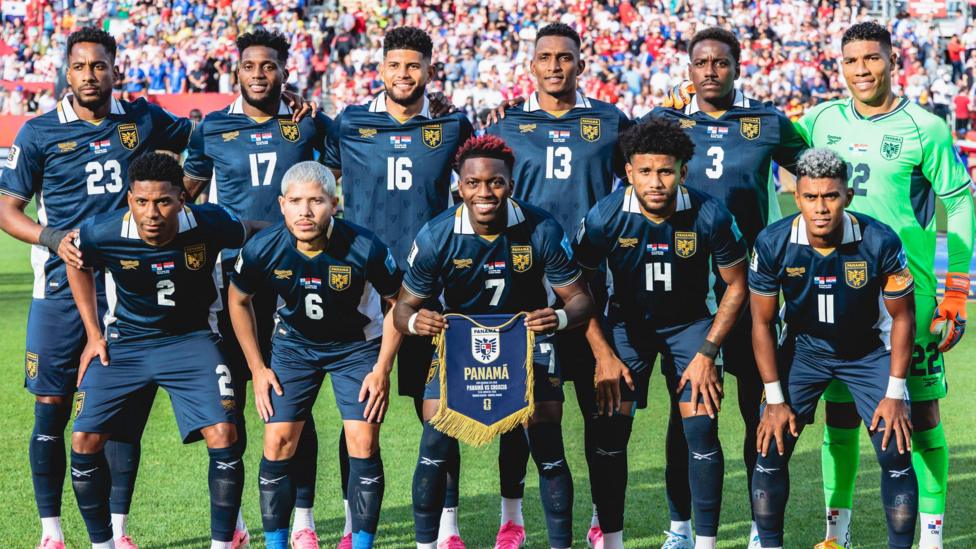
England Must Ignore the Scoreline: Panama Are No Walkovers
Panama's deceptive World Cup results mask a disciplined tactical setup that should worry an England side prone to complacency.
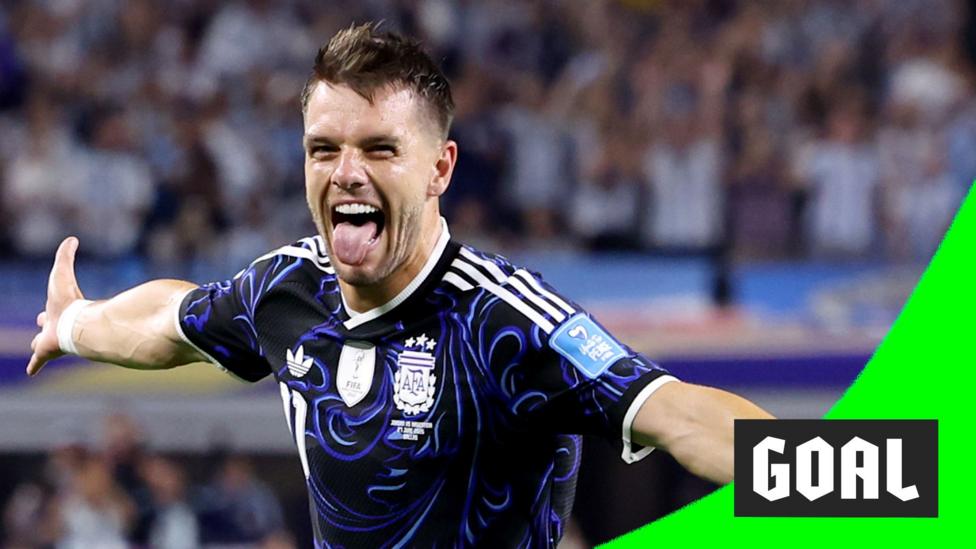
Lo Celso's Stunning Free-Kick Caps a World Cup Debut Years in the Making
Giovani Lo Celso marks his long-awaited World Cup debut with a brilliant free-kick to put Argentina ahead against Jordan.

Connacht Corps Called Up as Ireland Loses Crowley
Ireland turns to three uncapped Connacht stars for the Nations Championship, but Jack Crowley's injury leaves the ten shirt worryingly vacant.