Chris Vui Banned Until 2027: A Career in Freefall
Former Bristol Bears lock Chris Vui faces a doping ban until July 2027, leaving his rugby career in tatters.
The Hammer Falls
Chris Vui is devastated. That is the word the former Bristol Bears lock uses himself, and it barely scratches the surface of what a doping ban until July 2027 means for a professional athlete staring down the twilight of a career.
A ban stretching that far into the future is not a suspension. It is an excommunication from the sport you have built your identity around. For a player who once captained Samoa on the world stage, the punishment carries English rugby's heaviest weight.
Vui has not accepted the verdict quietly. The violation is contested, which means somewhere between the test tube and the tribunal, there is a story still being fought over. But the paperwork is signed, and the clock has started ticking.
What Led to This Point
Vui's career trajectory was once the kind rugby documentaries highlight. Born in New Zealand, he built his reputation in the English Premiership with Bristol Bears, a physical and vocal presence in the second row.
He earned over 30 caps for Samoa and wore the armband at Rugby World Cup tournaments, a rare honor that cemented his standing in the global game.
At Bristol, under Pat Lam's guidance, Vui was part of the rebuilding project that turned the Bears into a competitive force.
The terms of the doping violation have not been laid bare in full public view, but the contested nature suggests a complex case. These matters rarely hinge on simplicity.
Whether the positive test resulted from a contaminated supplement, a procedural error, or something more direct, the tribunal has ruled. Vui's maintenance of innocence, however, sets up potential appeals and prolonged legal battles.
The July 2027 Problem
A ban lasting until July 2027 removes Vui from competitive rugby for a staggering chunk of time.
When the suspension lifts, Vui will be deep into his thirties. That is unforgiving territory for a lock forward whose game relies on physical dominance and set-piece precision.
The financial implications are severe. Professional contracts vanish overnight when a doping ban is confirmed. No club will commit resources to a player embroiled in an anti-doping case, regardless of intent.
Sponsorships and commercial partnerships follow the same pattern. Brands distance themselves quietly, through contract clauses and mutual agreement.
The mental health toll on athletes hit with long-term suspensions is well-documented and devastating.
Consider what Vui loses in tangible terms. Training ground banter, weekly match preparation, the adrenaline of a Saturday afternoon in front of thousands of paying fans. All gone.
The Anti-Doping Landscape
Rugby's anti-doping framework mirrors that of many elite sports, operating under the World Anti-Doping Agency (WADA) umbrella.
Strict liability is the governing principle. If a banned substance enters your body, you are responsible, regardless of how it got there. That standard leaves little room for sympathy from tribunals.
The contested nature of Vui's case suggests his legal team identified mitigating factors or procedural gaps somewhere in the process.
Contaminated supplements are the most common defense, and successful cases have reduced bans significantly. However, the July 2027 end date indicates the tribunal did not find enough evidence to warrant substantial leniency.
Life After the Verdict
For now, Vui exists in a strange administrative space. He is not retired, so he cannot transition into coaching or media work tied to a playing contract.
He cannot train with a professional squad. He cannot access club facilities. The insurance policies that protect athletes during their careers lapse.
The locker room scene, in those final hours after the verdict, is always the same. A staged mess of emotions. Silence when you walk in. Headphones on, eyes down. Then the brief handshake ritual.
Players whisper about the appeal process, the contaminated supplement theory, whether there was negligence on someone else's part. The departing athlete packs his kit bag with the same mechanical precision he has used a thousand times.
Senior players exchange glances. Younger squad members retreat to their phones, scrolling through messages from friends who have just seen the news.
Vui's departure from that environment would have followed a familiar, brutal script.
The Broader Game
Rugby union has not faced a high-profile doping epidemic, but the cases that do emerge send shockwaves through the community.
The sport markets itself on brutal physicality, and that creates an environment where the temptation to seek marginal gains through chemical means could theoretically thrive.
Anti-doping authorities use high-profile cases as deterrents. A ban lasting until 2027 serves that purpose effectively, regardless of intent.
For Bristol Bears, the departure represents the end of a significant chapter in their recent history.
The financial structure of his contract would have included provisions for such scenarios, but the practical impact of losing a senior player mid-season is significant.
The squad must adapt without the book closing on the matter.
What It Means
The most immediate casualty is the player. Vui's devastated reaction reflects a human being confronting the destruction of something he has worked toward since childhood.
The precedent for overturned重大的 doping bans on appeal is limited but not nonexistent. If Vui's legal team can produce new evidence or prove procedural irregularities, the July 2027 date could shift.
For the rugby community, this serves as another reminder of the consequences when anti-doping protocols and professional careers collide.
A ban until July 2027 is a lifetime in professional sport.
Whether Chris Vui ever plays competitive rugby again may depend on factors that go beyond the length of the suspension. Physical conditioning, mental resilience, and the willingness of a club to invest in a player carrying such baggage will all factor into the next chapter of a once-promising story.
The contested nature of the violation leaves the door slightly open for appeal. But for now, the verdict stands, and the silence at the end of the phone line is the only concrete reality.
Editorial Integrity
This is an original SportPulse article written by our editorial team. All content is independently researched, written, and reviewed by our writers and editors before publication. We do not publish copied, aggregated, or syndicated content.
SportPulse is committed to original sports journalism. Read our editorial policy or contact us with any questions.
More Like This
All long-reads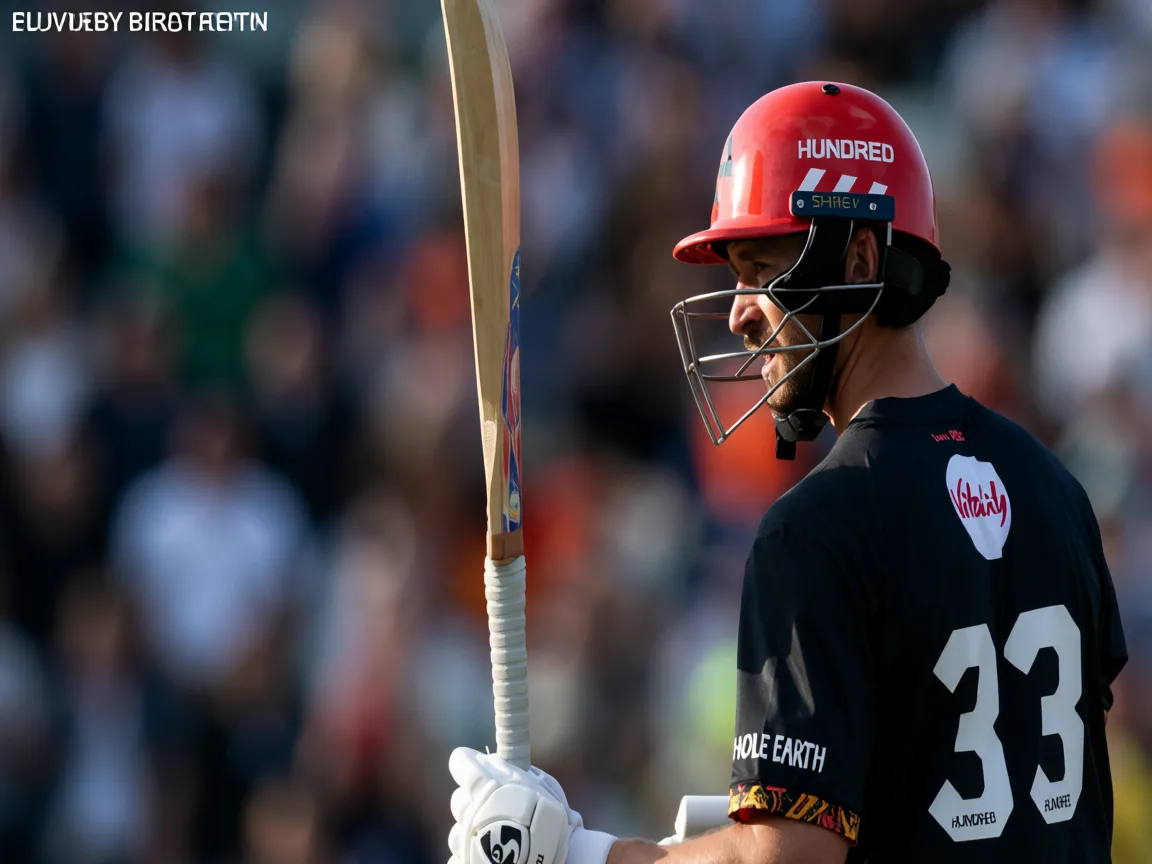
Clarke's Blistering 68 Ignites Birmingham Phoenix's Hundred Campaign
Joe Clarke attacked every Trent Rockets bowler at Edgbaston, powering Phoenix to a statement opening win in The Hundred.

Eden Park Brutality Exposes Ireland's Tier One Crisis
Six consecutive losses to rugby's elite confirm Ireland have hit a wall near the sport's summit.
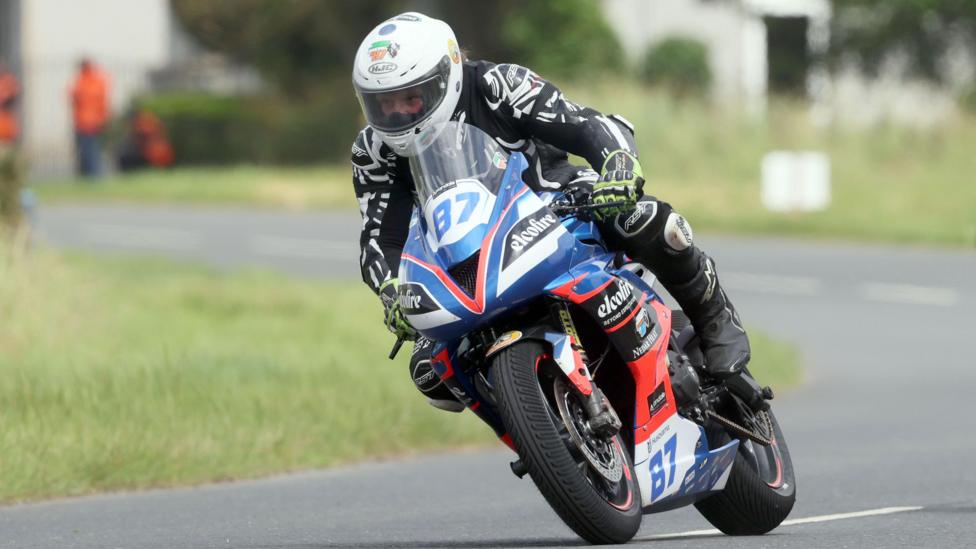
Tandragee 100 Claims James Walsh: Road Racing Reckons With Itself Again
Another Saturday of petrol andion courage ends in grief as Irish rider James Walsh loses his life at the Tandragee 100.