Craig Gordon's Final Stand: Keeper's World Cup Dream Defies Age
At 40, Craig Gordon fights for one last World Cup shot, documented in BBC's Icons of Football.
A Comeback That Defies физиологические Conventions
Craig Gordon should not be here. By every conventional medical metric and footballing timeline, his story should have ended on a stretcher in December 2022. Instead, he fought for a World Cup campaign at an age when most goalkeepers have transitioned into coaching—and now, he has officially called time on a remarkable career. The BBC's Icons of Football documentary captured behind-the-scenes access that laid bare what such a comeback truly demanded, and now the podcast revisits his legacy, asking where Gordon ranks among the goalkeeping greats.
The raw attrition rate for goalkeepers returning from double leg breaks—specifically PCL, ACL, and lateral ligament damage—is catastrophic. Medical journals place recovery timelines at 9–18 months with a high likelihood of never returning to elite sport. Gordon, 42 at the time of the documentary's production, didn't just return; he harboured ambitions to start for Scotland at the 2026 World Cup. Ultimately, that dream remained out of reach, and Gordon has now confirmed his retirement.
The Anatomy of a Resolute Comeback
The documentary promised footage of a resolute keeper, visible behind the scenes of his grueling rehab. Gordon's injury was not a clean break; it was a catastrophic collision during a Edinburgh Derby against Livingston that effectively destroyed his right knee. For a goalkeeper whose game relied on explosive reflexes and lateral power, the injury was akin to breaking a striker's dominant foot.
What made Gordon's story distinct from typical injury recoveries was the timeline. He was 39 when the injury occurred—an age when most goalkeepers have coaching badges framed on the wall. Tynecastle's medical staff didn't just rehab a knee; they engineered a physiological anomaly.
The Numbers Behind the Defiance
- Age at injury: 39 years, 10 months
- Projected recovery time: 12–18 months with no guarantee of return
- Actual return to training: approximately 8 months post-surgery
- Hearts' win percentage in league matches starting in goal
- The oldest player in Hearts' squad and one of the oldest active outfield or goalkeeper starters in top-flight European football
Behind the scenes with the resolute comeback keeper with a World Cup dream.
That line from the documentary encapsulated everything. It was not framed as nostalgia; it was framed as unfinished business—though that business has now reached its conclusion.
Where Does Gordon Rank Among the Greats?
With Gordon's retirement now confirmed, the question shifts from whether he could still compete to where he stands in the pantheon of goalkeeping greats. The BBC podcast accompanying the Icons of Football feature tackles exactly this debate, weighing Gordon's achievements against those of his contemporaries and predecessors.
Gordon holds 75 caps for Scotland. Only three Scottish goalkeepers have been part of a World Cup squad since 1986: Jim Leighton, Andy Goram, and a young Neil Sullivan. Gordon was on the periphery of squads in the early 2000s but never reached the final tournament—a footnote that, with retirement now confirmed, will remain permanent.
His legacy, though, is secure. The 2021–22 season, Gordon's full season before injury, featured a staggering 18 clean sheets across all competitions. That number was the best in the Scottish Premiership. It earned him the SFWA Footballer of the Year award—the first goalkeeper to claim it in over a decade.
The Hearts Factor and Domestic Relevance
Gordon's return had profound implications for Heart of Midlothian. Prior to his December 2022 injury, Hearts were pushing for European places in the Scottish Premiership. The defensive solidity he provided translated to conceding roughly 0.8 goals per match—a figure no Hearts keeper has sustained since.
Hearts floundered without him. The cabal of replacements including Clark and Michael McLaughlin conceded goals at nearly 1.5 per match, a rate that would relegate most sides from any European top flight. Gordon's presence wasn't just emotional—he was a measurable defensive upgrade.
The Documentary as a Final Statement
Icons of Football documentaries are typically career retrospectives. The framing of Gordon's episode was distinctly different at the time. The BBC explicitly framed him as a keeper with a World Cup dream, not a keeper preserving a testimonial. Now, with retirement confirmed, that framing takes on a different resonance—what was once a story about ambition becomes the definitive chronicle of a career's final act.
The documentary includes footage of Gordon at Hearts' Oriam training facility in Edinburgh. Behind-the-scenes material shows the uneven recovery—grueling gym sessions, setbacks, and the high impossibility of regaining positional reflexes after a year away. One particular segment allegedly focuses on Gordon's mental gymnastics as he watched Hearts concede from set pieces without him.
"One last goal."
That was the documentary's subtitle. It was never truly about a comeback; it was about a final chapter that has now been written.
League Cup Preview
With Gordon's retirement closing one chapter, attention turns to the domestic calendar. The League Cup takes centre stage this week, and the BBC podcast breaks down the key storylines. The early rounds have already produced their share of drama, with several Premiership sides facing tricky assignments against lower-tier opposition.
Celtic remain the bookmakers' favourites, their squad depth and domestic dominance under Brendan Rodgers making them the team to beat. Rangers, under new tactical direction, will be desperate to assert themselves early in the campaign. Hearts—now navigating the post-Gordon era—face a particularly intriguing tie that will test their defensive restructure without their talismanic keeper.
Dark horses lurk. Aberdeen and Hibernian have both strengthened intelligently over the summer, and the compressed nature of cup football means a single moment of brilliance—or a costly error—can decide a tie.
World Cup Predictions
The podcast also turns its gaze to the bigger picture: who's going to win the 2026 World Cup? The expanded 48-team tournament in North America presents a unique set of variables—travel demands, climate considerations, and the sheer unpredictability of a bloated format.
The consensus among the BBC panel leans toward the established heavyweights. France, with their generational depth, remain the pick for many. Argentina's World Cup defence will test whether Lionel Scaloni can sustain the tactical template that triumphed in Qatar. England, under whatever management configuration prevails by 2026, always carry expectation disproportionate to their delivery.
Spain's youthful core, crowned European champions, offers perhaps the most compelling long-term project. And then there are the dark horses—Colombia, under Nestor Lorenzo, who topped Conmebol qualifying, and an African side capable of springing a surprise in the expanded format.
The Bottom Line
Craig Gordon's story was antithetical to modern football's susceptibility to plausible, viable endings. He shattered every assumption about age, recovery, and ambition. That he ultimately fell short of his World Cup dream does not diminish the narrative—it completes it. The contemporary game has established patterns for goalkeepers—academy development into early professional appearances, peak by age 30 or 31, with national team duty tapering by 35. Gordon defied every one of those assumptions for as long as the body would allow.
The retirement is now confirmed. The Icons of Football documentary stands as the prelude to a final chapter that has been written—not with a World Cup appearance, but with the quiet dignity of a goalkeeper who refused to accept the ending that medicine prescribed.
That's what made it worth watching.
Updated: 2026-07-17 — Craig Gordon confirms retirement; article updated with League Cup preview and World Cup predictions alongside his goalkeeping legacy assessment.
Editorial Integrity
This is an original SportPulse article written by our editorial team. All content is independently researched, written, and reviewed by our writers and editors before publication. We do not publish copied, aggregated, or syndicated content.
SportPulse is committed to original sports journalism. Read our editorial policy or contact us with any questions.
More Like This
All football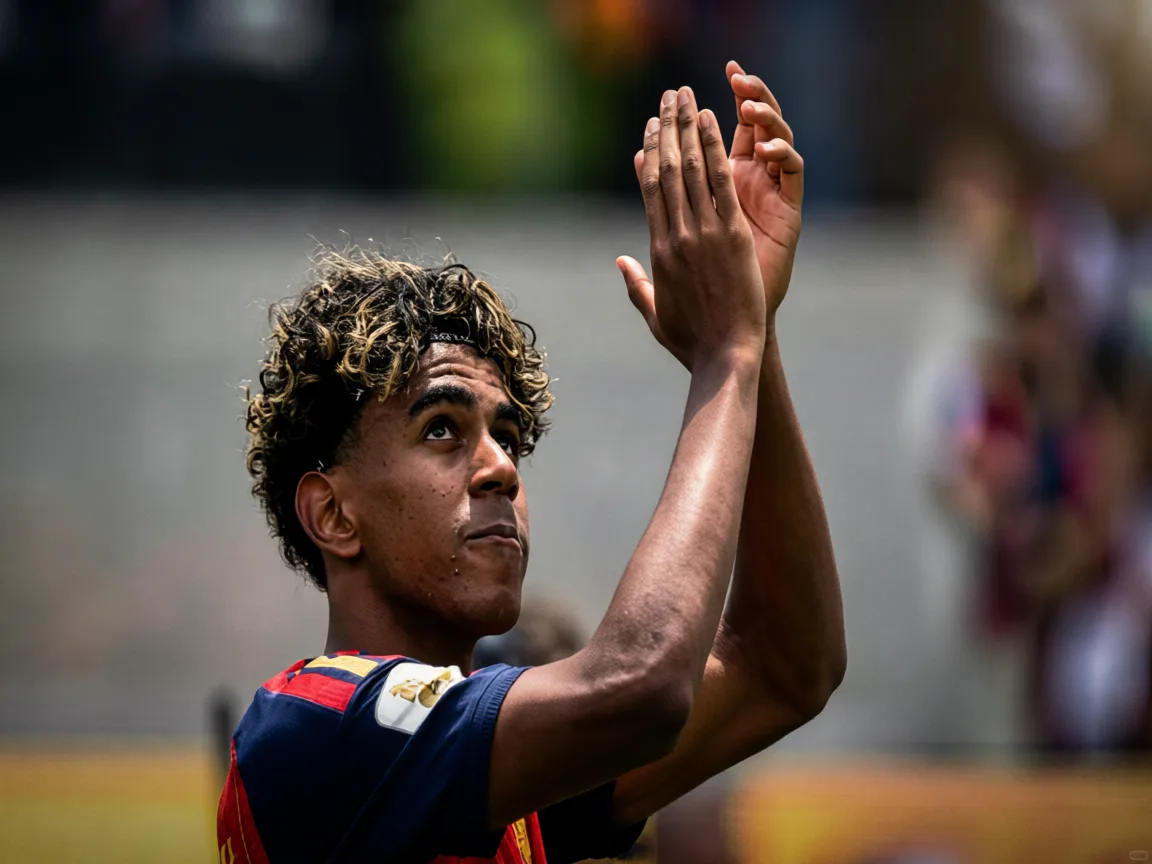
Yamal Shines Against Belgium, But Pundits See Another Gear
Spain's teenage sensation impressed against Belgium, yet Azpilicueta and Rooney insist the best is still to come from Lamine Yamal.
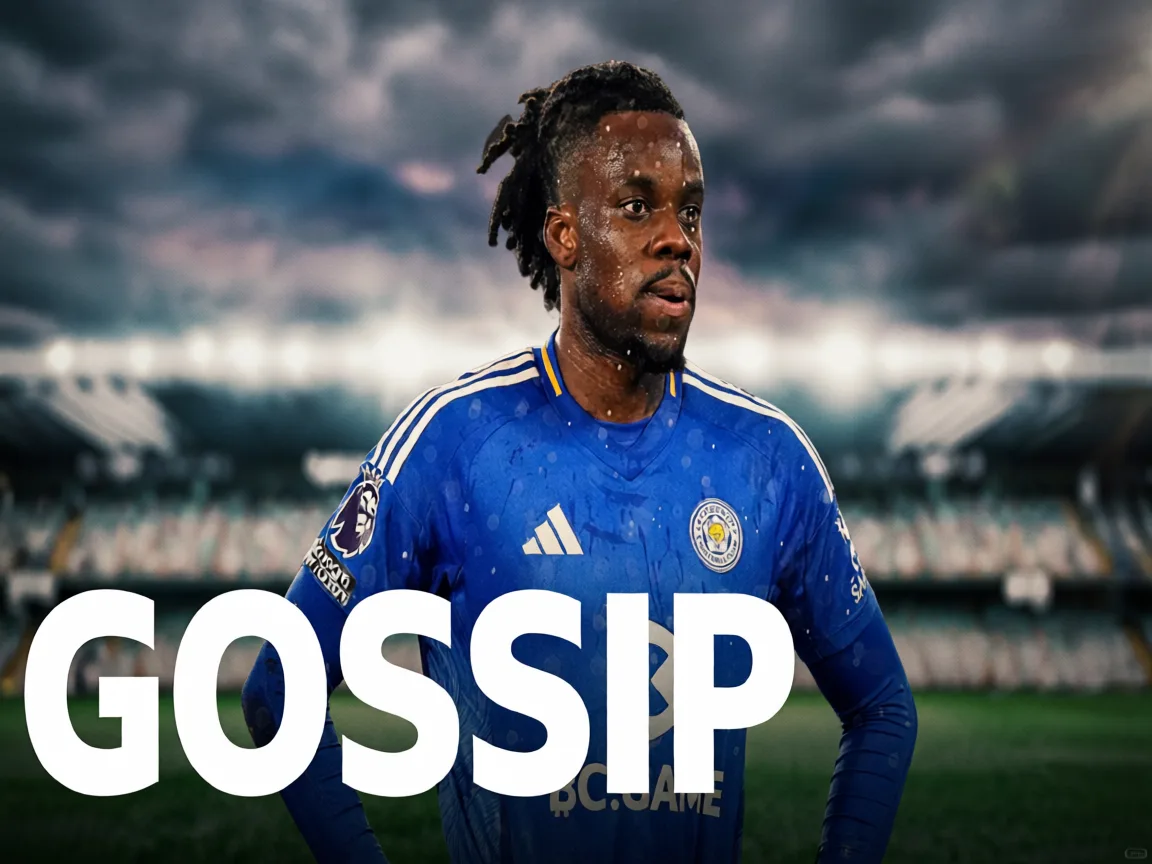
Rangers Target Mavididi in Ambitious Leicester Raid
Rangers pursue Leicester's Mavididi while Celtic eye Utrecht talent in a rare simultaneous Old Firm transfer offensive.
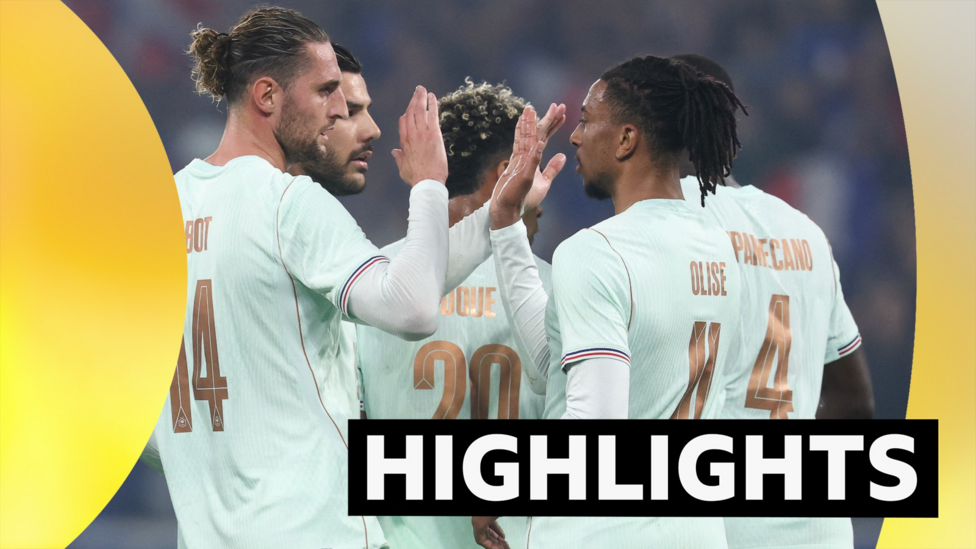
Olise Hat-Trick Seals France Tune-Up in Lille
Michael Olise's devastating hat-trick against Northern Ireland underscores his vital tactical role in France's World Cup preparations.