Yamal Shines Against Belgium, But Pundits See Another Gear
Spain's teenage sensation impressed against Belgium, yet Azpilicueta and Rooney insist the best is still to come from Lamine Yamal.
A Glimpse of Greatness
Lamine Yamal turned in another electric performance for Spain against Belgium, thrilling the crowd and terrorizing defenders with his fearless dribbling and incisive passing. The 17-year-old continues to play with a maturity that eludes players a decade his senior, reading the game like a seasoned veteran while maintaining the daring instincts of youth. Every time he touched the ball, there was a sense that something dangerous might unfold, and more often than not, it did.
Yet despite the obvious quality on display, two men who know a thing or two about performing on football's biggest stages believe we are still watching the opening chapters of what could become an extraordinary career. Cesar Azpilicueta and Wayne Rooney, both working as BBC Sport World Cup pundits, studied Yamal's display closely and arrived at a tantalizing conclusion: there is significantly more to come.
That verdict might sound greedy given everything Yamal has already accomplished at such a tender age, but it reflects a profound truth about the nature of player development and sustained excellence. The]Spanish winger is already influential, but the version of him that tournament football might eventually unlock could be altogether more devastating for Spain's opponents.
What the Numbers Say
- Yamal became the youngest player to appear at a European Championship in 2024, breaking a record previously held by Lamine's Barcelona teammate
- He registered 4 assists at Euro 2024, the most by any teenager in the tournament's history
- Barcelona handed him 13 goal contributions in a breakthrough La Liga campaign that cemented his place in Hansi Flick's plans
- His successful dribble rate has consistently ranked among the highest in Europe's top five leagues this season
Decoding the Belgium Performance
Against Belgium, Yamal was deployed in his favored right-sided role, where he could cut inside onto his left foot and orchestrate attacks rather than simply hug the touchline. It is a positional nuance that flatters his game, allowing him to function as a hybrid winger-playmaker who drifts into pockets of space between full-back and center-back, creating passing angles and overloads that defenses struggle to track.
The Belgians tried multiple approaches to contain him, deploying double-teams and physical intimidation tactics that are commonly used against young, slight-framed wingers. Yamal responded with a blend of close-control dribbling and intelligent off-the-ball movement that demonstrated he is learning to cope with the rougher side of international football. He drew fouls in dangerous areas, linked play with midfield runners, and consistently made the right decision about when to accelerate and when to recycle possession.
What struck the watching pundits most was not what Yamal did with the ball, but the moments when he chose restraint over recklessness. Young wingers often fall in love with the spectacular, attempting impossible dribbles when a simple pass would suffice. Yamal showed flashes of that youthful exuberance, but they were balanced by an awareness of structure and team shape that spoke to top-level coaching and a football IQ far beyond his years.
Azpilicueta's Tactical Read
Azpilicueta, who spent over a decade in English football with Chelsea and earned over 40 caps for Spain, could relate to Yamal's experience of breaking into the national team setup as a young player facing established stars. His assessment was grounded in the practical realities of international tournament football, where margins are razor-thin and every decision is magnified under intense scrutiny.
"He's so influential for a player his age. But I've seen this before with young players who burst onto the scene. The challenge isn't getting to the top, it's staying there and then pushing even higher. Lamine has the talent, but there's more to give. He'll know that himself."
The former Chelsea defender pointed specifically to Yamal's decision-making in transition moments, those split-second choices about when to release the ball that separate good wingers from generational ones. Against top-tier international opposition, the windows to execute pass or shot close a beat faster than at club level, and adapting to that rhythm is a process even the most gifted teenagers must navigate through experience.
Rooney's Perspective on Rising Standards
Wayne Rooney knows the weight of expectation that accompanies extreme teenage precocity better than almost anyone in the modern game. He burst onto the Premier League scene at 16, became England's youngest goalscorer, and carried the hopes of a nation into major tournaments before he could legally order a pint in some countries. His perspective on Yamal carries the weight of lived experience, not just analytical observation.
Rooney watched Yamal's movement off the ball and saw a player still figuring out the optimal balance between individual brilliance and collective responsibility. There were moments against Belgium where a more experienced wide player might have made a decoy run to pull a defender out of position, creating space for a teammate rather than demanding the ball in a congested area. These are the marginal gains that accumulate over years at the elite level, and they represent the gap between Yamal's current devastating form and the still higher ceiling that both pundits envision.
The Locker Room View
Inside the Spain dressing room after the Belgium match, the atmosphere carried a blend of satisfaction and quiet hunger that has become characteristic of this group under Luis de la Fuente. Players slapped Yamal on the back as he exchanged his boots, the teenage winger sharing a joke with midfield partner Pedri that spoke to the easy rapport within the squad. The coaching staff huddled near the tactics board, already reviewing clips on a tablet, their expressions suggesting they had identified the same gaps in Yamal's game that the television pundits later highlighted.
De la Fuente addressed the room briefly, his message clear and measured: the performance was encouraging, but the details would decide whether Spain fulfilled their potential in the tournament. Yamal listened intently, leaning forward with his elbows on his knees, the body language of a young player who understands that praise is temporary and standards are permanent.
What the Staff Saw Differently
Spain's analysts will have noted several phases of the Belgium match where Yamal's positioning drifted from the planned structure, particularly when Spain were defending deep and transitioning to attack. The coaching staff value his improvisation, but they want him to recognize the moments when sticking to the tactical script creates better opportunities down the line than a solo adventure. It is a delicate balance that the best wingers in history have eventually mastered, the tension between instinct and instruction.
There were also physical considerations. Tournament football compresses recovery time, and managing the workload of a teenager whose body is still developing adds complexity for Spain's sports science team. Against Belgium, there were signs of fatigue in the final twenty minutes, with Yamal's sprint output dropping and his pressing intensity waning. These are not flaws but realities, and they factor into the staff's strategic planning for the tournament's later stages.
What's Next for Yamal
Spain's tournament path will test every dimension of Yamal's game against varying tactical profiles and physical demands. The knockout stages, should Spain progress, bring a level of intensity and risk-reward calculation that group-stage football cannot replicate. That is precisely the environment where the lessons from matches like the Belgium fixture compound into genuine advancement.
For Yamal, the trajectory is unmistakably upward, but the rate of ascent depends on how quickly he internalizes the subtleties that Azpilicueta and Rooney identified. Both men have watched prodigies soar and stall, and their verdict that Spain's most exciting talent has more to give should be heard as a promise rather than a complaint.
The football world has seen Yamal's ceiling, and it is spectacular. What the watching pundits suggested, with the authority of men who have lived that journey, is that the ceiling might still be moving.
What It Means
Yamal's performance against Belgium confirmed his status as one of football's most exciting young talents, but the reactions from Azpilicueta and Rooney frame a larger truth: his story is still being written. For Spain, the implication is profound. If this version of Yamal can terrorize international defenses, the improved version that tournament experience will forge becomes a tournament-defining asset. For opponents, the warning is stark. The player they faced against Belgium is not the player they will face when the stakes are highest.
Editorial Integrity
This is an original SportPulse article written by our editorial team. All content is independently researched, written, and reviewed by our writers and editors before publication. We do not publish copied, aggregated, or syndicated content.
SportPulse is committed to original sports journalism. Read our editorial policy or contact us with any questions.
More Like This
All football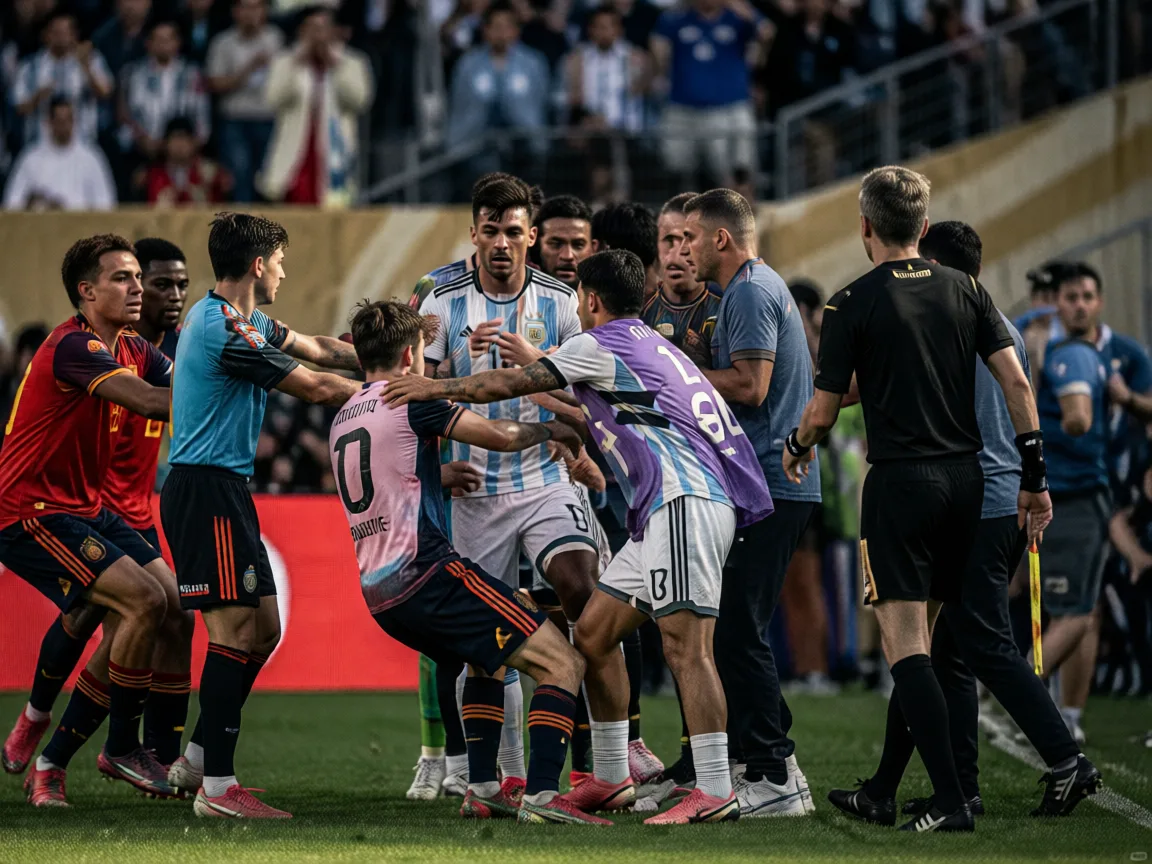
Argentina's World Cup Final Meltdown Shames Messi's Legacy
Spain conquered the World Cup but Argentina's post-match violence stole the headlines, turning a coronation into a controversy.
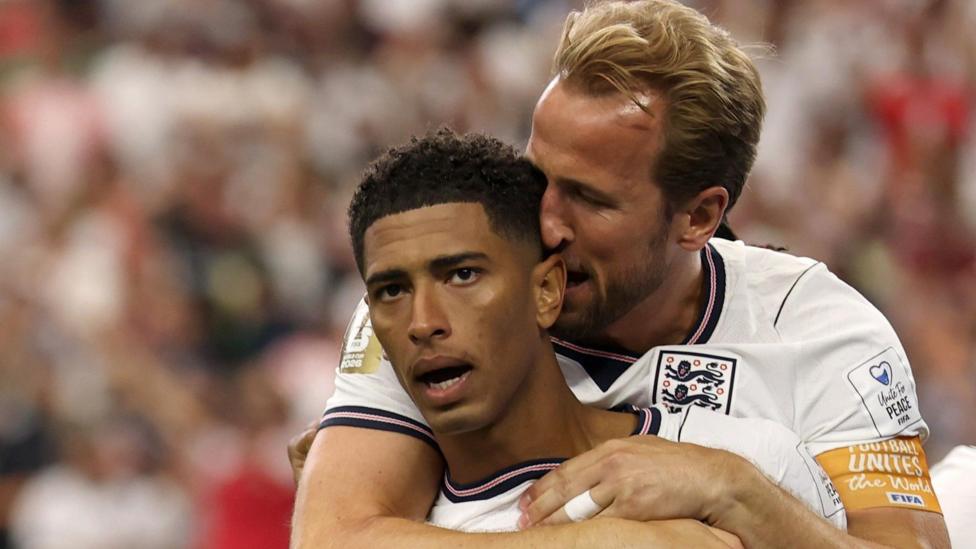
Bellingham Turns Doubt Into Fuel as England's Tactical Puzzle Takes Shape
Jude Bellingham believes external criticism of his England role could unlock his best form at the World Cup.
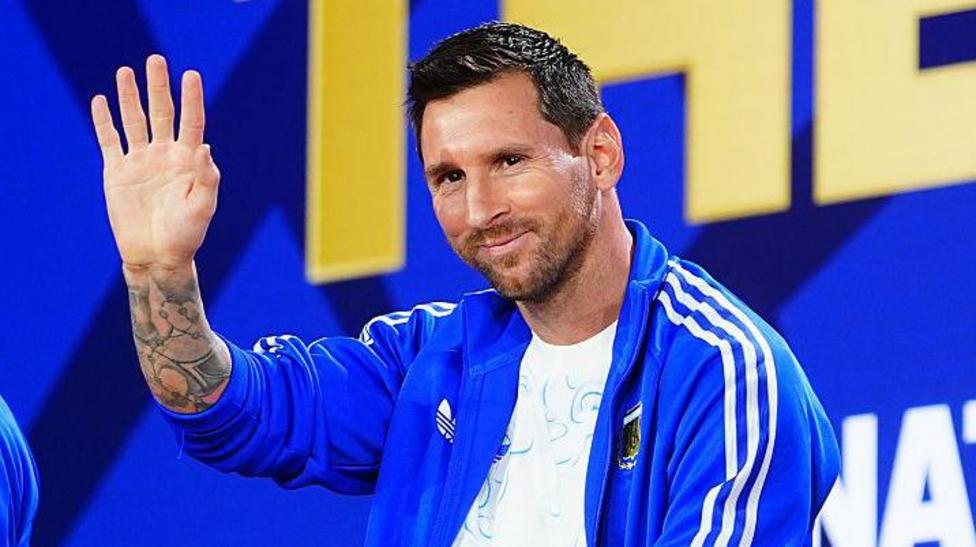
Messi vs Yamal: The Photo That Foretold a World Cup Final
A baby in Messi's arms becomes his World Cup final opponent. Football's most prophetic photo explained.