Croke Park Braces for Hurling Semi-Final Weekend of Reckoning
The All-Ireland SHC semi-finals descend on Croke Park this weekend with provincial glory proving a deceptive predictor of September success.
The air in Dublin carries a distinct electricity this weekend. Croke Park, that colossal cathedral of Irish sport, opens its gates for the All-Ireland Senior Hurling Championship semi-finals.
Two matches. Survive, and you earn the right to contest for the Liam MacCarthy Cup. Lose, and an entire season's ambition evaporates into the summer sky.
"There is no hiding place at Croke Park in July. Every loose ball, every decision, and every wide ball is magnified. This is where seasons are defined."
It is the theater of the absurd and the sublime, a sport that balancesKnife-edge moments of individual brilliance with a collective physical attrition that leaves nothing in the tank.
The Provincial Paradox
The road to these semi-finals has never been more contested. The introduction of the provincial round-robin format has fundamentally reshaped the landscape of championship hurling. No longer can teams ease their way into the summer.
We are now seeing a physically exacting campaign where the same elite counties inevitably surge to the top. The Munster Championship consistently chews up and spits out All-Ireland contenders before June has even concluded. Leinster, meanwhile, produces its own brand of tactical warfare, leaving teams battle-hardened but deeply bruised.
The modern semi-final weekend is characterized by survivor's psychology. The teams emerging from the provincials are often operating on sheer adrenaline, carrying underlying knocks, and leaning on heavily rotated panels.
The Venue That Devours
Croke Park is not merely a venue. For hurlers, it is a psychological examination of 82,300 sprawling seats. It exposes any hidden fragility.
The dimensions of the pitch demand a terrifying aerobic capacity. A winger tracking back finds the Cusack Stand an eternity away. The space stretches teams who fail to move the ball with ruthless economy.
- 82,300 capacity, creating an acoustic cauldron
- 145 metres long, demanding elite tactical endurance
- 88 metres wide, stretching defensive systems to the absolute limit
For a forward, the expansive arena offers the room to dismantle an overly cautious defense. For a half-back line unfamiliar with the venue's unique wind patterns, it can completely distort their puck-out strategy.
Building the Drama
But what truly sets this weekend apart is the relentless tension that builds before a sliotar is even struck. Championship hurling at this stage is less about pure talent and far more about execution and nerve.
The semi-finals historically favor the team that manages the occasion rather than the team with the most technically gifted forward line. Physical dominance, measured in turnovers and aerial duals won, frequently dictates the entire tempo.
"You can design all the tactical game plans you want, but when the ball is tossed in at Croke Park, pure physical intent takes over."
We have seen modern champions built on the foundational rock of a hook-and-block regime. The modern elite team averages more than 15 blocks and an astonishing 20 hooks per championship game. These are not just defensive actions; they act as a powerful emotional bellows, igniting the crowd and deflating the opponent.
Behind the Deal: The Logistical Operation
Behind the curtain of this sporting drama lies an operational marvel. Hosting back-to-back semi-finals at Croke Park requires a deployment of resources that rivals a small national event.
- €40 million estimated economic boost to the Dublin hospitality sector across the weekend
- Upwards of 120,000 fans filtering through the capital across two days
- An additional 3,500 security and match-day personnel deployed across the stadium
The GAA's commercial machinery is a critical engine here. Ticket revenue, corporate hospitality, and broadcast agreements underpin the financial health of the association. A competitive, high-stakes semi-final weekend guarantees maximum visibility for primary sponsors, ensuring their backing remains lucrative and deeply embedded.
Tactical Battlegrounds
What can we expect from the tactical chessboard this weekend? The trends of the modern SHC are stark. The traditional role of the goalkeeper has shifted from shot-stopper to primary playmaker.
Puck-out strategy is the modern game's most crucial frontier. Long, boom deliveries are heavily punished, intercepted by modern defensive umbrella systems. The focus is on short, retention-based puck-outs, designed to bypass the opposition's primary press.
Expect to see heavy numerical stacking in the middle third. Elite sides will drop an extra forward deep into the half-back line, creating an overload designed to break the lines quickly.
The Numbers Say
- 0.75 points conceded per minute when intense press is successfully beaten
- Average winning margin in recent SHC semi-finals: 4.2 points, highlighting razor-thin margins
- 65% of goals scored originate from turnovers won inside the opposition's half
What Comes Next
The survivors of this weekend's collision course advance to the third Sunday in July. The All-Ireland Final is a promotional juggernaut, a national event that halts the entire country.
But for the defeated, the aftermath is bitter. Management structures will face immediate review. Club championship campaigns will commence within weeks.
This weekend is about cementing legacies. The modern hurler's career is inherently brief, defined by these 80 minutes under a unforgiving Dublin sun.
The stage is set. The narrative is written in sweat and tactical Toil. Croke Park awaits its latest chapter in the relentless story of championship hurling.
Editorial Integrity
This is an original SportPulse article written by our editorial team. All content is independently researched, written, and reviewed by our writers and editors before publication. We do not publish copied, aggregated, or syndicated content.
SportPulse is committed to original sports journalism. Read our editorial policy or contact us with any questions.
More Like This
All football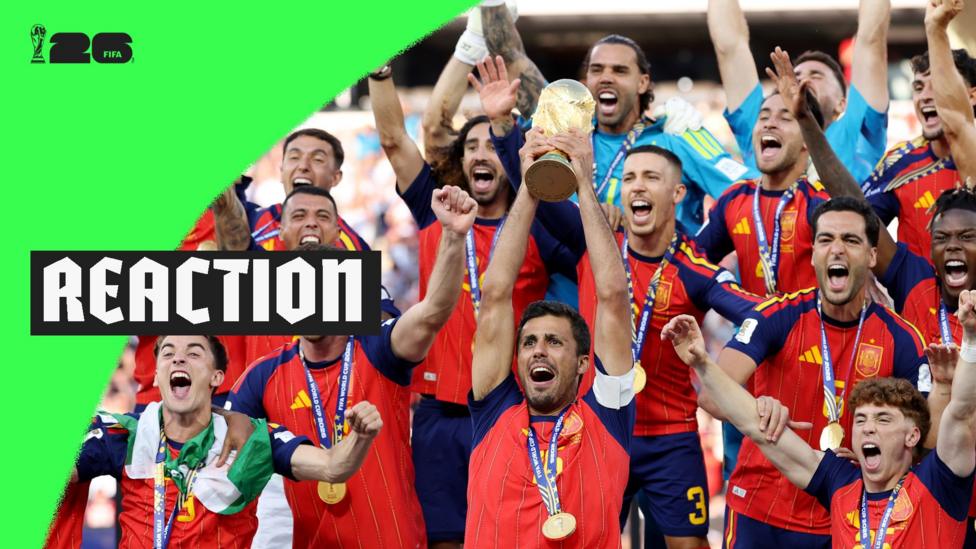
Spain Conquer the World Again as De La Fuente Era Arrives
Spain claimed their second World Cup title, beating Argentina 1-0 after extra time in a final that confirmed a new footballing dynasty.

The World Star Quiz: Why We Never Stop Chasing Tournament Legends
Daily World Cup player quizzes tap into football's deepest instinct: remembering who mattered when it counted most.

The Scottish Set-Piece Guru Plotting Portugal's World Cup Glory
Austin MacPhee vaulted from Aston Villa's dead-ball mastermind to Portugal's tactical weapon for the 2026 World Cup.