Dan Brown Lights Up The Open, Then Apologises to Mum
England's Dan Brown stubbed out cigarettes at Royal Birkdale and apologised to his mum after smoking during The Open's first round.
Dan Brown stood on the windswept fairways of Royal Birkdale with a cigarette in hand. Not a driver. Not an iron. A cigarette. Then he promptly apologised to his mum.
The English golfer's admission that he lit up while playing the first round of The Open sent ripples through the championship, blending sporting theatre with a dose of domestic accountability. It was a moment that transcended the leaderboard.
Brown, competing against the world's elite on one of golf's most demanding stages, revealed that his mother was less than pleased about his on-course habit. The apology was swift, genuine, and delivered with the kind of sheepish charm that only a son can muster when caught red-handed by family.
"I'll have to apologise to my mum. She won't be happy about that."
A Championship Steeped in Wind, Rain, and Now Nicotine
Royal Birkdale has hosted The Open 10 times. It has witnessed titans of the game conquer its dunes and gorse. But it had never quite seen a storyline like this.
Links golf is brutal by design. Players battle coastal gusts, unpredictable bounces, and diabolical pot bunkers that swallow errant shots whole. The mental strain is immense. Every swing demands total concentration.
And yet, between those moments of intense focus, Brown found space for a smoke. The image of a professional athlete puffing away between shots on one of sport's grandest stages feels almost surreal in today's hyper-optimised era.
Modern golfers travel with entourages of physiotherapists. They have nutritionists dialling in every macronutrient. They employ psychologists to sharpen their mental edge. Then there is Dan Brown, reaching into his bag for something entirely different.
The contrast is jarring. And somehow, completely refreshing.
The Anti-Optimisation Movement
Golf's professional ranks have transformed over the past two decades. Players like Rory McIlroy treat their bodies like Formula One engines. Bryson DeChambeau consumes 3,000 calories a day in protein shakes and scientific supplements. Viktor Hovland tracks his sleep with wearables that cost more than most people's monthly rent.
Brown, by contrast, took a drag between approach shots and then said sorry to his mum. It is the kind of scene that feels pulled from a bygone era, when golfers were unapologetically human and the sport had not yet been swallowed by the biomechanics-industrial complex.
There is something disarmingly honest about a player who refuses to hide a habit even as cameras capture every puff. No whispered denials. No carefully worded statements from a PR team. Just a bloke who knows his mum will be watching.
The Mum Factor: Sportsmanship Begins at Home
Athletes apologise to sponsors. They apologise to fans. They apologise to coaches and teammates and sometimes even to referees, though usually through gritted teeth.
But apologising to your mother on a global broadcast? That is next-level accountability.
"She'll be giving me a ring tonight, I'm sure."
The exchange captured something authentic about Brown's character. In a sporting world increasingly governed by corporate polish and media training, here was a player whose first instinct after a championship round was to make amends with the woman who raised him. The moment resonated because it was unscripted, unguarded, and unmistakably real.
It also speaks to a universal truth. No matter how famous you become, no matter how many people watch you on television, your mum's disappointment still cuts the deepest.
When Golf Met Real Life
Major championships are pressure cookers. The Open, with its links golf quirks and weather whimsy, applies even more psychological strain than most. Cope with the conditions or they will dismantle you.
Brown's casual cigarette break, then, becomes a fascinating psychological study. Was it a stress release? A routine? A nervous habit that surfaces under the brightest lights?
Numerous studies have shown that nicotine can provide temporary cognitive benefits, including heightened alertness and reduced anxiety. The science is debatable and the cardiovascular trade-offs are grim, but the impulse to find a crutch in high-pressure environments is entirely understandable.
Golfers have always had their rituals. Some carry lucky coins. Others whisper to their ball. Brown apparently reaches for a lighter.
What It Means for The Open's Image
The Open embraces its links heritage unlike any other major. It is the championship where weather defines the narrative as much as any player's skill set. Rain, wind, and freezing temperatures test competitors who grew up on manicured American courses. The British Open is the grittier, more weathered parent among golf's four majors.
Brown's cigarette moment fits that aesthetic oddly well. It feels appropriately untamed. Royal Birkdale, with its dunes and bite, does not demand the clinical precision of Augusta National. It demands survival.
And sometimes survival comes with a smoke break.
The R and A, golf's governing body for The Open, has not commented publicly on Brown's habit. There is no rule prohibiting smoking during competition rounds, though the broader sporting landscape has shifted dramatically. The Premier League banned smoking in technical areas years ago. Wimbledon's All England Club frowns upon it. The Olympics treats tobacco like a relic from another century.
But The Open has rules measured in centuries, not years. The championship first teed off in 1860. A golfer smoking during a round would barely have raised an eyebrow then. Today, it sparks headlines and makes the guy's mum pick up the phone.
The Bigger Picture: Authenticity in the Age of Polish
There is an argument to be made that moments like Brown's cigarette break actually serve golf well. The sport constantly battles perceptions of being sterile, country-club exclusive, and emotionally airless. Broadcasts are polished to the point where every player interview feels like a reading from a sponsorship handbook.
Then Dan Brown walks to the first tee at Royal Birkdale, plays his round, smokes a cigarette, and tells the world he needs to apologise to his mum. It is not manufactured authenticity. It is not a calculated bid for attention. It is just a bloke being honest.
Fans crave this. They gravitate toward athletes who remind them that fame and talent do not erase humanity.
"I'll make sure they're stubbed out."
Brown's promise to keep the cigarettes at bay moving forward carries weight. It is a nod to self-awareness and a concession to maternal authority that few public figures are comfortable making.
As The Open continues its march across Royal Birkdale's hallowed links, the leaderboard will eventually settle the narrative. Someone will lift the Claret Jug on Sunday, and the focus will shift to clutch putts and decisive approaches.
But for one round, at least, golf had a story that made everyone smile. It was not about a brilliant shot or a record score. It was about a player, a cigarette, and a phone call he knows is coming.
Mum's number is already saved. The apology tour has begun. For Dan Brown, the hardest course of The Open might just be the conversation waiting at home.
Editorial Integrity
This is an original SportPulse article written by our editorial team. All content is independently researched, written, and reviewed by our writers and editors before publication. We do not publish copied, aggregated, or syndicated content.
SportPulse is committed to original sports journalism. Read our editorial policy or contact us with any questions.
More Like This
All long-reads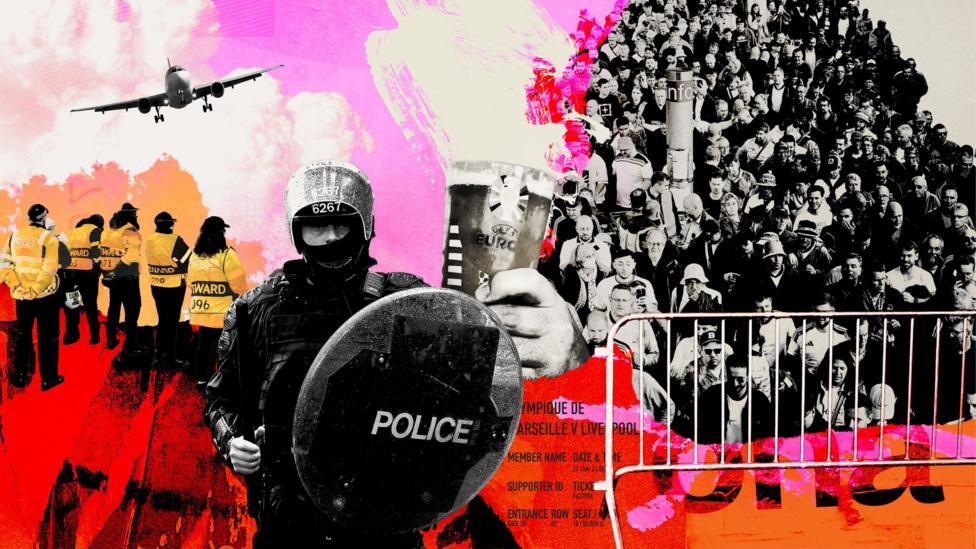
Cages, Crushes and Blades: European Away Days Turn Dangerous
Fans following clubs across Europe face cages, crushes, and stabbings as away day safety reaches a critical breaking point.

Mbappé's World Clock Is Ticking — And Florida Is Whispering
At 23 he conquered the world. At 31, he may be chasing shadows while Inter Miami beckons seductively from the wings.
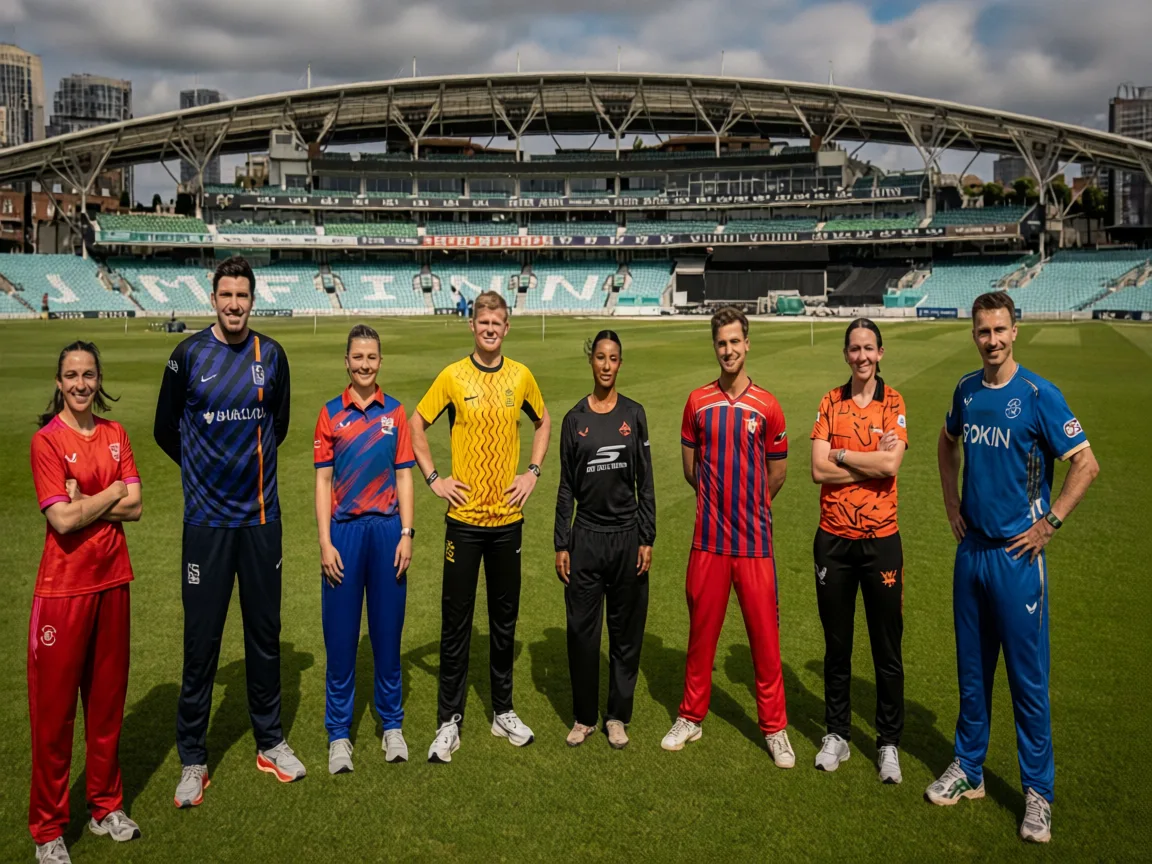
The Hundred 2026: What's Changed and Why It Matters
The Hundred returns in 2026 with structural tweaks, commercial shifts, and competitive implications worth dissecting.