The Hundred 2026: What's Changed and Why It Matters
The Hundred returns in 2026 with structural tweaks, commercial shifts, and competitive implications worth dissecting.
Late July. The floodlights hum to life. A bowler marks out a 20-metre run-up that barely gives the batter time to blink. Somewhere in the stands, a family shares a bucket of fried chicken and argues about whether the BBC's broadcast graphics look sharper this year.
Welcome back to The Hundred.
And welcome to a 2026 edition that arrives carrying more baggage, more questions, and more commercial weight than any season since its polarising inception.
ECB chiefs have spent the off-season tinkering with the format, the calendar, and the fragile ecosystem surrounding it. What was once a simple exercise in cricketing attrition has become something markedly more complex. A sporting product fighting for its long-term soul.
The question is never whether The Hundred will entertain. It nearly always does. The real question is whether the structural engineering behind it can survive a sport pulling itself in multiple directions at once.
The Format: Familiar Bones, Subtle Muscle
Let's clear away the obvious first before getting to the intrigue.
The core remains untouched. 100 balls per innings. Deliveries in batches of either five or ten depending on the bowler's end. Ten bowlers a side, with a strict cap of 20 deliveries per individual. A tactical timeout that splits the action for broadcasters desperate to squeeze in another advert.
If you fell in love with the rhythm of the inaugural 2021 season, that particular dopamine hit remains chemically unaltered.
But peel back the surface, and 2026 reveals some friction.
The ECB's competition committee faced a demanding off-season. Franchise valuations have been climbing. Private investment is now a live and urgent conversation. Central contracts are getting squeezed. And still, somewhere in the boardrooms, someone has to justify the format's existence to a legion of purists who view it as a faintly vulgar assault on a centuries-old game.
The response for this campaign is not a radical overhaul. It is a recalibration. Meticulous and strategic on paper. Uncomfortable when you consider what was on the table.
The Calendar Squeeze
Perhaps the most consequential shift is not what happens on the grass but when it happens.
The 2026 iteration of The Hundred must navigate a brutally congested summer window. England men have international commitments that demand priority. England women are building toward their own global tournament cycle. The domestic County Championship, the ** Vitality Blast**, and the Royal London Cup all require their slice of calendar real estate.
This year's scheduling reflects a tacit admission that the ECB cannot have everything running simultaneously without cannibalising its own audience and its player pool.
The tournament's window has been tightened. That compression means matches arrive faster, rest days shrink, and squads lean heavily on their bench. In a 100-ball pressure cooker where every delivery carries exaggerated weight, fatigue becomes a tactical variable and a serious injury concern.
"It is relentless. You train for the intensity, but when the games stack up, your body scream at you. Three matches in five days at The Hundred's pace is unforgiving."
For spectators, the condensed schedule is good news. A tighter schedule means momentum. Less dead air between fixtures. The word "festival" gets thrown around in marketing meetings, and this summer, on paper at least, it actually fits.
For player welfare officers and medical staff, it is a logistical migraine.
The Commercial Horizon: Private Money Knocks Louder
Here is where the genuine theatre lives.
The ECB's long-running review into the governance and financial structure of The Hundred has reached a critical juncture. For months, the board has been exploring options to bring private investment into the eight franchise teams. The concept is simple enough: sell stakes, inject capital, accelerate growth.
The execution is anything but.
County cricket clubs remain deeply protective of their historical affiliation with these franchises. Many feel they were strong-armed into participation during the ECB's aggressive initial rollout. The idea of selling equity to an outside consortium, be it a private equity firm or an overseas franchise boss, triggers a visceral reaction in committee rooms across the land.
The Stakeholders
At the heart of the 2026 conversation sits a fragile compromise.
- Counties: Want control and financial equity in exchange for their historical player pathways.
- ECB: Sees outside capital as essential for future global relevance.
- Investors: Circling the tournament with serious valuations but demanding meaningful operational input.
- Players: Want clarity on contracts and release commitments.
The ECB needs 2026 to demonstrate that The Hundred is a mature, sustainable commercial entity. Better viewership metrics. Better overseas player acquisition. A product that looks less like an experiment and more like an institution.
This season's structural changes, however minor they appear to the casual fan, are part of that pitch.
The Player Market: A Squeeze on Marquee Power
The Hundred has always lived and died by its ability to attract premium talent.
In 2026, that challenge is steeper than ever. The proliferation of T20 franchise leagues globally, from the Caribbean to the subcontinent to North America, has created a fiercely competitive market for elite players. The Hundred, restricted to a small late-summer window, must fight for its slice of the calendar against tournaments that offer longer contracts and bigger purses.
The domestic player pool remains the tournament's secret weapon and its declared ideological core.
Young English cricketers get a platform. Established international stars get a stage. The hope is the alchemy between the two produces something genuinely riveting and keeps the ECB's developmental mission intact.
But the margin for error is thin. If marquee overseas signings are sparse or unavailable in key fixtures, the product suffers. The 2026 changes to squad regulations and overseas player quotas are designed to address this, but the proof will come on the pitch under pressure.
Tactical Evolution: Pressure Reforged
Strategically, The Hundred has always rewarded boldness.
With 100 balls and a maximum of 20 per bowler, there is no place to hide a weak link. Captains cannot rotate through a long tail of bowlers. Every tactical decision is amplified. A single bad set of five deliveries can flip a match. The format's relentless economy makes innovation with batting orders absolutely non-negotiable.
Expect to see aggressive intent from ball one in 2026.
Data teams have had five full seasons now. They have the patterns. They know the death-over trends, par scores, and the precise efficacy of left-arm orthodox spin inside the first 20 balls. The analytics arms race has matured. Innovation now lives in the margins.
"We were guessing in year one. Now we have the data. The challenge is that everyone else does too. The edge comes from execution, not just information."
Expect to see wildcards early. Promoted batters deployed as disruptors. Pinch hitters at three. Bowlers held back for specific matchups that would have seemed reckless in a traditional format.
This is not bash-and-hope cricket. It is chess played with a ticking clock.
What 2026 Must Prove
For all the commercial wrangling, the television pounds, and the political maneuvering in boardrooms, the ECB's existential worry remains fundamentally unglamorous.
The Hundred must keep growing.
It must grow its audience, not just retain them. It must attract younger demographics who did not inherit a love of Test cricket from their parents. It must prove that the format can be commercially viable in a crowded market without bankrupting the traditional county game it寄生 within.
2026 is not a pivotal season in the eyes of the marketing department. But it is a proving ground. A tournament caught between consolidation and reinvention. Between defending its existence and justifying its cost.
If the cricket is good, the backdrop fades. People come for the spectacle. They stay for the tension and the drama. If the cricket is great, the revolution continues quietly.
If it falls flat, the questions will not be about format tweaks or scheduling windows or shift patterns. They will be about whether the experiment was ever worth the upheaval in the first place.
The lights come on. The first ball is about to be bowled.
2026 offers no second chances.
Editorial Integrity
This is an original SportPulse article written by our editorial team. All content is independently researched, written, and reviewed by our writers and editors before publication. We do not publish copied, aggregated, or syndicated content.
SportPulse is committed to original sports journalism. Read our editorial policy or contact us with any questions.
More Like This
All long-reads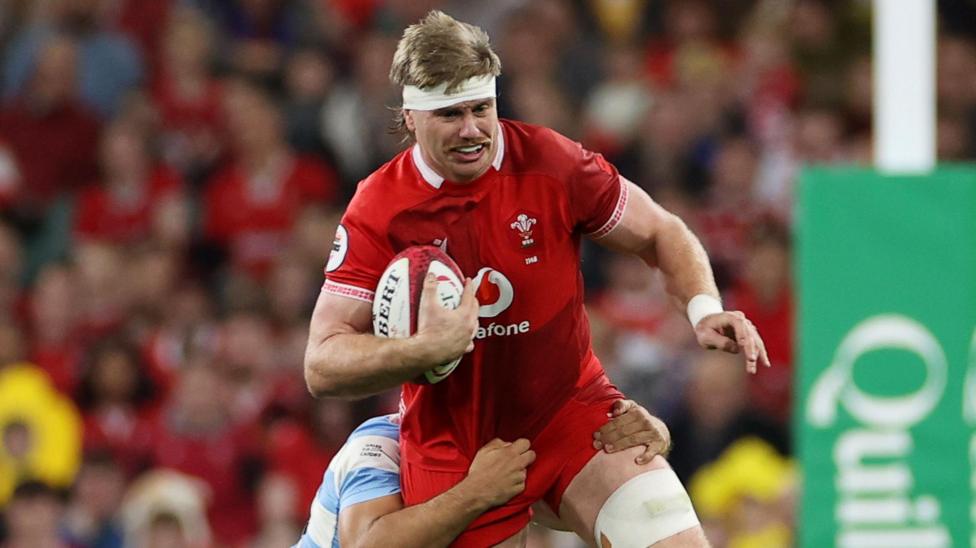
Wainwright's San Juan Return Brings Wales Tactical Reset
Aaron Wainwright revisits his first cap venue as Wales restructure their back row to counter Argentina's physicality in San Juan.

Rooney, Hart and Richards Take to the Hudson in Punditry Bonding Row
BBC's football trio swap the studio sofa for a rowing shell on the Hudson River, blending Premier League chemistry with OPEN water adventure.

Jenny Simpson Leaves Hospital After Cardiac Arrest, Spotlight Returns to Athlete Heart Safety
Olympic medallist Jenny Simpson's cardiac arrest while running reignites the urgent debate over athlete cardiac screening and emergency response.