Rooney, Hart and Richards Take to the Hudson in Punditry Bonding Row
BBC's football trio swap the studio sofa for a rowing shell on the Hudson River, blending Premier League chemistry with OPEN water adventure.
Trading Boots for Oars
Wayne Rooney, Joe Hart, and Micah Richards abandoned the studio Tuesday morning for something thoroughly unexpected. The three BBC football pundits rowed down the Hudson River, trading tactical chalkboards for oars and open water. The image reinforced how quickly this broadcasting trio has become one of British football's most bankable on-air units.
The sight of England's record goalscorer pulling strokes on a New York waterway defies easy categorisation. This is a player whose competitive identity has been forged on pitches from Goodison Park to Old Trafford and beyond. Seeing him navigate one of the world's iconic rivers spoke to a restless post-playing ambition that conventional punditry cannot fully contain.
Rivals Forged into Chemistry
What makes this episode resonate is the depth of relationship these three share. During the 2011-12 season, Hart's yellow wall contributed directly to denying Rooney a sixth Premier League winners' medal in one of the most dramatic title races ever recorded. While Hart celebrated with the City squad at the Etihad on May 13, 2012, Sergio Aguero's famous goal settled a title that, until that moment, looked destined for Old Trafford. Rooney and his teammates left empty-handed.
Seven years prior, Richards was the rising City right-back deepening United's cross-town frustrations during a formative period that reshaped Manchester's football hierarchy. The Birmingham-born defender broke into Sven-Goran Eriksson's England setup at 18 and earned 13 senior caps before persistent knee problems curtailed a promising career. His path from explosive full-back to beloved pundit represents one of the sport's most genuine career pivots.

Now they sit together each weekend, dissecting Premier League drama for the BBC's football coverage. Their combined 1,477 senior club appearances and decades of Champions League exposure lend weight to every tactical argument. Audiences respond to chemistry that cannot be produced through corporate scripting or producer-led casting decisions.
A Different Kind of Teamwork
The Hudson River excursion illuminated something deeper about this group dynamic. Rowing demands synchronicity, a shared cadence, and absolute trust in each person's capacity to do their job without grandstanding. It is the antithesis of football's individualistic modern culture, where personal brands and social media reach compete with collective objectives.
Moored boats bounced against their cleats as the trio settled into a rhythm beneath the watchful gaze of lower Manhattan's skyline. Water lapped against the hull in a metronomic beat, and Richards' unmistakable laughter carried across the water as Rooney battled to coordinate arms unaccustomed to repetitive rowing motion. Hart, ever the communicator, barked timing cues as if organising a back four during a dangerous set-piece delivery.
That mindset shift from individual performance to collective rhythm mirrors exactly what BBC producers have worked to capture on camera each weekend during Match of the Day and FA Cup broadcasts. When audience members tune in, they see three former professionals who genuinely enjoy each other's company while never letting through on-air analysis lapse into superficial camaraderie.
The Rooney Reinvention
Rooney's own transition from player to pundit has been the most compelling of the three. His managerial stints at Derby County and later in the United States with DC United in MLS demonstrated authentic hunger for a coaching career. After leaving Birmingham City by mutual consent in a difficult EFL Championship spell lasting just 83 days, he repositioned toward broadcasting with a cadence and clarity few anticipated.
His tactical analysis regularly delivers insight that only someone with hisHD-level playing experience can articulate. When he breaks down a striker's movement or a goalkeeper's positioning relative to a backline, he speaks from direct experience operating at the apex of European football. That authority transferred neatly to this unconventional Hudson exercise, where composure under unfamiliar pressure counted for everything.
Each of these men has confronted real adversity since hanging up boots. Richards detailed his battles with depression following early retirement from chronic knee degeneration. Hart weathered the particularly brutal scrutiny that comes with being a goalkeeper at the highest level, particularly during difficult spells with Torino in Italy and Burnley in the Premier League after his City career wound down. Rooney navigated very public personal struggles documented across multiple years while serving as England captain.

Why This Matters
Football has a long history of producing media partnerships that begin as competitive rivalries before deepening into lasting professional respect. Gary Neville and Jamie Carragher built their Sky Sports platform from direct Manchester United versus Liverpool animosity that defined an entire Premier League era. That adversarial streak lent authenticity to their eventual broadcasting partnership, and a generation of viewers responded to chemistry rooted in genuine competitive history.
The Rooney-Hart-Richards triangle carries similar competitive weight. Between them, they have won 4 Premier League titles, 2 FA Cups, and appeared in 3 World Cup tournaments. Crucially, they also know intimately the frustration of falling short when expectations weighed heaviest. Hart was England's starting goalkeeper when Rooney received a needless red card against Montenegro in October 2011, a flashpoint that marked the beginning of the end of Fabio Capello's tenure. These shared scars inform their analysis in ways that polished studio guests simply cannot replicate.
Their willingness to row down an iconic American river signals appetite to push beyond conventional comfortable work. It hints at future feature programming that could take football analysis out of darkened studios and into environments where these erstwhile athletes push themselves physically. There is genuine appetite among audiences for content that reveals personality and competitive drive long after active careers conclude, particularly when veterans from across club divides show mutual respect forged across decades.
What It Means
For the BBC, this unscripted moment delivers exactly the kind of organic social engagement producers crave but cannot manufacture. Each of these men possesses a combined social following exceeding 15 million across major platforms, and imagery of the Hudson row spread rapidly within hours of the first posts appearing. That reach translates directly into relevance for a broadcaster competing for attention against streaming platforms and commercial rivals who operate without publicly funded constraints.
For viewers, it offers reassurance that football broadcasting has room for genuine friendship alongside forensic tactical analysis and sharp partisan debate. The leading ex-professionals who shape how millions consume football each weekend are bonding publicly in ways that viewers find both relatable and aspirational.
The message landing clear across the Hudson that morning was unmistakable. Chemistry cannot be artificially manufactured or assembled through corporate casting sessions. It must be earned through shared experience, residual mutual respect, and the kind of willingness to look slightly foolish together that only true former competitors can muster.
.In that sense, a morning row down one of New York's defining waterways delivered something genuinely rare. It offered proof that the most compelling football broadcasting partnerships are built not in studios but through the hard-won trust of men who once competed at the highest level and lived to tell the tale together.
Editorial Integrity
This is an original SportPulse article written by our editorial team. All content is independently researched, written, and reviewed by our writers and editors before publication. We do not publish copied, aggregated, or syndicated content.
SportPulse is committed to original sports journalism. Read our editorial policy or contact us with any questions.
More Like This
All long-reads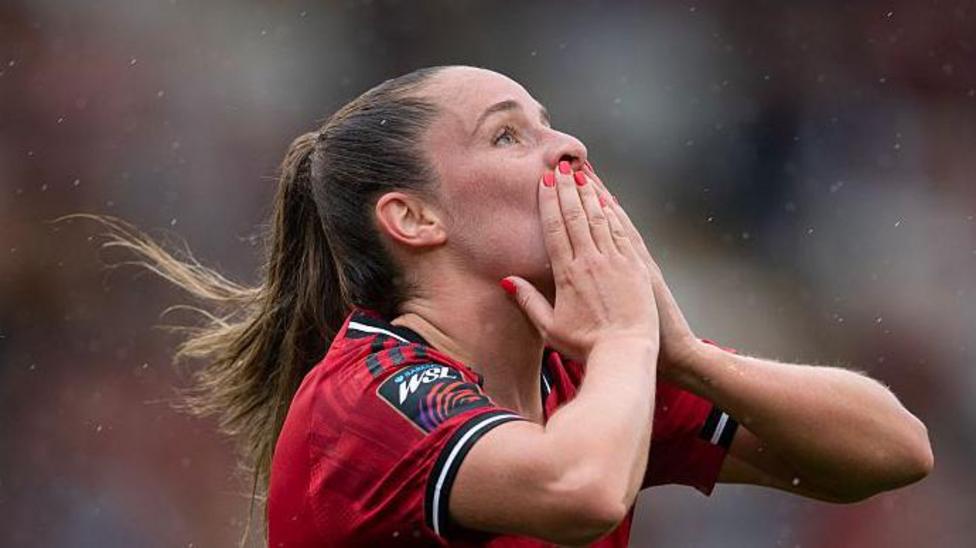
How Ella Toone Is Redefining Athletic Resilience Through Grief
Ella Toone's raw documentary reveals the hidden psychological burden elite footballers carry when grief intersects with the spotlight.
Striker the Dog: The Real MVP of World Cup 94
Before Beckham or Ronaldo, America fell for a cartoon dog who moved more merchandise than any player on the pitch.
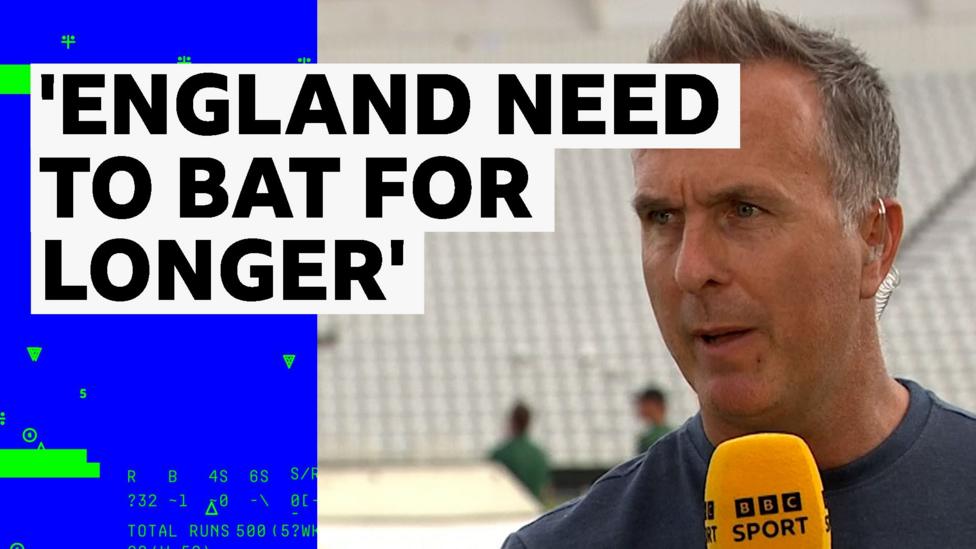
Vaughan Sounds the Alarm: England's Bazball Overs Crisis Reaches Breaking Point
Michael Vaughan's blunt verdict exposes a structural flaw in England's aggressive batting philosophy under Brendon McCullum.