Derry City's European Ambition Undone by Defensive Frailty in Sofia
Tiernan Lynch's tactical structure showed promise but three soft goals leave Derry's Europa League hopes delicately balanced.
The opening 45 minutes at the Natsionalen Stadion Vasil Levski laid bare a tension that defines small-association football on the European stage. Derry City, operating with the structural discipline of a side that had clearly consumed hours of opposition scouting, traded blows with CSKA Sofia in a half defined by transition cycles and territorial swings. The 3-2 defeat leaves Tiernan Lynch's side with everything to do in the return leg, but the scoreline conceals a contest that was, for long stretches, a genuinely even tactical battle.
Lynch set up his side in a mid-block 4-2-3-1 that prioritised defensive compactness over aggressive pressing. The logic was sound: against a CSKA Sofia outfit comfortable in possession and looking to stretch the pitch, Derry's priority was to deny vertical passes through the central corridors. The double pivot sat narrow, limiting space between the lines and forcing the Bulgarian hosts into wide recycling. For much of the early exchanges, the structure held firm, and CSKA's build-up played into Derry's hands.
The Genesis of the Collapse
The opening goal had been coming not through open-play brilliance but through structural erosion. As the half wore on, Derry's pressing triggers grew inconsistent, and the gap between the midfield bank and the back four widened by degrees. That space is where European ties are won and lost. Lynch would have noted with frustration that the goal originated not from a moment of Bulgarian inspiration but from a moment of Irish passivity.
Derry's equaliser, however, told a different tactical story. The goal was the product of something the coaching staff will have identified in their pre-match preparation: CSKA's fullbacks pushed high, leaving wide vacated space behind. When Derry's wingers received the ball, they did so with the intent to drive at the isolated centre-backs rather than recycle possession, punishing the aggressive Bulgarian shape with direct vertical passing and exploiting the space vacated by the advanced fullbacks.
The response from the bench was immediate but counter-intuitive. Rather than preserve the shape that produced the equaliser, Derry withdrew into a deeper mid-block position, possibly to manage the energy expenditure of pressing high for sustained periods. The shift was understandable but ultimately self-defeating. CSKA, a side accustomed to dominating territory in domestic competition, recognised the invitation and accepted it with relish.
The second and third goals arrived in quick succession, a three-minute burst that effectively decided the tie's trajectory. Both stemmed from the same structural issue: Derry's backline had dropped to the edge of the penalty area, compressing the space available but simultaneously surrendering the pressing initiative. The defensive line became a passive entity, reacting to CSKA's movement rather than dictating terms.
Tactical Shift
The defining tactical moment arrived in the immediate aftermath of the third goal. Lynch faced a choice familiar to every coach who has served in the League of Ireland and ventured into European competition: accept the damage and shut up shop, or roll the dice. His response was measured and tactically astute.
Derry transitioned into a 4-4-2 shape, pushing the attacking midfielder alongside the striker and asking the wide players to hold advanced positions. The adjustment served a dual purpose. It created a front-two pairing that forced CSKA's centre-backs into a decision: step out and leave space behind, or hold position and concede territorial control to Derry's midfield. The Bulgarian side chose the latter, and Derry began to find pockets of possession in areas that had been denied to them for the preceding thirty minutes.
The second goal for the visitors emerged from this structural recalibration. With CSKA's defensive line pinned deeper, Derry's fullbacks advanced higher up the pitch, creating wide overloads that the Bulgarian midfield struggled to track. The goal was a direct product of the 4-4-2's inherent advantage in creating central presence while simultaneously widening the attacking picture through overlapping runs.
Lynch's willingness to alter his shape and his side's capacity to execute the change speaks to a level of tactical sophistication increasingly evident in League of Ireland football. The era of Irish sides merely defending in numbers and hoping for set-piece scraps on the break is fading.
What the Numbers Reveal
- 3 goals conceded from an expected goals (xG) total that suggested a far closer contest
- 2 away goals scored, theoretically significant in the old away-goals landscape and practically vital for momentum
- CSKA Sofia held approximately 62% possession across the 90 minutes, reflecting their territorial dominance
- Derry managed 5 attempts away from home in a European qualifier, a modest figure but one consistent with their counter-attacking approach
- The three-goal burst that defined the match occurred within a compact 20-minute second-half window
The bare statistics obscure the tactical nuance, but the possession figure alone illustrates the fundamental challenge Derry face: Berlin-style ball retention against continental opposition. A side built on physical directness was asked to absorb sustained pressure and respond on the counter.
"We're disappointed with the goals we conceded. At this level, you get punished for switching off, and we switched off at key moments. But it's still all to play for. We've shown we can hurt them, and we've shown we can create. The tie is alive." — Tiernan Lynch
Lynch's postmatch assessment reveals a manager who understands the macro picture. The frustration is targeted: not at systemic failure but at specific lapses in concentration. The distinction matters enormously for a coach preparing a tactical response.
The Broader Context
For Derry City, this tie carries significance beyond mere progression. The League of Ireland's European coefficient has been a battleground for years, with every result either reinforcing or eroding the association's standing. A victory over two legs against a side of CSKA Sofia's pedigree, with their continental pedigree and familiarity with these environments, would represent a statement result for the domestic game.
The 2 goals scored away from home provide more than numerical encouragement. They represent proof that Derry can construct meaningful attacking sequences against higher-tier opposition. The return leg at the Brandywell will demand a different kind of performance, but the away goals ensure that the hosts will be forced to approach the game with a mixture of caution and ambition.
Lynch must now address the defensive fragility that cost his side in Sofia without sacrificing the attacking intent that brought them back into the match. The balancing act is delicate but not impossible. If Derry can replicate the structural discipline of the opening halves sustained across 90 minutes rather than in fragmented bursts, progression remains a realistic proposition.
The defensive lapses that led to the three goals will have been dissected frame by frame by a coaching staff that knows the margin for error disappears in the second leg. The first priority will be sharpening the communication between the backline and the double pivot, ensuring the kind of passive defending witnessed in Sofia is replaced by proactive, assertive positioning.
What Comes Next
The return leg at the Brandywell presents a fascinating tactical proposition. Lynch will need to calibrate the tension between defensive solidity and attacking ambition. A two-goal deficit requires Derry to score at least twice, but leaving defensive space for CSKA's wingers to exploit is essentially an invitation for the tie to be killed by an away goal.
The most likely approach is a tweaked 4-2-3-1 with selective pressing triggers rather than sustained pressing throughout the match. Derry cannot afford to chase the game from the opening whistle. Instead, they must use the Brandywell pitch to compress space and create a heavily congested, Claustrophobic environment that frustrates a CSKA side accustomed to more time on the ball in away fixtures.
The onus will be on Douglas James Wilson or Pat Hoban to lead the line with the same intelligent movement that stretched CSKA's centre-backs in Sofia. Behind them, the midfield must demonstrate greater control of transition moments. The defensive lapses must be ironed out.
For all the defensive disappointments, Derry depart Sofia with something tangible: two away goals, a performance that showed genuine flashes of tactical acumen, and a belief that the tie remains very much alive. Whether Lynch can engineer the turnaround rests entirely on his side's capacity to perform with the same attacking cohesion while demonstrating the defensive discipline that was absent in the Bulgarian capital.
Editorial Integrity
This is an original SportPulse article written by our editorial team. All content is independently researched, written, and reviewed by our writers and editors before publication. We do not publish copied, aggregated, or syndicated content.
SportPulse is committed to original sports journalism. Read our editorial policy or contact us with any questions.
More Like This
All football
Hincapie Commits: Arsenal Seal Permanent Deal for Ecuadorian Defender
Arsenal turn Piero Hincapie's loan into a permanent signing, locking down a defender who starred in Leverkusen's historic unbeaten season.
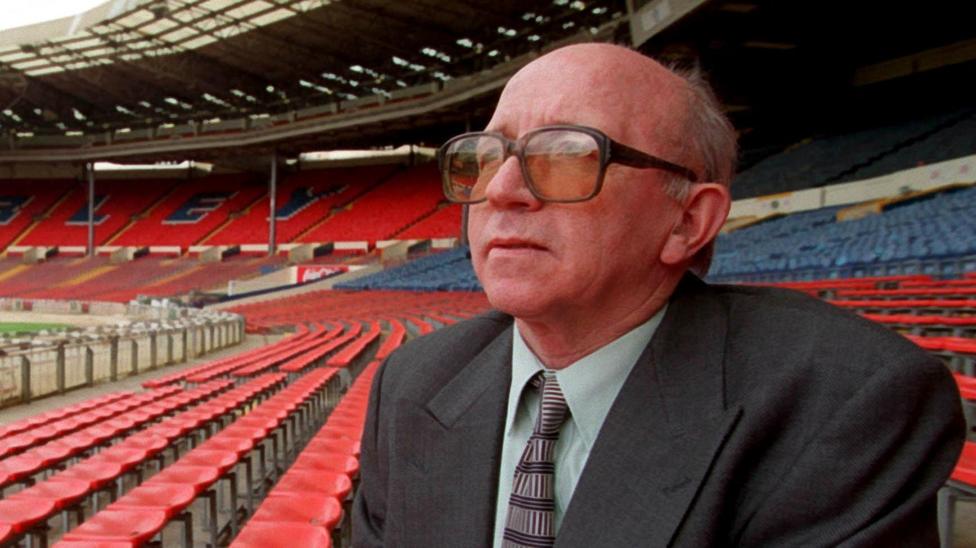
Coroner Rules Heading Footballs Caused Stiles' Brain Disease
A coroner formally concludes England World Cup hero Nobby Stiles died from a brain condition caused by repeatedly heading footballs.
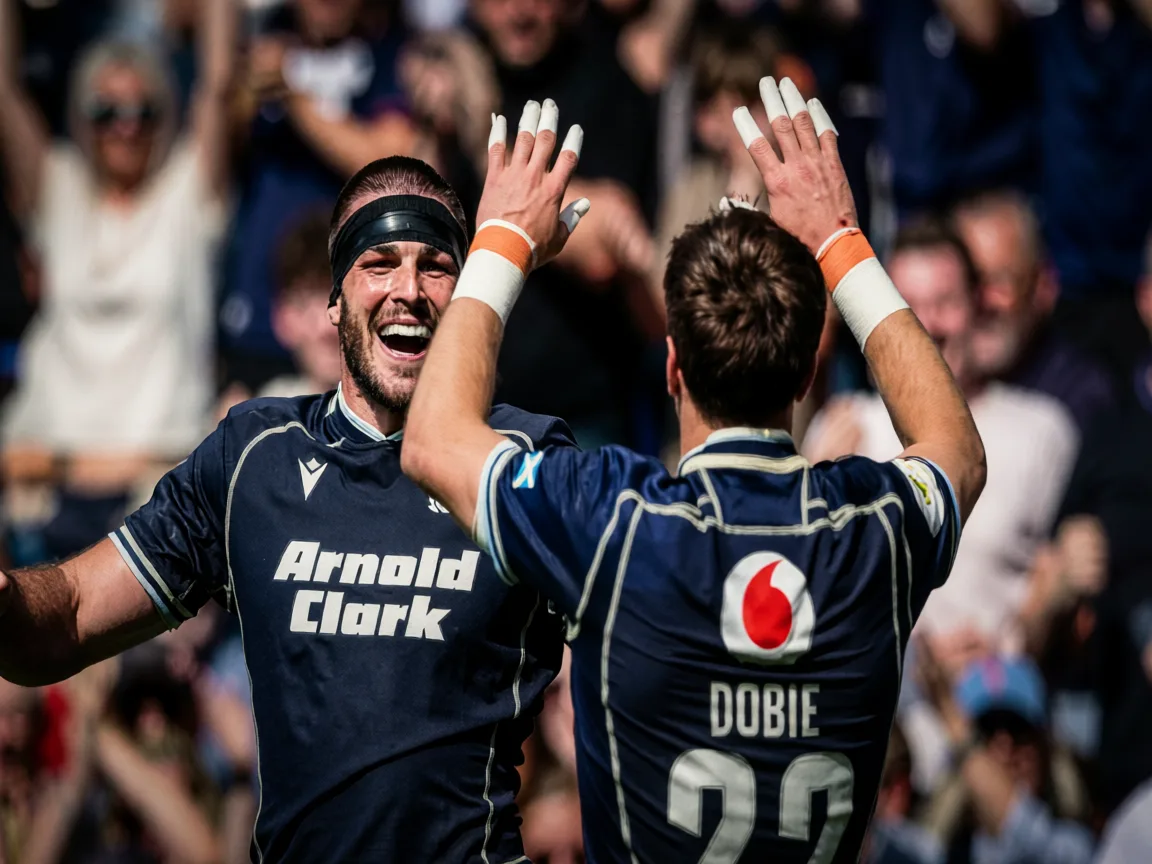
Scotland Survive Fiji Scare in Murrayfield Nations Championship Thriller
Scotland snatched a bonus-point win but Fiji's tactical rebirth exposed worrying Scottish defensive frailties at Murrayfield.