Deschamps Leaves France Camp After Mother's Death
France's World Cup preparations face an emotional jolt as Didier Deschamps departs to mourn his mother.
The Hardest Call a Manager Never Wants to Make
Football strips itself bare during a World Cup. Every tactical wrinkle, every squad rotation debate, every press conference soundbite is magnified to absurd proportions under the global spotlight. Then something like this happens, and the entire edifice of professional obsession collapses into something irreducibly human.
Didier Deschamps will not be on the touchline for France's final group stage match. The French Football Federation confirmed the head coach has returned home following the death of his mother. No details regarding timing or circumstances were disclosed, and none should be demanded. This is a private grief played out in the most public arena on Earth.
The timing is cruel in the way only football's calendar can be. A World Cup does not pause. Group stage points do not wait. France must play, and they must do so without the man who has defined their national team identity for over a decade.
What France Lose on the Touchline
Deschamps is not merely a coach to Les Bleus. He is the connective tissue between generations of French football. A World Cup-winning captain in 1998, a European Championship winner as a player in 2000, and the architect of France's 2018 World Cup triumph in Russia. He took them to another final in 2022, where they lost on penalties to Argentina in one of the greatest matches ever played.
His presence on the touchline carries psychological weight that no tactical board session can replicate. Deschamps' France sides have historically been defined by their emotional resilience, their ability to navigate tournament pressure with an almost bureaucratic efficiency. That composure starts at the top.
"I have known tougher things in life than losing a football match." -- Deschamps has said variations of this throughout his career, a mantra forged from a lifetime of experience that now carries devastating personal resonance.
The French midfield, the engine room of every Deschamps system, has always been calibrated to his emotional frequency. Whether it is the disciplined double pivot or the more expansive setups he has occasionally deployed, the players trust the structure because they trust the man who built it. That trust does not evaporate overnight, but its absence is felt.
The Assistant's Moment
France's coaching staff will absorb the tactical responsibilities. The FFF operates with a deep backroom structure, and Deschamps' assistants have been embedded in his methods long enough to maintain continuity. In practical terms, the system will not change. The pressing triggers, the build-up patterns, the defensive shape -- these are institutional at this point, drilled into the squad across multiple tournament cycles.
What cannot be delegated is the aura. No assistant, however experienced, carries the same authority in a pre-match huddle. Players at this level are finely tuned to the energy of the room, and the absence of their leader will register.
The Bottom Line: The tactical framework survives. The emotional architecture takes a hit. How France's players respond will say as much about their collective character as any training ground session.
The Tournament Context
France enter their final group game in a position that, on paper, should provide some cushion. The defending champions have historically navigated group stages with the kind of composed efficiency that Deschamps demands. His teams rarely produce fireworks in the opening rounds, preferring to accumulate points through control and set-piece threat.
This has been the Deschamps tournament blueprint since 2014: survive and advance through the group, then unleash the squad's considerable individual quality in the knockout rounds. Kylian Mbappé, Antoine Griezmann, Ousmane Dembélé, and the rest of France's star-laden roster are more than capable of executing without their head coach barking instructions from the technical area.
But World Cups are not played on paper. They are played in pressure cookers, where the margins between qualification and elimination can be razor-thin. France will be aware that any slip-up could complicate their path, and doing so under the cloud of their coach's personal tragedy adds an unpredictable psychological variable.
Historical Precedents
Managers missing matches for personal reasons during major tournaments is rare but not unprecedented. What is notable is how teams tend to respond. There are two patterns:
- The galvanizing effect: The squad rallies around their absent leader, treating the match as a tribute. Emotional energy converts into on-pitch performance.
- The distraction effect: The uncertainty and emotional weight unsettles the group, leading to sluggish or distracted performances.
France's squad is stacked with players who have experienced the highest-pressure environments imaginable. Multiple Champions League finals, World Cup finals, European Championship campaigns. These are not players who wilt easily. The expectation, based on the profile of this group, leans heavily toward the first scenario.
The Human Element
There is something that needs to be said plainly: Didier Deschamps lost his mother during a World Cup, and he went home to be with his family. That is the correct decision. Full stop.
The football industry has an uncomfortable habit of valorizing sacrifice, of treating the abandonment of personal obligations as a badge of honor. We celebrate managers who sleep at training grounds, who miss family events, who treat the sport as an all-consuming monastic calling. Deschamps choosing to leave, choosing grief over glory, is a reminder that some things are bigger than a group stage fixture.
The FFF confirmed the departure with a statement that was appropriately brief and respectful. No timeline for return was given. Speculation about whether Deschamps will be back for the knockout rounds is natural but premature. The man deserves space.
The football will resume. The whistle will blow. France will take the field and try to win a football match. The context, however, has shifted permanently for the men involved.
What This Means Going Forward
Assuming France progress from the group as expected, the knockout rounds will present a different kind of challenge. Deschamps' tactical adjustments between matches, his ability to read opponents and adapt his setup, have been critical in every deep tournament run France have made under his stewardship.
The 2018 World Cup is instructive. Deschamps made subtle but decisive tactical shifts throughout the knockout rounds, moving from a more conservative approach in the group stage to unleashing Mbappé's pace on the counter against Argentina in that unforgettable 4-3 round-of-16 victory. Those kinds of in-tournament adaptations require a coach who is present, focused, and embedded in the daily rhythm of camp life.
Should Deschamps return for the knockout stages, the emotional reunion could itself become a galvanizing force. Players who have spent days processing their coach's absence, who may have played the group finale with heavy hearts, could channel that accumulated emotion into something powerful.
The Bigger Picture for Deschamps' Legacy
Whatever happens in this tournament, Deschamps' place in French football history is cemented. One World Cup as captain, one as manager. A European Championship final. A Nations League trophy. His tenure has been the most successful in the history of the French national team, full stop.
This moment, however painful, adds a dimension to that legacy that transcends trophies. It humanizes a figure who has often been portrayed as coldly efficient, a pragmatist who cared more about results than aesthetics. Here is the proof that behind the tactical rigidity and the clipped press conference answers is a man who understands what matters most.
The World Cup continues without him, for now. France will do what France under Deschamps always does: find a way. But the touchline will feel emptier, the technical area quieter, and the weight of the occasion heavier.
The Bottom Line: Football is the most important of the least important things. Deschamps' departure is a stark, painful reminder of exactly where the boundary lies.
Editorial Integrity
This is an original SportPulse article written by our editorial team. All content is independently researched, written, and reviewed by our writers and editors before publication. We do not publish copied, aggregated, or syndicated content.
SportPulse is committed to original sports journalism. Read our editorial policy or contact us with any questions.
More Like This
All football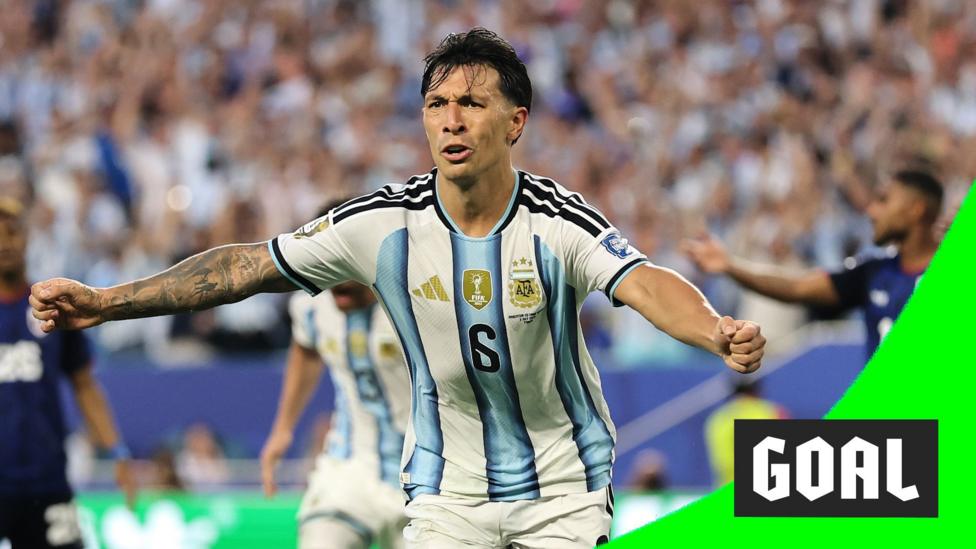
Martinez Breaks Cape Verde Hearts as Argentina Advance in World Cup Knockouts
Lisandro Martinez's decisive strike in the 2026 World Cup knockout stage sends Argentina past a resilient Cape Verde side and into the next round.
England's £19m World Cup Bonus Bonanza: Who Gets What
FA will split half its £38m Fifa prize money between players and staff if Kane lifts the trophy in New York.
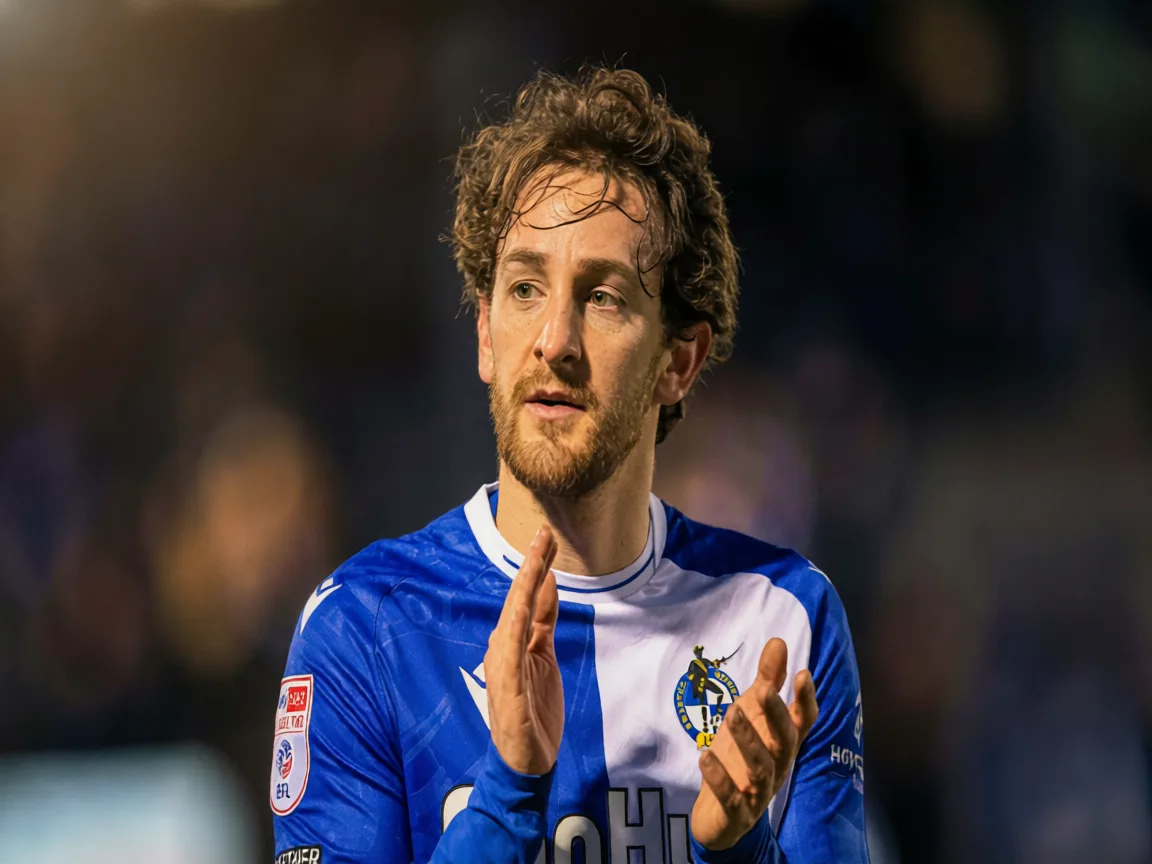
Lockyer to Melbourne Victory: A Defensive Rebuild With European Structure
Wales defender Tom Lockyer joins Melbourne Victory, bringing Championship-grade defensive intelligence to an A-League side chasing structural discipline.