England's £19m World Cup Bonus Bonanza: Who Gets What
FA will split half its £38m Fifa prize money between players and staff if Kane lifts the trophy in New York.
The Numbers Behind the Dream
£19 million. That is the staggering sum the Football Association will distribute to England's players and coaching staff if Harry Kane lifts the World Cup trophy in New York next weekend. The figure represents almost exactly half of the £38 million in prize money Fifa hands to the victorious nation.
The bonus structure, agreed before the tournament began, splits the windfall with surgical precision. The squad pockets roughly £15 million. Head coach Thomas Tuchel collects £3 million. His backroom team divides approximately £1 million among themselves.
For the players, that £15 million translates to a meaningful but not life-changing sum when divided across a 26-man squad. Spread evenly, each player would receive around £577,000. That figure barely scratches the weekly wages of the Premier League's elite earners.
A Deal Struck in Quiet Rooms
The players' leadership group negotiated this arrangement with FA chief executive Mark Bullingham before a ball was kicked. These discussions typically happen behind closed doors, far from the public gaze that scrutinizes every pass and miss during the tournament itself.
England's leadership group has historically taken responsibility for ensuring the squad agrees on how bonuses get distributed. In previous tournaments, players have funneled their share into charitable causes or pooled funds for support staff who do not qualify for the headline bonuses.
The FA's willingness to part with half its prize money signals a significant shift from the amateur era. Decades ago, international duty was considered honor enough. Today, the economics of elite football demand that every stakeholder, from the star striker to the kitman, shares in the financial upside of success.
Tuchel's Cut and the German Premium
Thomas Tuchel stands to earn £3 million in bonuses alone, a figure that reflects both his status as one of Europe's elite coaches and the FA's strategic investment in his appointment. The German was brought in specifically to bridge the gap between near-misses and actual silverware.
Tuchel's base salary, reportedly around £5 million annually, already places him among the highest-paid managers in international football. A World Cup triumph would push his total compensation for the tournament cycle north of £8 million when factoring in his base pay and performance bonuses combined.
His backroom staff splitting £1 million means each assistant, analyst, and fitness coach could see anywhere from £50,000 to £200,000 depending on their seniority and contractual terms. These are the invisible architects of any tournament success, and the bonus pool ensures they are not forgotten when the champagne flows.
The FA's Financial Balancing Act
The Football Association is not a bottomless well of cash. Retaining £19 million from the prize pot allows the governing body to reinvest in grassroots football, facility upgrades, and youth development programs that form the lifeblood of the national game.
Fifa's £38 million winner's check represents one of the largest single payouts in international football. For context, the 2022 World Cup in Qatar awarded $42 million to Argentina, though that figure included commercial and broadcasting top-ups beyond the base prize structure.
The FA's decision to split the money evenly between the organization and the team reflects a pragmatic compromise. Players feel valued and motivated. The governing body preserves capital for the infrastructure projects that sustain English football beyond any single tournament.
How This Compares Globally
International bonus structures vary wildly across federations. Some national associations offer players a flat fee per match. Others tie bonuses exclusively to tournament progression. A few compromise on a hybrid model that rewards both individual appearance fees and collective achievement.
England's model leans heavily toward collective reward. The £15 million squad pool is contingent on winning the final, not merely reaching it. That all-or-nothing structure creates a psychological environment where second place carries no financial consolation.
For Tuchel, the £3 million bonus mirrors arrangements seen at top European clubs, where managers routinely earn Champions League-winning bonuses in the same financial neighborhood. The FA has effectively club-ified its compensation structure to attract elite tactical minds.
The Weight of History
England has not won a major tournament since the 1966 World Cup on home soil. That 59-year drought, soon to be 60, hangs over every squad that pulls on the white shirt. The financial incentive is real, but for this generation of players, the historical weight dwarfs any monetary calculation.
Kane, at 31 years old, likely faces his final chance to cement a legacy that transcends his goal-scoring records. The striker has won every individual honor the game offers. A World Cup trophy would rewrite his narrative from prolific marksman to England immortal.
The bonus money, in that context, becomes a footnote rather than a motivator. These players earn generational wealth at their clubs. What drives them in New York next weekend is the chance to join Bobby Moore, Geoff Hurst, and the 1966 pantheon.
The Psychology of the Payout
In the England dressing room, the atmosphere crackles with a tension that no pre-tournament briefing can manufacture. Players who spend eleven months a year as bitter club rivals now sit shoulder to shoulder, whiteboards covered with tactical scribbles and physio tables cluttered with tape and ice packs.
The leadership group's quiet negotiation of the bonus structure, completed months ago, feels distant now. In theBuild-up to the final, nobody mentions the £15 million. Nobody calculates their individual share. The conversation, instead, revolves around family messages pinned to walls, childhood photographs tucked inside kit bags, and the voice of a manager who has been there before at the highest level of European club football.
Tuchel moves through the room with a quiet intensity, his touch firm but brief on each player's shoulder. The backroom staff works in coordinated silence, laying out training bibs and hydration stations with the precision of a military operation. The financial architecture of the night, totaling £19 million in potential payouts, exists only in contracts filed away at Wembley. Here, the currency is something far less tangible and far more valuable.
"We came here to make history. The money is for accountants to count. We count in moments." — A senior England player, speaking in the tunnel before the warm-up.
What It Means
The £19 million bonus pool reveals three critical truths about modern international football. First, the gap between club and country compensation has narrowed dramatically. Players no longer view international duty as an unpaid favor to their nation. Second, the FA has positioned itself as a progressive governing body that shares financial success with those who deliver it on the pitch. Third, and perhaps most importantly, the structure of this bonus scheme tells you exactly what England expects to happen in New York.
You do not negotiate a £19 million payout plan unless you believe lifting the trophy is a realistic proposition. The FA, the players, and Tuchel have aligned their financial incentives around winning. Not participating. Not reaching the semis. Winning.
If England falls short, the bonus structure collapses to a fraction of its headline value. Progression-based payments exist, but they are crumbs compared to the winner's jackpot. The all-or-nothing nature of the arrangement is a statement of intent from a federation that has grown tired of noble defeats and penalty shootout heartbreak.
For Tuchel, success in New York would validate the FA's bold decision to look beyond English shores for a manager capable of finishing the job. His £3 million bonus would be money well spent. For the players, the £15 million pool would be shared, celebrated, and likely redirected toward causes and people who helped them reach this summit.
And for English football, the remaining £19 million would flow into the grassroots and academies that produced the very generation now standing one match from immortality. The real return on this investment may not be measured in pounds, but in the next wave of talent inspired by a summer night in New York.
Editorial Integrity
This is an original SportPulse article written by our editorial team. All content is independently researched, written, and reviewed by our writers and editors before publication. We do not publish copied, aggregated, or syndicated content.
SportPulse is committed to original sports journalism. Read our editorial policy or contact us with any questions.
More Like This
All football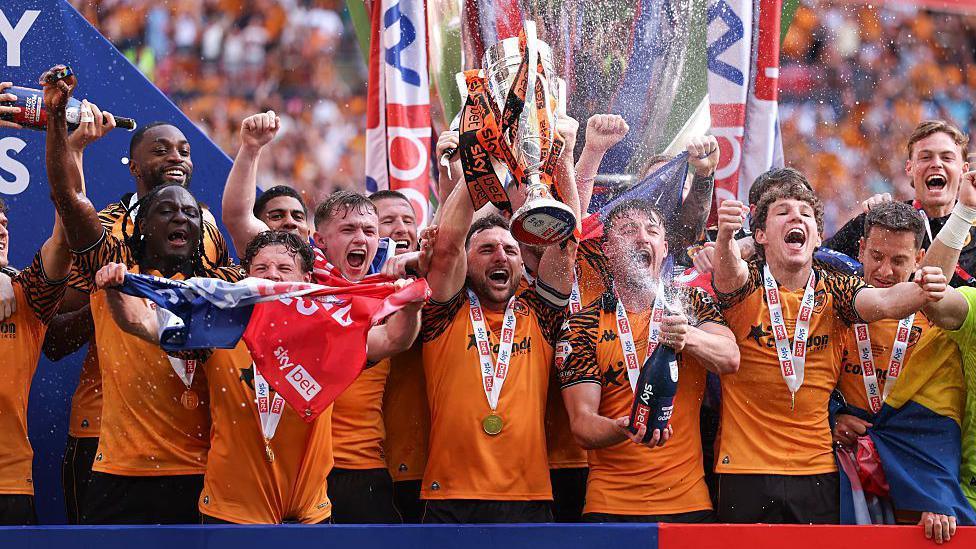
Hull's Premier League Dream Threatened by PSR Nightmare
Promotion to the Premier League comes with a brutal ultimatum: sell stars by month's end or face a points deduction.
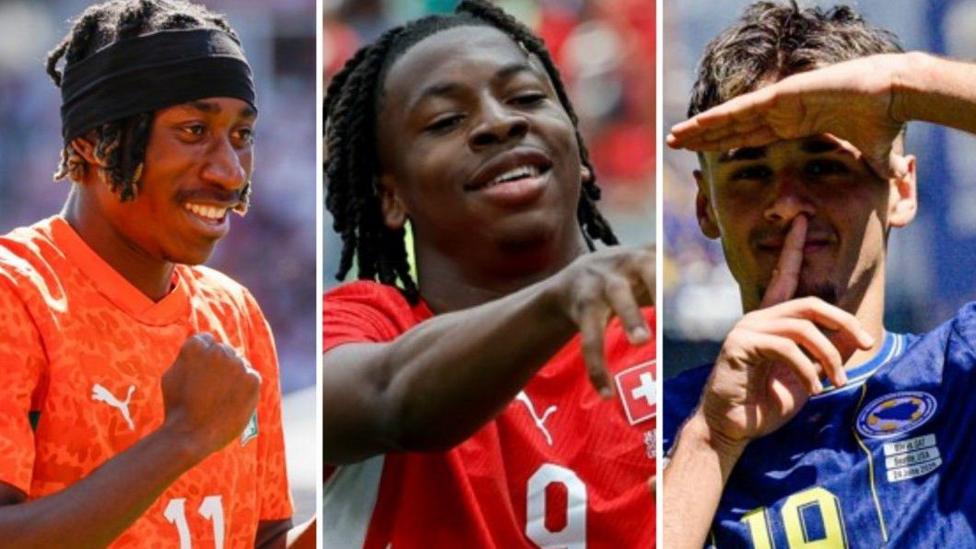
Move Over Messi and Ronaldo: The New Generation Taking Over
Five emergent superstars are stealing the World Cup spotlight from the fading era of Messi and Ronaldo.
World Cup Breakouts Are Transfer Market Gold, But the Premium Is Dangerous
A breakout World Cup inflates transfer value overnight. But clubs paying the tournament premium often gamble on context rather than substance.