The Question That Defined Desmond Armstrong's World Cup
Desmond Armstrong's 1990 World Cup moment revealed the ugly reality of being a Black pioneer in American soccer.
A Question That Should Never Have Been Asked
Desmond Armstrong had earned his place. He had fought through qualifying rounds, survived the brutal CONCACAF gauntlet, and helped drag the United States back to the World Cup for the first time since 1950. When he sat down in front of the assembled media at Italia '90, he was a professional footballer representing his country on the biggest stage in the sport.
The first question he received had nothing to do with tactics, formation, or the upcoming match.
It stuck in his mind for the wrong reasons.
"When Desmond Armstrong faced the media at the World Cup in 1990, the first question he got was one that would stick in his mind for the wrong reasons."
The specifics of that exchange tell a story far larger than one press conference. They tell the story of what it meant to be a Black American soccer player at a time when the sport barely registered in the national consciousness, and when the very idea of a Black man wearing the Stars and Stripes on a football pitch seemed to confuse the global football establishment.
The Forgotten Team
To understand Armstrong's experience, you have to understand the team he played for. The 1990 US Men's National Team was not the polished, commercially backed outfit that would stun the world at the same tournament four years later. This was a ragtag group of largely semi-professional players, many of whom held second jobs to make ends meet.
Head coach Bob Gansler cobbled together a squad that included college players, indoor soccer veterans, and a handful of guys plying their trade in the nascent American soccer landscape. The NASL had folded in 1984. Major League Soccer wouldn't exist for another six years. American soccer existed in a wilderness.
Armstrong was one of the few who had carved out a career abroad, playing in the lower divisions in Portugal and later in the US. He was a defender with pace, intelligence, and a quiet ferocity that belied his composed demeanor off the pitch. He earned 81 caps for the national team over his career, a remarkable figure given the paucity of competitive fixtures available to US players in that era.
But in 1990, he wasn't just a footballer. He was a trailblazer, whether he wanted to be or not.
Breaking Ground in a White Sport
American soccer in the late 1980s and early 1990s existed in a peculiar cultural space. The sport was perceived, rightly or wrongly, as a suburban white middle-class pursuit. Youth soccer was booming in the suburbs, but it hadn't penetrated the urban centers where Black athletic talent was most concentrated. Basketball and football dominated those communities, and soccer was seen as someone else's game.
For Armstrong and the handful of other Black players in the US setup, that perception created a double bind. At home, they played a sport that their own communities often didn't recognize as legitimate. Abroad, they represented a country whose relationship with soccer the rest of the world viewed with suspicion or outright mockery.
And then there was the other dimension entirely. The one that surfaced in that press conference.
In 1990, the World Cup was held in Italy. The global football media was vast, sophisticated, and overwhelmingly European and South American. Many journalists covering the tournament had never seen a Black American soccer player up close. Some had never considered the possibility that one existed.
The question Armstrong faced reflected that ignorance. It was the kind of question that reduces a man to his skin color, that strips away the thousands of hours of training, the sacrifice, the qualification campaign, the tactical preparation, and asks him to justify his very presence instead.
Behind the Scenes: What It Meant to Be "The First"
Armstrong wasn't technically the first Black player to represent the United States in a World Cup. That distinction has roots going back decades. But he was part of a generation that carried the burden of visibility without the infrastructure of support.
There was no PR team managing media interactions. No diversity officers embedded in the federation. No social media to control the narrative. When a reporter asked a reductive or offensive question, the player had to absorb it, process it, and answer it alone, in real time, in front of a room full of strangers.
"You carry that stuff with you. It doesn't go away when the press conference ends. It follows you to the hotel, to the training pitch, to the match." — Common reflection from players of that era on dealing with racial bias in sport
Armstrong would later become an advocate for diversity in American soccer, working in coaching and administration. His experience in Italy in 1990 wasn't the only factor that shaped his post-playing career, but it was a defining one. He understood, viscerally, what the sport looked like from the margins.
The Results on the Pitch
The football itself was brutal. The US lost all three group stage matches: 1-0 to Czechoslovakia, 1-0 to Italy, and 5-1 to Austria. They scored two goals in the entire tournament and finished bottom of Group A.
But those results, lopsided as they appear, told a story of a team punching above its weight. The opening loss to Czechoslovakia was a tight, disciplined performance. The defeat to Italy, the host nation and eventual third-place finishers, came from a single moment of quality. Even the Austrian rout saw the US pull a goal back and compete for stretches.
Armstrong played in that tournament as a defender tasked with containing some of the best attacking players in the world. He held his own. The margins were thin, and the talent gap was real, but he didn't embarrass himself or his country.
What embarrassed his country was something else entirely.
The Legacy Armstrong Didn't Ask For
History has a way of smoothing edges. The 1994 World Cup on home soil gets remembered as the moment American soccer arrived. The 1-0 victory over Colombia, the packed stadiums, the emergence of players like Alexi Lalas and Tab Ramos. That narrative is clean and triumphant.
But Armstrong and his 1990 teammates laid the groundwork for all of it. They endured the humiliation of being treated as curiosities, as novelties, as representatives of a country that didn't care about the sport they loved.
For Armstrong specifically, there was an added layer. He navigated a football world that didn't know what to make of a Black American defender with tactical awareness and technical ability. The question in that press conference wasn't an anomaly. It was a symptom of a sport that, even in 2024, continues to grapple with racism at every level.
The numbers tell part of the story. In the 2022 World Cup in Qatar, the US squad included multiple Black players in prominent roles, from Tim Weah to Sergiño Dest to Tyler Adams, who captained the side. That representation didn't happen by accident. It happened because men like Armstrong endured the uncomfortable questions and kept playing anyway.
What's Changed, What Hasn't
American soccer has evolved enormously since 1990. MLS is a $1.5 billion-plus industry. Youth development pathways are more diverse than ever. Black American players feature prominently in top European leagues.
But the echoes of Armstrong's experience persist. Reports of racist abuse in youth soccer remain disturbingly common. The coaching pipeline at the professional level remains overwhelmingly white. The administrative structures of the sport in America still don't reflect the communities that increasingly drive its talent base.
Armstrong's story is not a relic. It's a mirror.
The question he faced in that press conference in Italy more than three decades ago was a product of its time. The conditions that produced it, however, have not entirely disappeared. They've mutated, adapted, found new expressions.
Pioneers don't choose their battles. They simply show up and endure. Desmond Armstrong showed up for 81 international matches, for a World Cup campaign that most of his countrymen never watched, in a sport that his country barely acknowledged.
He deserved better than the first question he got.
He earned the right to every question after it.
Editorial Integrity
This is an original SportPulse article written by our editorial team. All content is independently researched, written, and reviewed by our writers and editors before publication. We do not publish copied, aggregated, or syndicated content.
SportPulse is committed to original sports journalism. Read our editorial policy or contact us with any questions.
More Like This
All long-reads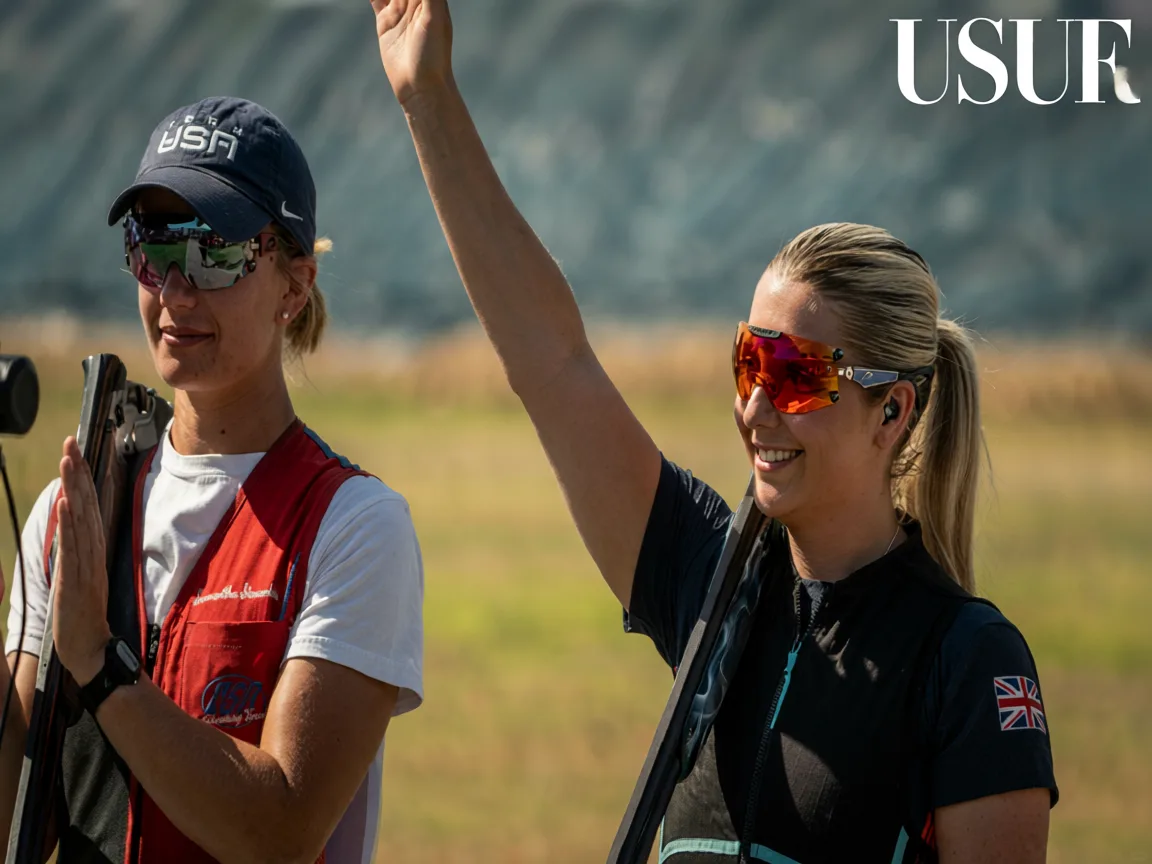
Rutter Fires Bronze on Return After Son's Birth
Amber Rutter claimed bronze at the ISSF Shotgun World Cup in her first international since becoming a mother for the second time.
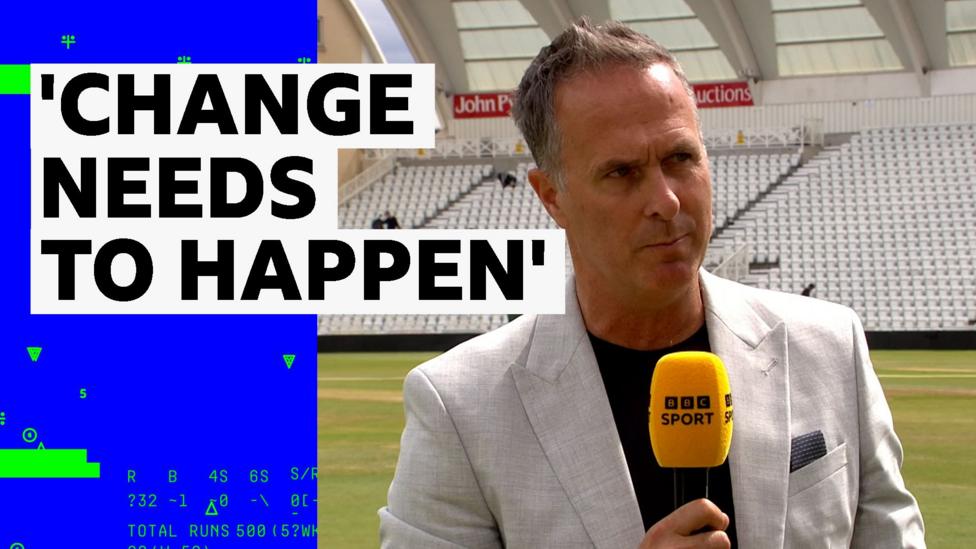
Exposed and Directionless: Why England Need Andy Flower Back in the Trenches
Michael Vaughan's call for Andy Flower to return exposes a deeper crisis of identity in England's Test setup.
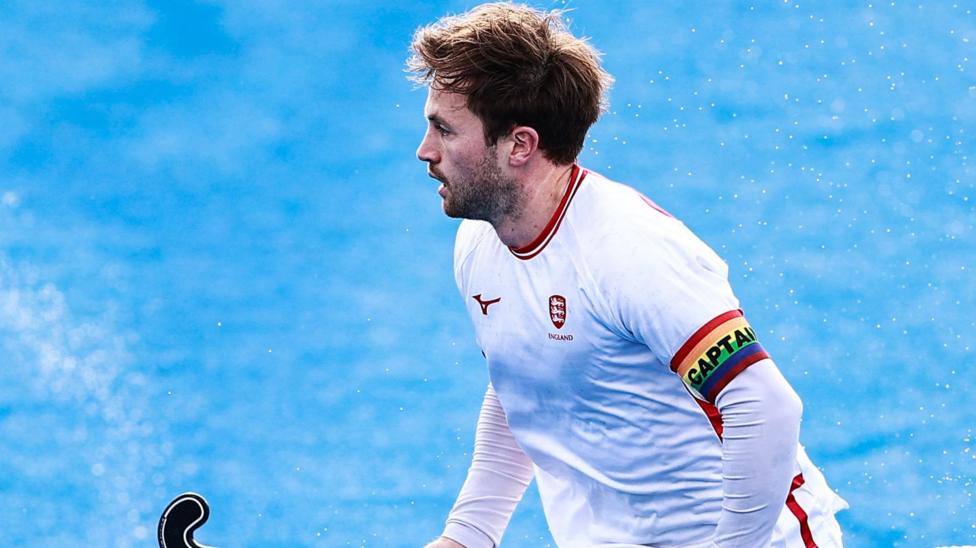
So Close: India Snatch Pro League Glory as England Men Fall in Shootout
England men settle for second after shootout agony against India; women's side dodges relegation in dramatic Pro League finale.