Djokovic Reaches Federer's 105-Win Wimbledon Milestone
The Serbian battler equalled Federer's colossal Wimbledon win mark, proving his grass-court greatness long outlasts a single era.
Novak Djokovic does not merely break records; he systematically dismantles them, reassembling the history of tennis into his own image. By battling past Arthur Rinderknech to secure his latest victory at the All England Club, the Serbian has equalled Roger Federer's legendary mark of 105 men's singles match wins at Wimbledon. That is the headline, a monumental feat of longevity. When you parse the underlying data, the context makes the achievement even more staggering. Federer, often regarded as the undisputed king of grass, was supposed to own this statistical category for eternity. Instead, Djokovic has transformed the debate into a question of when, not if, he assumes total control of the record books.
Federer's elegance on turf was considered so ethereal that no modern player, not even Rafael Nadal on clay, would touch his grass-court supremacy. Federer ended his career with 8 Wimbledon titles and an astonishing win percentage on the surface. Yet Djokovic has obsessively engineered his game to survive the unique friction of grass. He has matched the 105-win milestone while maintaining a level of physical durability that defies the typical career arc of a men's tennis player.
The Rinderknech Litmus Test
The milestone victory itself was a microcosm of the Djokovic ethos: clinical, unyielding, and completely devoid of charity. Arthur Rinderknech, possessing a dangerous serve and heavy groundstrokes perfectly tailored to the slick Wimbledon courts, initially tested the Serbian's movement. The Frenchman aimed to shorten points and disrupt the baseline rhythm that defines the Djokovic game. Grass notoriously rewards first-strike tennis, often giving journeymen a fighting chance against elite opponents.
However, Djokovic suffocated the upset bid with intellectual tennis. His return positioning was characteristically surgical, standing deep to absorb the Rinderknech serve, then stepping forward to dominate second-serve rallies. The statistical disparity in return games won on grass is where Djokovic builds his empire. While the rest of the ATP tour typically secures a break percentage in the low 20s, Djokovic consistently operates above 30%. Against Rinderknech, the pressure of chasing the record was neutralized by the sheer weight of Djokovic's blue-chip strategy, ensuring Federer's ghost was always just one service break away.
The Statistical Arms Race
Comparing the two greats purely on their 105 wins obscures the vastly different eras and formats in which these numbers were compiled. To truly appreciate the gravity of Djokovic matching Federer, we must examine the efficiency metrics.
- Match Volume: Federer required 22 appearances at Wimbledon to amass his total. Djokovic secured his 105th win in just his 20th tournament, boasting a higher match win frequency.
- Win Percentage: Entering this milestone, Djokovic held a career Wimbledon win rate hovering around 89%. Federer retired with a lifetime mark of approximately 86%.
- Championship Rounds: Federer reached a record 12 finals at the All England Club. Djokovic has appeared in 9 finals with a conversion rate that remains historically elite.
"Records are the motivation. They are the fuel that keeps me going." — Novak Djokovic
Djokovic has transformed grass-court tennis from a serve-and-volley spectacle into a baseline chess match, proving that elite movement and_returns_ can conquer any surface, a statistical reality that terrifies the rest of the ATP tour.
The Grass-Court Evolution
Tactically, the evolution of Djokovic on grass is a masterclass in sports science. Grass rewards low bounces, unpredictable skids, and abbreviated points. Early in his career, the Serbian was predominantly a hard-court beast who struggled to slide on the slick lawns of SW19. The transformation over a decade has been staggering. His team recalibrated his footwork to utilize smaller, more controlled strides, eliminating the lateral slides that work on clay.
His first-serve percentage at Wimbledon has steadily climbed over the last decade, sitting consistently above 64%. A high first-serve percentage on grass is a tactical weapon that eliminates the chaotic variance of second-serve returns. Against Rinderknech, this metric was paramount. Even when an opponent is serving brilliantly and holding their own, the inevitable regression to the mean favors Djokovic, a statistical fortress that younger challengers simply cannot breach.
Passing the Torch and Laying the Foundation
Federer was the architect of modern grass-court tennis, popularizing an aggressive baseline game that marginalized the traditional serve. Djokovic has inherited that blueprint, augmenting it with superhuman flexibility and impenetrable defense. The debate between the two legends is no longer about aesthetics; it is a conversation about statistical dominance. Where Federer painted masterpieces on grass, Djokovic has built a ruthless factory of results.
By battling past Rinderknech, a formidable first-round obstacle, Djokovic sent an early message that his hunger remains undimmed. The mindset required to chase a milestone belonging to a beloved rival requires a psychological armor plating. The moment he tied the record, it felt inevitable that 106 was just around the corner.
The Verdict
Passing or equaling a Federer record at Wimbledon was once considered sacrilege. Djokovic has made it routine routinen. His ability to match the 105-win mark in fewer tournaments speaks to an efficiency born of unparalleled physical investment. The numbers do not lie; they simply bow to the Serbian.
What Comes Next: The 106 Challenge
With the milestone equalled, the tennis world now pivots to the inevitable: when will Djokovic claim the record outright? The upcoming rounds present a distinct tier of challenges, each testing different aspects of his evolving game.
The immediate challenge is navigating the volatile early rounds of a Grand Slam, where big-serving floaters lurk on a surface that heavily favors the ball. However, the focus shifts to the potential quarterfinals and semifinals, where the data indicates he separates himself from the ATP elite.
In best-of-five set matches on grass, Djokovic's five-set record remains historically dominant. Rinderknech, the latest victim, faded as the match progressed, a testament to the physical onslaught Djokovic imposes by simply refusing to miss. As the tournament progresses, his opponents will grow more competent, yet Djokovic's 89% career win rate at Wimbledon will continue to loom large.
The Bottom Line
Arthur Rinderknech will be a footnote in history. He was the obstacle standing between Novak Djokovic and the institutional memory of Roger Federer. By claiming his 105th win, Djokovic has not just equalled a number; he has crystallized his argument as the greatest to ever play the sport. Every backhand pass and sliding retrieval on Centre Court chips away at the Federer legacy, replacing aesthetic nostalgia with cold, hard arithmetic.
The grass at the All England Club now runs through Belgrade. The Federer era at Wimbledon is officially over, a fact that only became undeniable when the numbers confirmed it. Djokovic is no longer chasing the ghosts of rivals; he is simply writing his own history.
Editorial Integrity
This is an original SportPulse article written by our editorial team. All content is independently researched, written, and reviewed by our writers and editors before publication. We do not publish copied, aggregated, or syndicated content.
SportPulse is committed to original sports journalism. Read our editorial policy or contact us with any questions.
More Like This
All tennis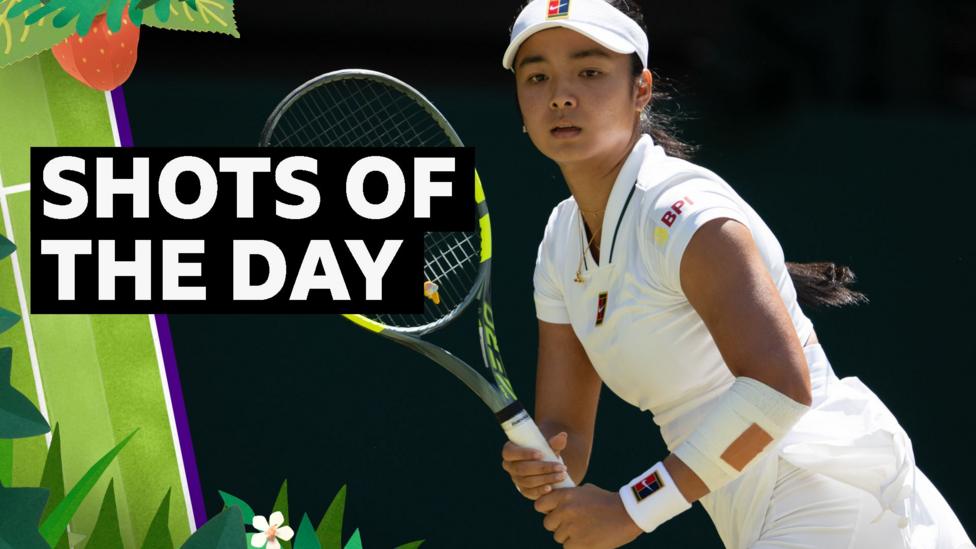
Eala, Cobolli, and Salisbury light up Wimbledon's second week
Day eight at Wimbledon delivered breathtaking shot-making from Alexandra Eala, Flavio Cobolli, and Joe Salisbury as the tournament enters its decisive phase.
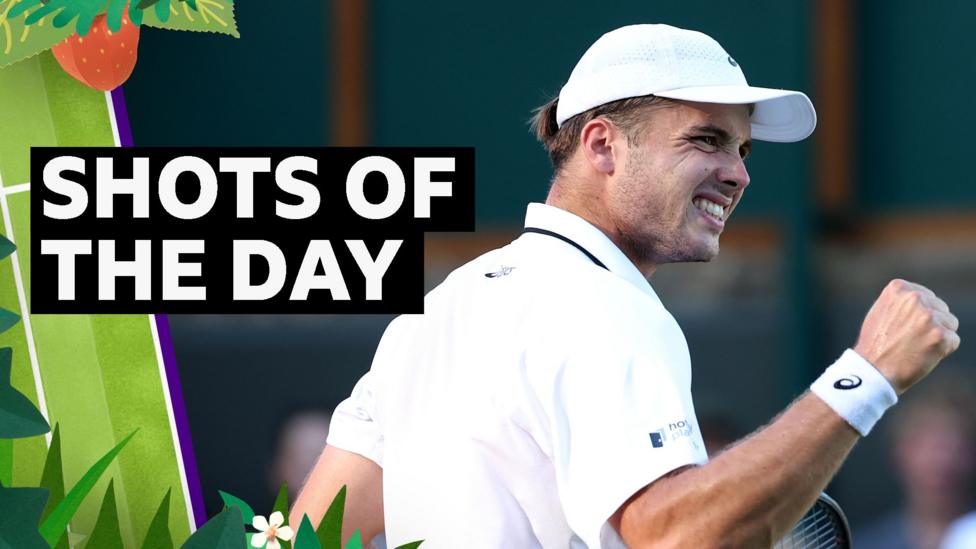
Paolini Dazzles, Fery Battles: Wimbledon Day Six's Defining Moments
Day six at Wimbledon delivered breathtaking shot-making from Jasmine Paolini and British qualifier Arthur Fery on a dramatic Saturday.
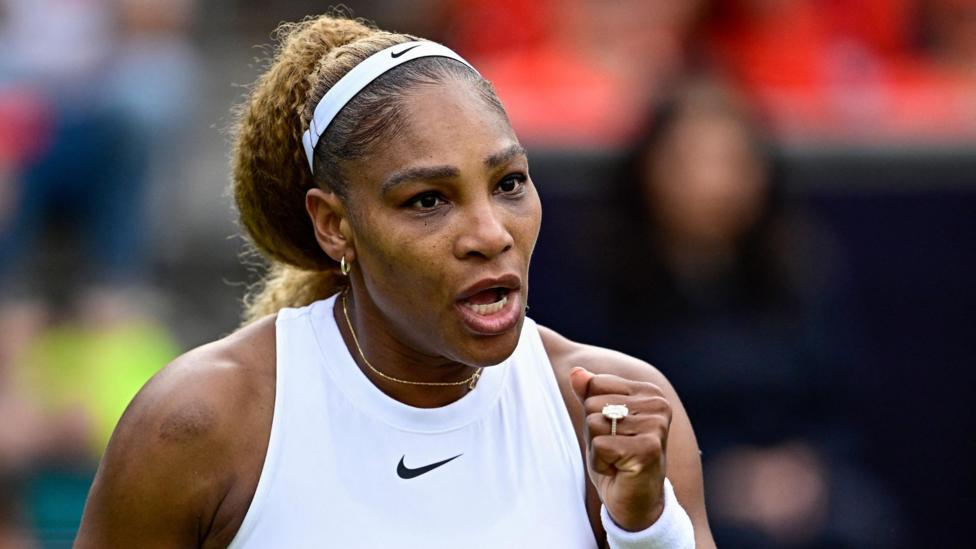
Serena at 44: The Greatest Returns to Wimbledon
Serena Williams is stepping back onto the Wimbledon lawns at 44, defying time and logic for one more fight.