The Doctor Healing Curacao's World Cup Dream
Dr Suzanne Huurman leads medical staff for the World Cup's smallest ever team, steering Curacao into uncharted footballing territory.
The island measures just 171 square miles. The population barely scrapes past 150,000. Yet on a patch of grass somewhere in the Concacaf qualifying crucible, a medical doctor is orchestrating one of the most improbable surgical procedures in world football: keeping Curaçao's World Cup dream alive.
Dr Suzanne Huurman does not cut into ligaments or mend fractured tibias on this particular operating table. Instead, she stitches together the fragile fitness of a roster defying geographical and statistical gravity. As head of medical staff for Curaçao's national men's side, she stands at the vanguard of a sporting miracle.
Curaçao is the World Cup's smallest ever team by population and size. The odds of a territory this microscopic competing on football's grandest stage are astronomical. But the presence of a female doctor dominating the medical strategy for a senior men's international squad? That shatters an entirely different ceiling.
The Improbability of the Island
Forget the luxury of deep scouting nets and sprawling domestic academies. Curaçao operates on a different sporting plane, one where every healthy body is a precious, irreplaceable commodity.
When your entire talent pool is smaller than a single district in London or Buenos Aires, player availability becomes an existential crisis. A hamstring strain isn't just a tactical headache. It threatens the very viability of the national team's tactical setup.
- 444 km² total land area of the island
- 152,000 approximate population size
- 0.18% of the population of the United States
- 1 stadium on the entire island certified for international play
"When you have such a small base of players, every single injury feels like a national crisis. We don't have the luxury of like-for-like replacements waiting in the wings."
This is the daily reality Dr Huurman navigates. Her medical room isn't just a place of recovery. It functions as a war room where the future of a nation's sporting identity is negotiated.
Breaking Medicine's Glass Ceiling
Men's professional football remains one of the most stubbornly patriarchal institutions on the planet. Boardrooms are slowly diversifying. Touchlines remain stubbornly resistant. But the medical tent? That is slowly becoming the breach point.
Huurman's appointment isn't a token gesture of modernization. It is a calculated elevation of expertise in a high-stakes environment where mistakes cost goals, not just games.
The physiological demands placed on a group of players predominantly scattered across European and North American leagues are immense. These athletes fly across the Atlantic to represent a Caribbean flag. The travel alone induces a specific breed of circadian havoc.
Jet lag, tropical humidity, and the immediate shift from European winter to Caribbean heat place a unique metabolic stress on musculature. Hamstrings and Achilles tendons scream under the abrupt environmental shifts. This is where a generic medical approach collapses, and specialized island medicine takes over.
Transfer Intel: The Hidden Economics of Island Football
The business of keeping a micro-nation competitive is a brutal ledger. Curaçao lacks the state-funded infrastructure of Concacaf giants like Mexico or the United States.
Their secret weapon? The diaspora market.
The island's most valuable export isn't oil or sea salt. It is athletic DNA. Curaçao's squad is heavily reliant on players who trace their heritage back to the island but developed professionally in the Netherlands.
- Leandro Bacuna: Premier League and Championship veteran
- Cuco Martina: Former Southampton and Everton defender
- Jusef Kerkhoff: Dutch academy graduate
"The diaspora is our transfer market. We don't buy players. We reconnect them with a home they may have never lived in. But the medical challenge is integrating guys who play in cold European climates into a tropical, high-intensity system within 48 hours."
This is where Dr Huurman's role transcends physiotherapy. She operates as a biological negotiator. She manages the acclimatization protocols that determine whether a European-based player delivers a match-winning performance or pulls up with a season-ending tear.
The financial asymmetry is stark. A single ACL injury to a key diaspora player doesn't just cripple Curaçao's World Cup qualifying campaign. It potentially derails the player's club career, jeopardizing the very economic engine that keeps the national team afloat. The stakes are staggering.
The Acclimatization Protocol
Managing a micro-nation's medical infrastructure demands ruthless innovation. Huurman's methods eschew the bloated physiotherapy departments of elite European clubs for targeted, high-impact interventions.
Hydration strategies are calibrated to the exact humidity index of the Ergilio Hato Stadium. Recovery windows are compressed because the international calendar offers no mercy to tiny island nations. Preventative scans replace reactive treatments.
There is no margin for error. When a Curaçaoan player pulls up lame, there is no eight-figure substitute warming the bench. There is only a chain reaction of positional chaos that ripples through a skeletal squad.
The Concacaf Crucible
The path to a World Cup for Curaçao is a brutal physical gauntlet. Concacaf qualifying rarely offers cruise-control fixtures against minnows. It offers forensic examinations against physical, athletic sides who leverage depth and conditioning.
Canada, the United States, and Mexico bring roster depth that stretches into three digits. Curaçao brings roughly 23 like-for-like athletes. If three of them break down, the system fractures.
Dr Huurman's work operates at the intersection of sports science and brutal realism. She must outthink medical departments with ten times the budget and fifty times the staff.
Her success rate is silently etched into Curaçao's recent competitive ascent. The island captured the Caribbean Cup. They reached the quarterfinals of the Gold Cup, eliminating heavily favored Honduras along the way. Each tournament run was a medical miracle as much as a tactical triumph.
Anatomy of a Revolution
The impact of Dr Huurman extends far beyond the Curaçaoan bench. She represents a structural breach in a sport desperate for diverse leadership.
When a female doctor successfully manages the physical integrity of a high-performance men's international squad, she doesn't just win a game. She rewrites the hiring manual for federations worldwide.
Young women studying sports medicine now have a visible, functioning blueprint that reaches the pinnacle of the men's game. The sideline is no longer an exclusive domain.
For Curaçao, the immediate stakes are stark. Every World Cup cycle narrows the window for this golden generation. The diaspora pipeline continues to produce talent, but the current core represents a once-in-a-generation convergence of skill and opportunity.
If the injury gods frown on the island, Dr Huurman becomes the last line of defense. If they smile, she becomes the invisible architect of a World Cup appearance that would rank among the greatest underdog stories in sporting history.
The measurement of her success won't be found in a medical chart. It will be found in whether Curaçao can keep its improbable dream breathing on the pitch, against all mathematical and physiological logic.
Editorial Integrity
This is an original SportPulse article written by our editorial team. All content is independently researched, written, and reviewed by our writers and editors before publication. We do not publish copied, aggregated, or syndicated content.
SportPulse is committed to original sports journalism. Read our editorial policy or contact us with any questions.
More Like This
All long-reads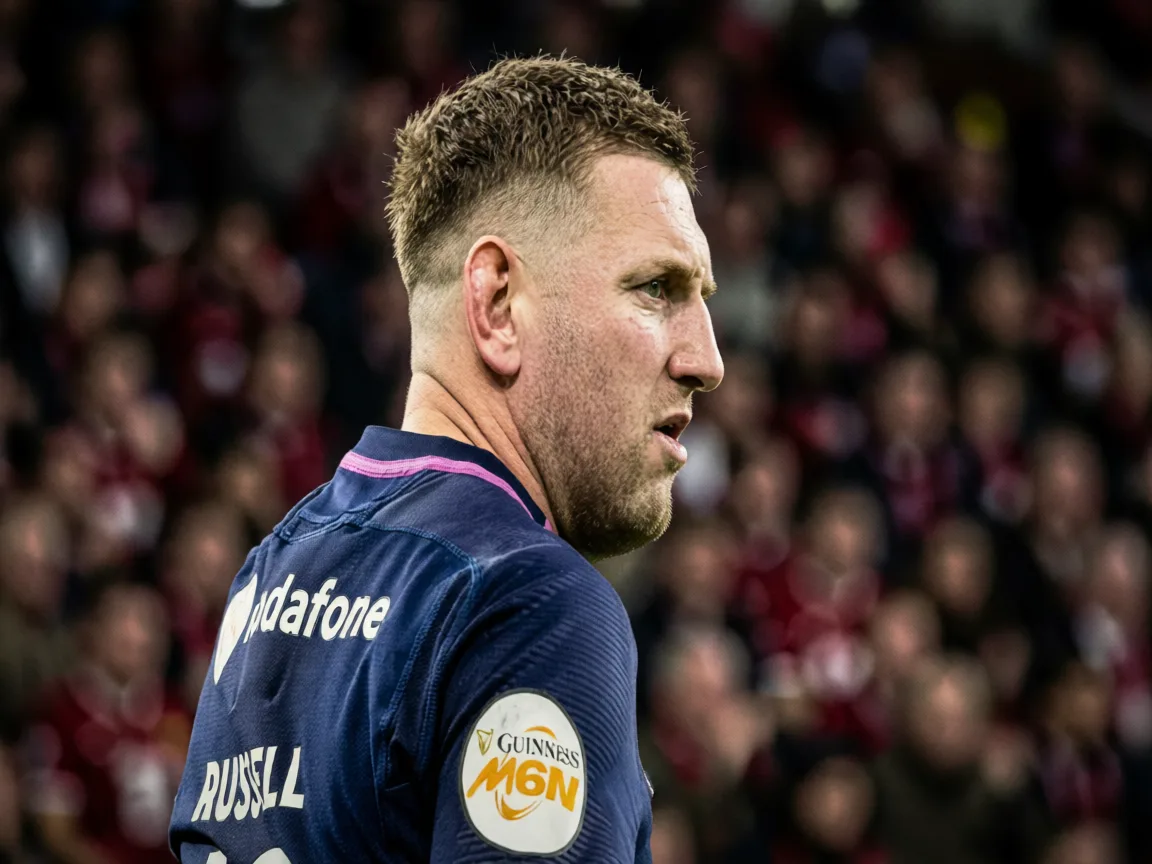
Russell Returns: Scotland's Maestro Back to Face Springbok Wrath
Finn Russell is fit to start at fly-half for Scotland against South Africa in a colossal Nations Championship showdown.
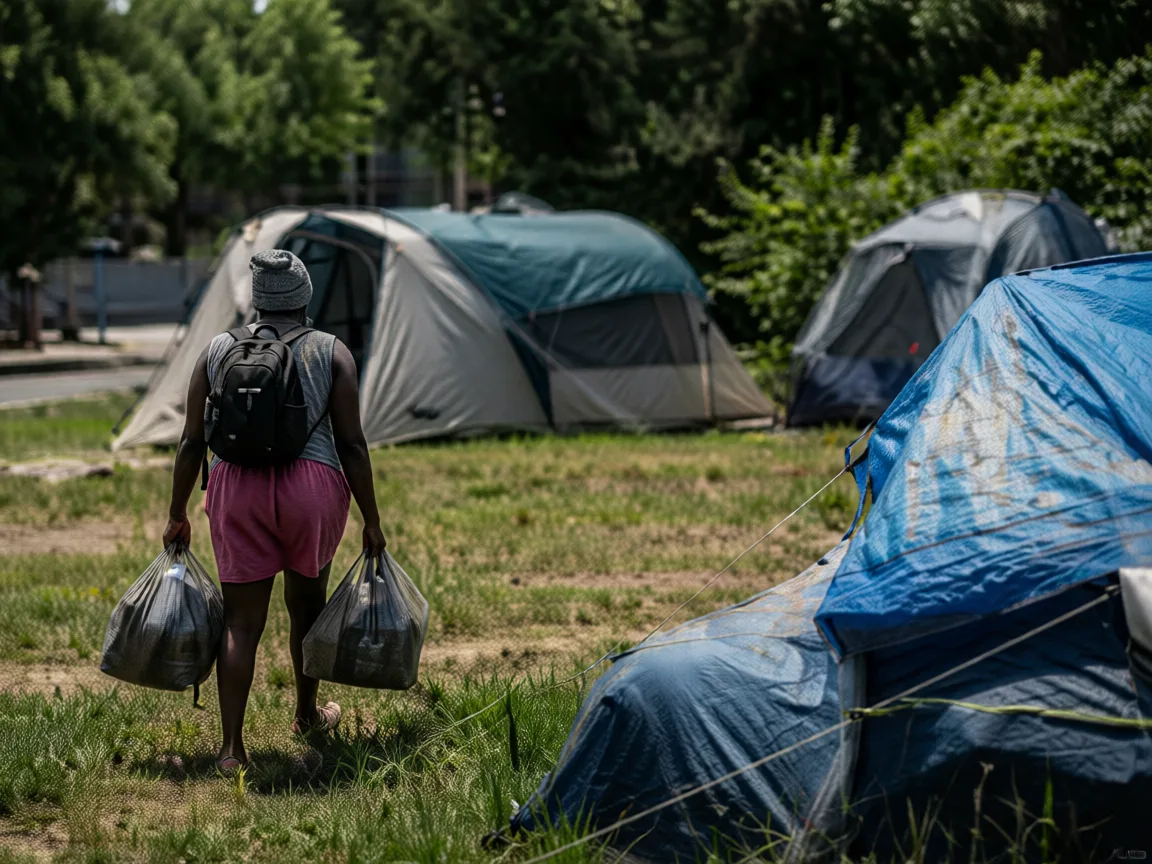
World Cup Clean-Up Exposes Atlanta's Homeless Brutality
Fifa preaches unity while Atlanta erases its unhoused population to stage football's grandest spectacle.
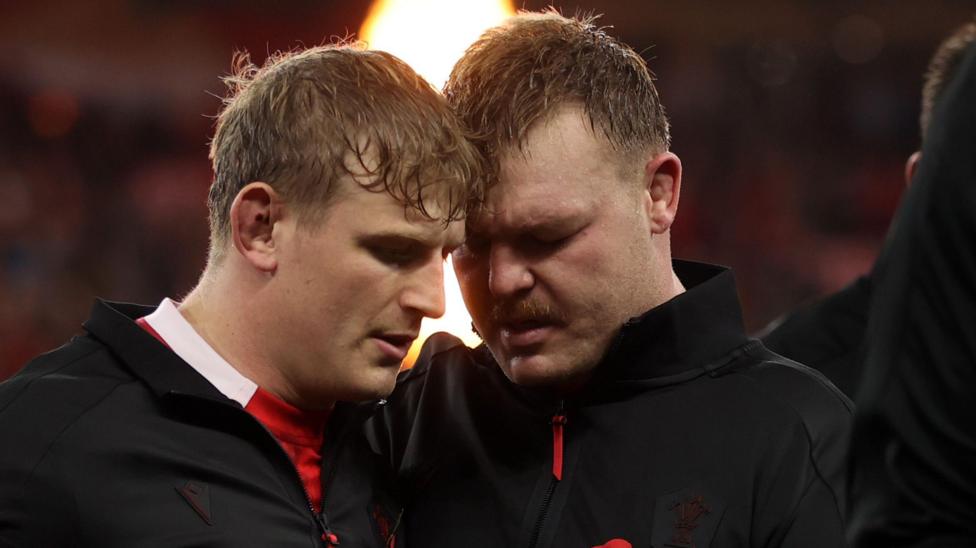
Morgan Endorses Lake's Wales Captaincy as Red Dragons Seek Stability
Jac Morgan throws full support behind Dewi Lake's retained Wales captaincy, signalling unity in a squad hungry for revival.