World Cup Clean-Up Exposes Atlanta's Homeless Brutality
Fifa preaches unity while Atlanta erases its unhoused population to stage football's grandest spectacle.
Fifa's official rhetoric insists football unites the world. The unhoused community of Atlanta would like a word about which world, exactly, that happens to be.
In preparation for the 2026 World Cup, host cities across North America are engaging in the kind of urban sanitization thattournament organizers rarely mention in their glossy bid documents. Atlanta, one of the marqueevenues for the expanded 48-team tournament, is now ground zero for a controversy that makes a mockery of the sport's pretensions to universal inclusion. The city's unhoused residents are being systematically displaced, pushed out of downtown cores and shuffled to peripheral holding facilities that those affected describe in terms more suited to disaster relief than civic support.
A lot of our community has been pushed out by the World Cup. We're not just dollar signs, we're more than that. We're people and we're frustrated that they've chosen to treat us less than human.
The testimony from affected residents is damning. One man described being transported to what authorities are calling service centres in the middle of the night, only to find a facility that bore no resemblance to a shelter. His account is as bleak as anything you will read in football journalism this year.
They dropped me off there in the middle of the night. They call them Mormon centres or whatever, but it ain't nothing but a warehouse of cops. It looked like a Fema camp. When I saw it, I left, I walked all the way back here. It's because of the World Cup. They're trying to make it look good for tourists. They don't want the eyesores around.
The Machinery Of Erasure
What is happening in Atlanta is not an accident or an unfortunate byproduct of event logistics. It is a policy choice, executed with the complicity of local authorities who have decided that the optics of a picturesque host city matter more than the lives of people who have nowhere else to go.
The mechanism is familiar to anyone who has followed the history of mega-event hosting. The International Olympic Committee and Fifa have long operated with an implicit understanding that host cities will deliver a certain aesthetic. That aesthetic does not include visible poverty, encampments, or the residents who have fallen through the gaps of America's threadbare social safety net. The compact is clear: deliver a sanitized canvas for the broadcast, or risk the consequences of not meeting expectations.
Atlanta's case is particularly corrosive because the city has spent years grappling with a homelessness crisis that predates any World Cup bid. The decision to use the tournament as a pretext for displacement exposes something that local advocates have long suspected: the city had the capacity to act. It simply lacked the political will until the cameras were coming.
The Scale Of Displacement
- Exact figures on the number of people displaced remain difficult to verify, as city officials have not published transparent data on relocation efforts.
- Advocacy groups report that the sweep has concentrated on areas near Mercedes-Benz Stadium, the 72,000-seat venue that will anchor Atlanta's World Cup hosting duties.
- Similar patterns have been documented in previous host cities, including Rio de Janeiro in 2014 and Cape Town in 2010, where informal settlements were cleared in the run-up to the tournament.
The Bottom Line: Atlanta had tools to address homelessness long before Fifa came calling. It chose to deploy them only when the occasion demanded a certain kind of optics.
Fifa's Convenient Blindness
Fifa cannot claim ignorance here. The organization has been around the block enough times to know exactly what happens when a host city decides to clean house for a mega-event. The pattern is well-documented across continents and decades.
What Fifa offers instead is plausible deniability. The governing body sets standards, hosts commit to meeting them, and the messy business of human displacement is left to municipal authorities who are only too happy to have a scapegoat. When criticism arrives, Fifa points to its social programmes and legacy initiatives. Host cities point to the economic windfall and global exposure. The unhoused, predictably, are left pointing at nothing.
The rhetoric of inclusion that Fifa deploys is not merely hollow. It is actively harmful, because it provides moral cover for the very policies that exclude the most vulnerable. Football does not bring the world together when it facilities the erasure of people who are already living at the margins.
The Numbers That Matter
- 2026 will be the first World Cup hosted across three nations, with 16 host cities across the United States, Mexico, and Canada.
- Atlanta's tournament role is projected to generate an estimated $500 million-plus in local economic impact, according to pre-bid projections.
- Yet a single night of homelessness in metro Atlanta already costs the region millions in emergency services, hospital visits, and policing, numbers that local officials rarely cite when discussing World Cup windfalls.
Verdict: Fifa's silence on displacement is not neutrality. It is complicity dressed up as governance.
The Economics Of Visibility
The World Cup in Atlanta is projected to generate significant revenue for local businesses. Hotels, restaurants, and bars stand to benefit enormously from the influx of tourists. But the economic argument cuts both ways, and it is the dispossessed who bear the costs that never appear in impact studies.
The man who walked back from the facility described as a Fema camp did not do so out of stubbornness. He did so because what was offered was not shelter. It was containment. The distinction matters, and it is one that city officials have been reluctant to address in public statements about World Cup preparations.
What Atlanta is doing is not solving homelessness. It is moving the problem to a location where visitors with disposable income are less likely to encounter it. The strategy relies on the assumption that the displaced will simply disappear from view, and that the tournament will proceed without the discomfort of visible poverty in the background of fan zones and broadcast shots.
This is not a novel strategy. It has been deployed in numerous cities before Atlanta, and with varying degrees of intensity. What makes Atlanta's case particularly notable is the stark language used by those affected, and the clear connection they draw between their displacement and the imminent arrival of the tournament.
It's because of the World Cup. They're trying to make it look good for tourists. They don't want the eyesores around.
verdict: You cannot declare football a force for global unity while using the sport's showcase to warehouse people you would rather not see.
The Broader Pattern
Atlanta is not an aberration within the context of mega-event hosting. The city's approach fits comfortably within a well-established pattern of urban displacement that has accompanied previous World Cups, Olympic Games, and continental championships across multiple continents.
In 2014, Brazil hosted the World Cup amid widespread protests over forced evictions in Rio de Janeiro and São Paulo. In 2010, South Africa's World Cup preparations involved the clearance of informal settlements near stadium sites. In 2016, the Rio Olympics prompted familiar cycles of displacement that drew condemnation from human rights organizations worldwide.
The United States, which presents itself as a liberal democracy with robust protections for civil liberties, is now engaging in the same practices. The context differs from Rio or Cape Town in scale and legal framework, but the fundamental dynamic is identical: mega-event hosts prioritize the visual experience of visitors over the material conditions of residents who are already marginalized.
What Past Tournaments Reveal
- 2010, South Africa: Informal settlements near stadium sites were cleared, with affected residents relocated to temporary housing far from central areas.
- 2014, Brazil: An estimated 200,000 people were displaced or evicted across host cities, according to housing rights groups tracking the tournament's impact.
- 2018, Russia: Authorities undertook clearance of street vendors and homeless populations near fan zones, although the scale was less documented than in previous tournaments.
The Bottom Line: The Atlanta clean-up is not an American invention. It is a page from a well-worn playbook.
What Comes Next
The 2026 World Cup will arrive regardless of criticism, and the matches will be played to packed stadiums and global television audiences. The question is whether the displacement of vulnerable people will become part of the story or remain a footnote.
For now, the accounts from Atlanta are stark enough to warrant serious attention. People are being moved in the middle of the night. Facilities are being described as warehouses and camps. City officials are not offering transparent accounting of how many people have been displaced, where they have been sent, or what services are actually available to them.
These are not the markings of a city preparing to celebrate. They are the markings of a city preparing to conceal. And the difference between the two is precisely the gap between Fifa's rhetoric and the reality that the unhoused of Atlanta are living through every night before the tournament begins.
Football does not bring the world together when it requires the removal of the people the world would rather not see. The sport's defenders will argue that the World Cup is a once-in-a-generation opportunity, and that the benefits justify the disruption. The people sleeping on Atlanta's streets, or in the spaces where they used to sleep, are in no position to enjoy those benefits.
We're not just dollar signs, we're more than that. We're people.
That statement should not be radical. In the context of the 2026 World Cup, it already feels like a provocation.
Verdict: If football truly unites the world, it cannot afford to make the world's most vulnerable disappear from the frame.
Editorial Integrity
This is an original SportPulse article written by our editorial team. All content is independently researched, written, and reviewed by our writers and editors before publication. We do not publish copied, aggregated, or syndicated content.
SportPulse is committed to original sports journalism. Read our editorial policy or contact us with any questions.
More Like This
All long-reads
The Doctor Healing Curacao's World Cup Dream
Dr Suzanne Huurman leads medical staff for the World Cup's smallest ever team, steering Curacao into uncharted footballing territory.
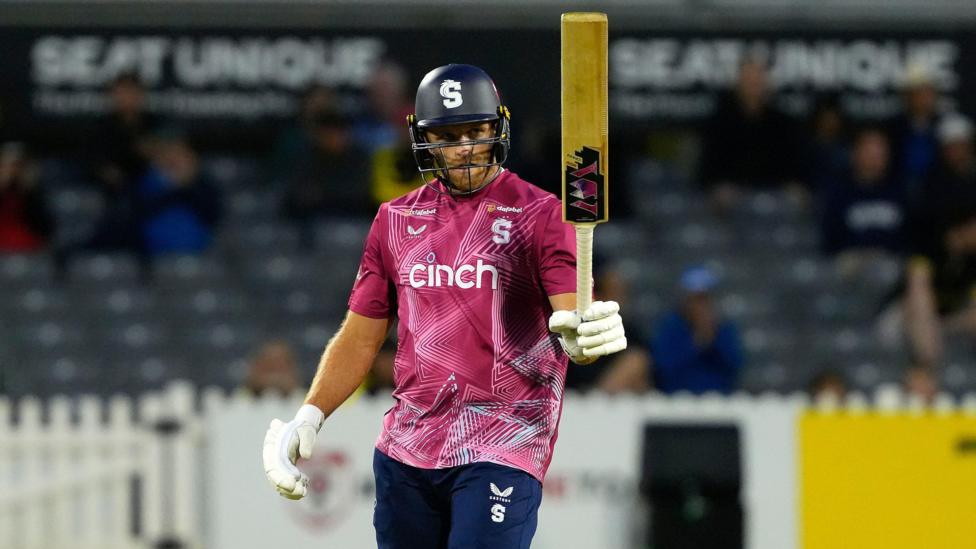
Northants Steelbacks Keep Perfect T20 Blast Record Alive
Northamptonshire Steelbacks extend their flawless T20 Blast campaign with a statement win at Bristol against Gloucestershire.
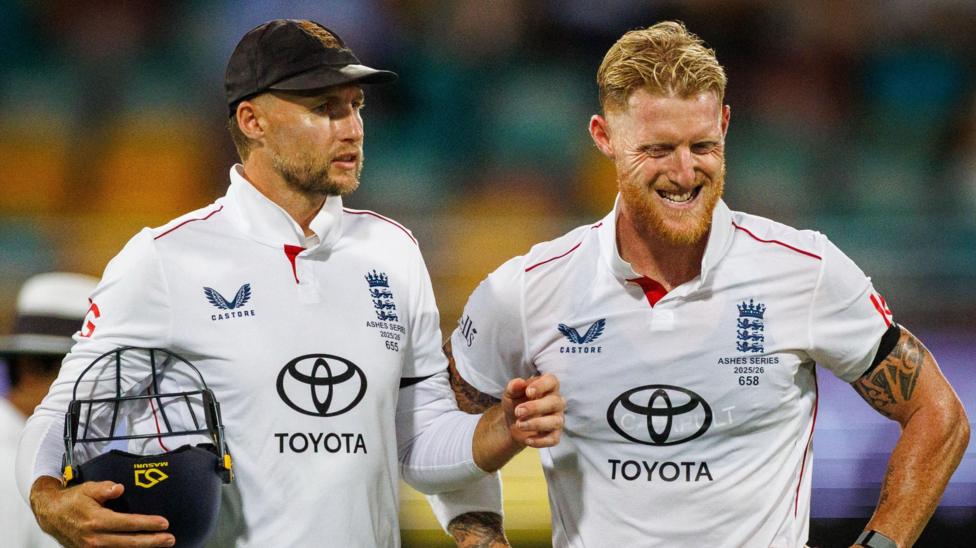
England's Emergency Recall: Why Root Is the Only Logical Choice
With Ben Stokes sidelined, England turn back to their most experienced hand in Joe Root as interim Test captain.