When the Golden Generation Went Flat: England's 2006 World Cup Bust
England's 2006 World Cup campaign turned a golden generation into a cautionary tale of ego, tactics, and unfulfilled hype.
The summer of 2006 was supposed to belong to England. A squad brimming with Ballon d'Or nominees, Champions League winners, and global superstars descended on Germany with genuine conviction. The tabloids called it destiny. The fans sang it from the terraces. The players believed it in their bones. Instead, it became the tournament where a golden generation lost its shine completely.
England arrived in Germany carrying the weight of 40 years of hurt, but also a swagger not seen since 1966. The era of WAGs in Baden-Baden, paparazzi flashbulbs, and commanding Premier League reputations created an aura of inevitability. This was a team that looked devastating on paper. The fall, however, was brutal and deeply instructive.
The Roster That Demanded Glory
Look at the names on that teamsheet. Steven Gerrard, fresh off an iconic Istanbul comeback. Frank Lampard, the deadliest scoring midfielder in English top-flight history. Wayne Rooney, the boy wonder expected to terrorize world defenses. John Terry, the immovable Chelsea wall. Ashley Cole, the premier left-back in Europe. Rio Ferdinand, elegance personified at the back.
This was not a team short on individual brilliance. Across the pitch, England possessed match-winners who had conquered the domestic scene multiple times over. The Premier League was rapidly becoming the wealthiest and most watched league on the planet. These players were its undisputed marquee acts.
Yet international football demands a synthesis of talent that England simply never found. The sum of these spectacular parts consistently produced a fragmented, uninspiring whole. The 2006 World Cup was the tragic proof of that failure to mold individuals into a cohesive unit.
Tactical Paralysis Under Sven
Manager Sven-Göran Eriksson had the keys to a Ferrari but drove it like a Student Driver. His tenure was defined by a refusal to make the difficult decisions. The most glaring issue was the obsession with playing Gerrard and Lampard in the same central midfield. It was a compromise that neutralized the defining strengths of both players.
Lampard was a freight train arriving late into the box, a 20-goal-a-season midfielder for Chelsea. Gerrard was a dynamic box-to-box force who thrived on emotional momentum and explosive surges. Together, they stepped on each other's toes, neither willing or able to hold the positional discipline required for a two-man pivot. The result was a midfield that lacked control and rhythm.
Eriksson compounded his errors by deploying a 4-4-1-1 system that hung Rooney out to dry. Still recovering from a broken metatarsal suffered in April, Rooney was forced to lead the line alone. It was a physically compromised talisman forced into a role that demanded peak physical conditioning. The system served the star names rather than the collective good.
The Baden-Baden Distraction
Beyond the tactics, the 2006 campaign was heavily defined by the off-field circus. The WAGs (Wives and Girlfriends) turned the sleepy spa town of Baden-Baden into a paparazzi feeding frenzy. Daily shopping expeditions, luxury spa visits, and high-profile nights out dominated the British press coverage. The football felt secondary to the melodrama.
Coach Steve McClaren later admitted the environment was deeply problematic. The spotlight generated an intense pressure cooker that shifted focus away from the training pitch. It built an insular bubble where perspective easily evaporated. Below the surface, the squad's mentality was eroding under the weight of its own celebrity.
In the bowels of the Gelsenkirchen stadium following the elimination, the England dressing room was a mixture of stunned silence and raw frustration. Players sat motionless, staring at the floor. Others booted water bottles across the room, raging at missed opportunities. The German supporters cheering outside echoed through the thin walls of the away changing room. It was a desolate, hollow atmosphere. The dream was dead.
The Paraguay and Trinidad Stumble
The group stage exposed the fatal flaws early. A scrappy 1-0 win over Paraguay, courtesy of an own goal, set an underwhelming tone. Then came the embarrassment against Trinidad and Tobago. For 83 minutes, England labored against Caribbean minnows who defended with their lives. It took a late double from Crouch and Gerrard to finally break the deadlock.
The final group game against Sweden exposed deeper defensive fragilities. A 2-2 draw featured calamitous set-piece marking. Joe Cole scored a worldie, but the inability to handle physical, direct opposition was glaring. The back four, so formidable at club level, looked brittle under sustained international pressure. It was a pattern that would seal their fate.
Eriksson's Swiss Miss
The Round of 16 clash against Ecuador in Stuttgart offered no reprieve. It took a moment of absolute brilliance from David Beckham to break the deadlock. A swirling, dipping free-kick in the 60th minute was Enough to secure a 1-0 win. Beckham became the first England player to score in three separate World Cup tournaments. But it disguised another painfully rigid, unimaginative performance. The team looked terrified of expressing themselves.
The Quarterfinal That Broke the Spirit
Then came the quarterfinal against Portugal in Gelsenkirchen. A clash that remains etched in English footballing infamy. Rooney lost his cool in the 62nd minute, stamping on Ricardo Carvalho's groin. A red card shattered any remaining equilibrium. As Rooney trudged down the tunnel, Cristiano Ronaldo, his Manchester United teammate, winked at the Portuguese bench. The gesture instantly became the defining image of English elimination.
Reduced to ten men, England somehow clung on for 60 minutes of extra time. Peter Crouch and Aaron Lennon entered the fray to stretch the play. A desperate, rearguard action against a superior passing side ground the game down to a penalty shootout. It was survival mode against a team they were supposed to outclass from the start.
The shootout was an exercise in inevitability for anyone who followed English football. Lampard, Gerrard, and Jamie Carragher all missed from twelve yards. Goalkeeper Ricardo saved brilliantly from Gerrard and Carragher. When Cristiano Ronaldo stepped up to slot the winning penalty, the curse was fully realized. England walked away from Germany with absolutely nothing to show for their golden generation.
What It Means
The 2006 World Cup was not just a tournament exit. It was a funeral for a generation's defining promise. The players returned to their clubs and continued to dominate European domestic football. They won Premier League titles and lifted the Champions League trophy. But together, in an England shirt, they were fundamentally less than the sum of their parts.
The fallout was swift and decisive. The Football Association had already announced Eriksson's departure before the tournament began. Steve McClaren inherited a squad in desperate need of a reset. Instead of a rebuild, he attempted a meek continuation that ended in failure to reach Euro 2008. The golden generation was officially buried in the rubble of a failed campaign.
The legacy of 2006 is a permanent cautionary tale in English football. It taught the FA that you cannot parachute club egos into a national setup and expect automatic chemistry. It proved that accommodating star names at the expense of tactical balance guarantees failure. It demonstrated that celebrity culture and tournament football make terrible bedfellows. Modern England squads, from 2018 onwards, have deliberately rejected the circus. They are younger, more cohesive, and far less intoxicating on paper. The painful ghost of 2006 ensures that potential means absolutely nothing on the biggest stage.
Editorial Integrity
This is an original SportPulse article written by our editorial team. All content is independently researched, written, and reviewed by our writers and editors before publication. We do not publish copied, aggregated, or syndicated content.
SportPulse is committed to original sports journalism. Read our editorial policy or contact us with any questions.
More Like This
All football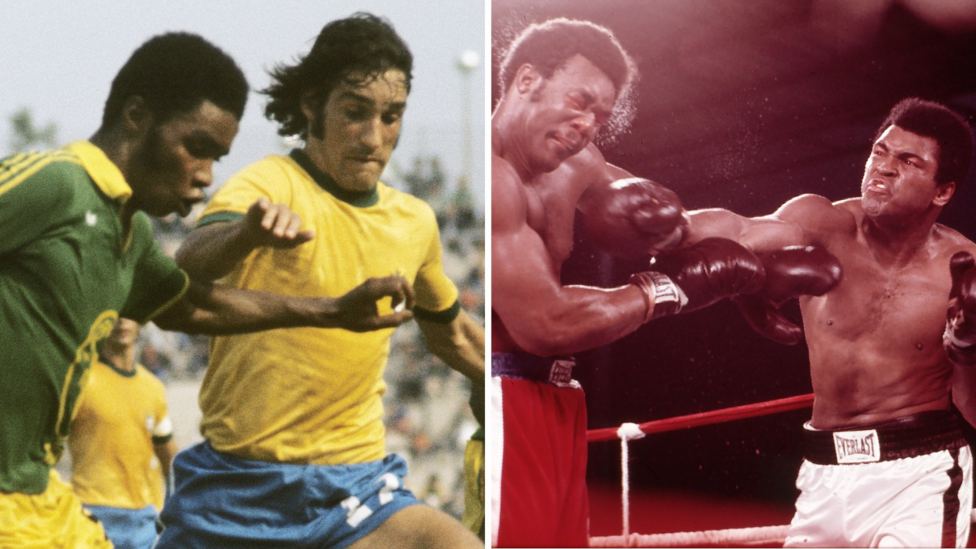
Kinshasa's Second Act: DR Congo Chase World Cup Redemption 52 Years On
DR Congo's 2026 World Cup bid carries the weight of a 1974 disaster and boxing's greatest night.

Argentina's 3-2 Comeback Against Egypt: A Tactical and VAR Deep Dive
Argentina's 3-2 comeback against Egypt exposes a tactical chess match overshadowed by a decisive and highly contentious VAR intervention.
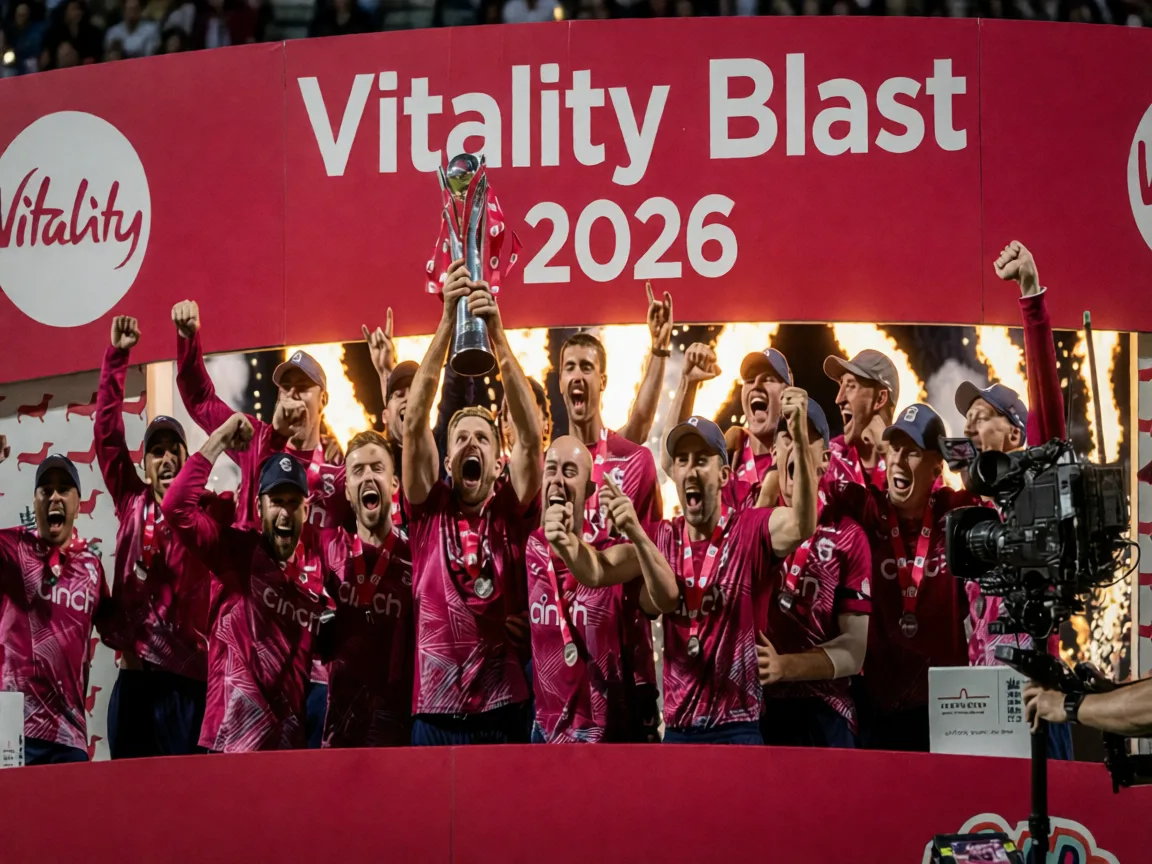
Steelbacks Stun Hampshire in Edgbaston Epic for Third T20 Blast Crown
Northamptonshire carved their name into T20 Blast folklore with a nerveless display against Hampshire under Edgbaston's lights.