England's Attacking Promise Collides With Ghana's Brick Wall
Tuchel's Three Lions offered nothing against a resolute Ghana side, turning early World Cup momentum into concern.
No Surge, Just Stodge
Thomas Tuchel arrived at the 2026 World Cup with a clear mandate and an opening statement to match. England's 4-2 demolition of Croatia in their Group L curtain-raiser was everything the FA wanted when they appointed the German: aggressive, front-foot, ruthless in transition. Against Ghana on matchday two, that version of England vanished.
David Hytner, reporting from Boston Stadium, captured the mood in a single word: stodge. England laboured. They probed without conviction. Against an ultra-defensive Ghana setup that had clearly come to absorb pressure and frustrate, the Three Lions mustered almost nothing of substance until the dying minutes.
The result? A match that will barely register in the highlight reels but could carry real weight in the group standings. It has also left fans debating whether England were fortunate not to have given away a penalty.
Ghana's Gameplan: Suffocate and Survive
Credit where it's due. Ghana arrived with a plan and executed it with discipline. The Black Stars sat deep, compressed the space between their defensive and midfield lines, and dared England to find a way through. They were happy to concede territory, happy to let Tuchel's side have the ball, and entirely comfortable watching England pass sideways without penetration.
This is not a new tactic against tournament favourites. Teams have been parking the bus against England since at least Euro 2016. What made this performance sting was that Tuchel's appointment was supposed to solve exactly this problem. His Chelsea sides broke down low blocks routinely. His tactical flexibility was the selling point.
None of it materialised at Boston Stadium.
The Tuchel Paradox Resurfaces
Here's the uncomfortable truth for England supporters. Tuchel's tactical genius has always come with a caveat: his teams can look utterly dominant one week and completely sterile the next. At Chelsea, the 2021 Champions League triumph was sandwiched between stretches of frustrating league form where the same players who dismantled Real Madrid couldn't break down Burnley.
The Croatia performance suggested England had moved past those inconsistencies. It featured quick combination play, aggressive pressing high up the pitch, and clinical finishing. Against Ghana, the pressing was passive, the combinations absent, and the finishing irrelevant because chances barely materialised.
The contrast was jarring. There were times when this looked like the goalless draw with the USA at the 2022 World Cup, or the misshapen stalemate with Denmark in Frankfurt two years ago. For Tuchel, the worry was that the more passive patterns from the Gareth Southgate era had not quite been driven out of this team yet. The German was watching an England tradition, the difficult second tournament game, and as the hour approached it was possible to see Tuchel becoming increasingly agitated on the touchline.
"England's idea was to maintain the momentum they had generated in the 4-2 win over Croatia but there was no surge here. Only stodge." — David Hytner, The Guardian
Where Did the Creativity Go?
England were predictable and turgid for long spells against a determined Ghana side who earned their point with an exhibition of purest Queiroz-ball. There was no caustic half-time interview from Anthony Barry, no stunning second-half surge. Instead, after the freewheeling attacking play that saw off Croatia last week, this felt familiar. This felt anxious. In the cramped football and sideways passing, this felt more England.
England's attacking struggles against deep-sitting African sides at World Cups are becoming a pattern. At Qatar 2022, the USA held them to a 0-0 group-stage draw with a similar low-block approach. Ghana themselves troubled England in group play at the 2010 World Cup in South Africa.
The issue is structural as much as it is tactical. England's creative players thrive in transition, in the spaces that open when opponents push forward. When those spaces don't exist, when the opposition is happy to sit on the edge of their own box with ten men behind the ball, England's attacking machinery seizes up. They created nothing until a late flurry of chances, and when it was over it was tempting to wonder if the reaction from the crowd would have been more negative if it had been Southgate rather than Tuchel standing in the technical area at Boston Stadium.
Tuchel needs to find a Plan B for these moments. Overloading wide areas, deploying a second striker to create overloads centrally, using set pieces as a primary weapon rather than an afterthought. The solutions exist. Implementing them in real-time during a World Cup group match is another matter entirely.
The Dressing Room After the Whistle
The atmosphere in the England camp post-match will have been tense but measured. Tuchel is not a manager who rants and raves after poor performances. He dissects. He diagrams. He presents the problems and demands solutions.
Players who featured in the Croatia demolition will have been left wondering where their teammates from that performance disappeared to. The body language in the closing stages, when England finally generated a handful of half-chances, suggested urgency but also anxiety. Urgency because they knew the clock was running out. Anxiety because they could feel the group tightening.
Ghana's dressing room, by contrast, will have been buoyant. A point against England at a World Cup is never to be sniffed at, especially for a squad that entered the tournament as Group L underdogs. Their defensive discipline was outstanding, their concentration levels maintained for the full 90 minutes in what must have been physically and mentally exhausting conditions.
Group L Implications
England entered matchday two riding the wave of that Croatia rout. A win over Ghana would have put them in commanding position to top the group with a game to spare. Instead, the equation becomes more complex.
The 4-2 victory over Croatia still gives England a healthy goal difference cushion, but dropping points here means the final group match carries genuine pressure. Depending on other results, England could need a win in their last outing to guarantee top spot and what would theoretically be a kinder Round of 32 draw.
Ghana, meanwhile, have transformed their group-stage outlook. A point against the group favourites, combined with whatever they managed in their opening fixture, gives them a realistic path to the knockout rounds. Their remaining fixture will be approached with genuine confidence.
What It Means
England's stodgy display against Ghana is not a crisis. It is a reminder. Tournament football punishes complacency and rewards defensive organisation. Ghana executed their plan to near perfection, and Tuchel's side had no answer for long stretches of the match.
The real test comes next. How Tuchel adjusts his approach against deep-sitting opponents will define England's ceiling at this World Cup. The Croatia performance proved the talent is there. The Ghana performance proved the tactical flexibility still needs work.
For a manager hired specifically to solve these problems, that's a pressure point worth watching as the group stage reaches its conclusion.
Updated: 2026-06-27 — Added details of Tuchel's touchline agitation, the team's lack of creativity, and comparisons with Southgate-era performances.
Update:
新增了德克兰·赖斯对0-0战平加纳比赛的赛后积极评论
Editorial Integrity
This is an original SportPulse article written by our editorial team. All content is independently researched, written, and reviewed by our writers and editors before publication. We do not publish copied, aggregated, or syndicated content.
SportPulse is committed to original sports journalism. Read our editorial policy or contact us with any questions.
More Like This
All football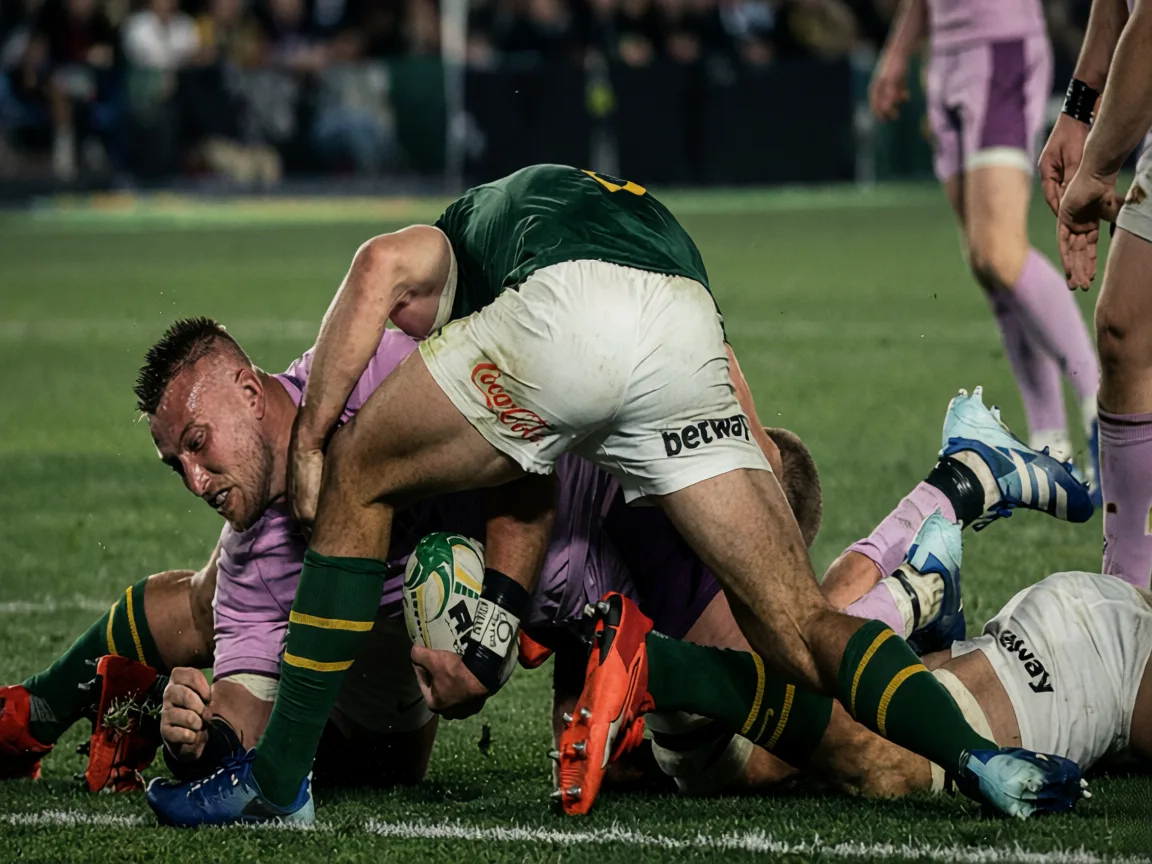
Scotland's Four Tries Not Enough Against Springbok Depth
Scotland scored four tries at Loftus Versfeld but South Africa's rotated squad still proved too relentless in a 42-28 Nations Championship thriller.
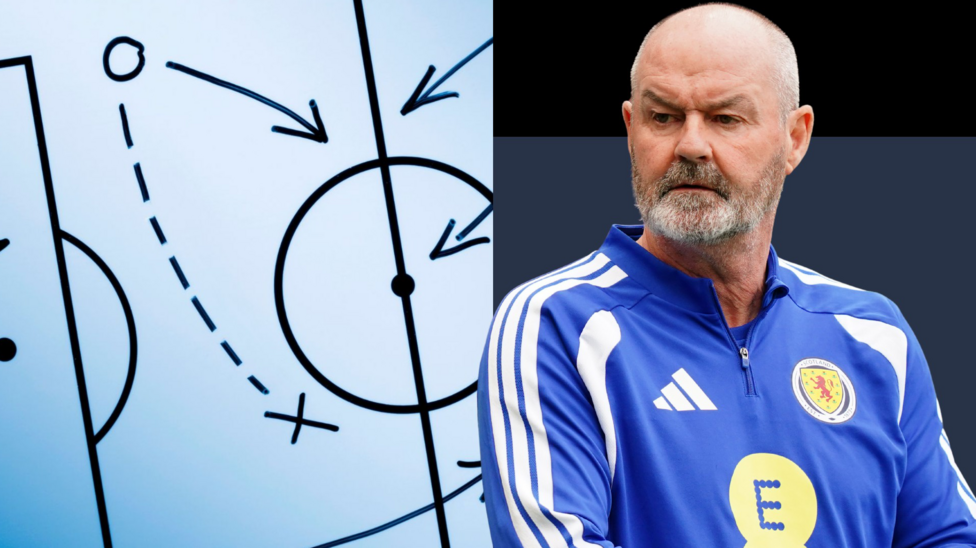
Clarke's Selection Chess Match Ahead of Brazil Showdown
Steve Clarke faces defining lineup decisions as Scotland prepare for one of their biggest ever tests against Brazil.
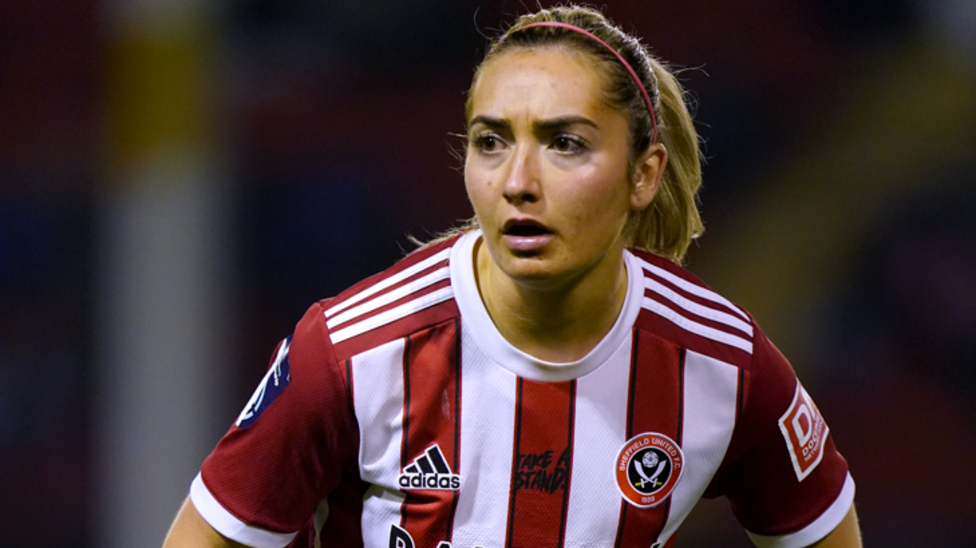
'Psycho' Slur, Anxiety, and a Death: Inside the Cusack Inquest
Teammate testimony reveals Maddy Cusack feared the manager's arrival at Sheffield United before her death aged 27.