England v Mexico Tickets Resold for £26k as Fans Exploit FIFA Portal
England fans flip last-16 tickets for up to £26,000 on FIFA's official resale portal, exposing the system's massive loopholes.
The £26,000 Seat
Tickets for England's last-16 clash against Mexico are being relisted for up to £26,000 on FIFA's official resale portal. The jaw-dropping figure represents a markup of roughly 8,500% above face value for a category-one ticket. What was designed as a safe, fan-friendly exchange has morphed into a supercharged secondary market operating under FIFA's own seal of approval.
The Women's World Cup is supposed to represent a breakthrough moment for the women's game, with record attendance figures and unprecedented global attention. Instead, the tournament's knockout phase is being overshadowed by a pricing scandal that exposes the massive holes in FIFA's ticketing infrastructure. England fans who secured seats at reasonable prices are now flipping them for small fortunes, exploiting a system that was never built to handle the surging demand of a growing tournament.
How the Portal Became a Black Market
FIFA launched its official resale platform to eliminate the predatory behaviour of third-party tout websites and unauthorised brokers. The system allows fans who cannot attend a match to relist their tickets at face value plus a minimal administrative margin. It was a closed-loop solution meant to protect supporters and ensure tickets reached genuine followers of the sport.
However, the portal's safeguards have proven hopelessly inadequate for measuring the true pulse of knockout-stage demand. Sellers have discovered they can list tickets at prices far beyond face value, turning the safeguard into a legalised scalping platform. The £26,000 relisting is not an isolated outlier; multiple seats for the England v Mexico fixture are live on the portal bearing four-figure and five-figure price tags.
The root cause appears to be a combination of technical oversight and unprecedented demand for England fixtures. The Lionesses' Euro 2022 triumph on home soil fundamentally altered the commercial profile of the women's game in England. Success has bred a new class of supporter, packing stadiums and driving prices to previously unimaginable levels.
The Demand Crisis Behind the Markups
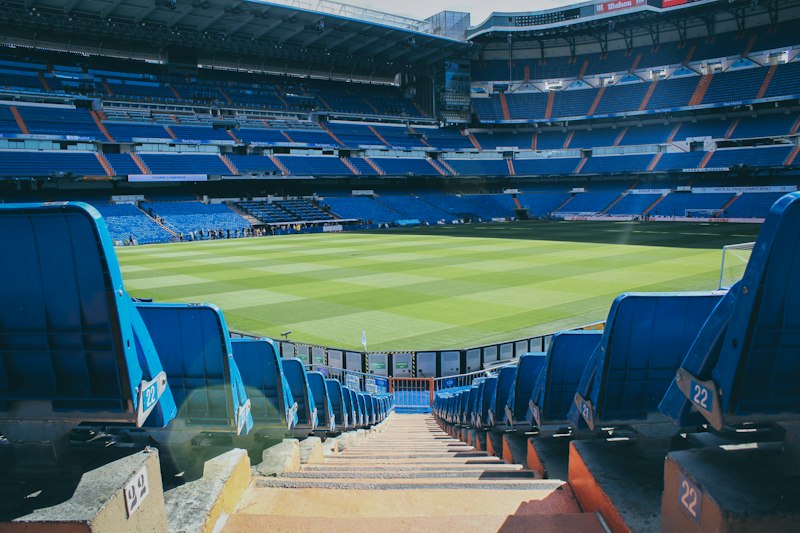
The enormous prices reflect a genuine supply-and-demand mismatch that FIFA seemingly failed to anticipate. England matches at major tournaments have always carried a premium, but the women's team has reached a level of popularity where ticket demand now rivals that of their male counterparts. The Royal Spanish Football Federation and FIFA themselves projected total attendance figures exceeding 1.5 million for this tournament.
Knockout football amplifies this pressure exponentially. A last-16 tie carries the spectre of a quarter-final, a semi-final, and the possibility of lifting the trophy. Fans are not just buying a game; they are investing in the narrative of a potential trophy run. When that demand meets a portal with no hard pricing cap, the result is £26,000 matchday seats.
The Psychological Shift in Women's Football
The commercialisation of the women's game has reached a tipping point, and the ticket resale scandal is the most visible symptom. Historically, women's football matches carried the burden of low attendance and minimal commercial interest. Matches were often played in smaller venues with tickets available for pennies, reflecting a societal dismissal of the sport's value.
That era is firmly over, replaced by a sold-out reality where demand consistently outstrips supply. However, the infrastructure, ticketing policies, and regulatory frameworks have failed to evolve at the same pace as the sport's popularity. FIFA's portal is designed for the measured demand of a tournament still finding its commercial feet, not for the fevered intensity of a sold-out global showpiece.
FIFA's Dilemma - Fix the Portal or Face the Backlash
The governing body now faces an impossible dilemma and a rapidly closing window to act. Intervening to void the £26,000 listings risks alienating the sellers who hold the tickets, but ignoring the scandal invites a massive public relations disaster. FIFA's stated commitment to growing the women's game is directly contradicted by a portal that prices out ordinary families.
The optics are particularly damaging for a tournament marketed as a celebration of accessibility and growth. When a single ticket costs more than a season ticket for a top Women's Super League club, the message is clear: the system is broken. The scandal taints what should be a milestone moment for the sport.
The Fan Experience in the Balance
Inside the England supporter sections, the atmosphere is one of tension and frustration. Groups of friends who travelled together for the group stages are now fractured, with some unable to justify the cost of a knockout ticket. The sense of community that defines England supporter culture is being damaged by the pricing explosion.
For every fan celebrating a last-16 berth, there are dozens staring at a phone screen, watching prices climb by the hour. The portal has become a casino where the house always wins and the ordinary fan always loses.
What It Means
The £26,000 ticket is a wake-up call for FIFA and every governing body invested in the growth of women's football. The sport's popularity has outgrown its regulatory infrastructure, creating a vacuum filled by opportunistic sellers. If FIFA does not implement hard price caps and robust verification on its resale portal, it risks permanently alienating the very fans who drove the sport's growth.
The England v Mexico match will be remembered for what happens on the pitch, but the £26,000 seat listing will linger as a symbol of the sport's growing pains. Ticketing scandals of this nature do not merely harm a single matchday experience; they actively erode the trust of the next generation of supporters.
The fight has moved off the pitch and onto the servers of FIFA's portal. The question is whether the governing body has the courage to fix it before the kick-off.
Editorial Integrity
This is an original SportPulse article written by our editorial team. All content is independently researched, written, and reviewed by our writers and editors before publication. We do not publish copied, aggregated, or syndicated content.
SportPulse is committed to original sports journalism. Read our editorial policy or contact us with any questions.
More Like This
All football
The World Cup Final Halftime Show Nobody Requested
FIFA isSuper Bowl-ifying the 2026 World Cup final with a star-studded halftime show that breaks football's own rules.

Sutton's World Cup 2026 Predictions: Belgium Facing Group Stage Exit
Chris Sutton's final group game predictions signal trouble for Belgium's golden generation at the 2026 World Cup.
Argentina Face Switzerland With England Semi Final Looming Large
Lionel Messi makes his 205th cap as unchanged Argentina target a World Cup semi final against England.