England Through: How Tuchel's Side Survived the Group Stage Grind
Uruguay's collapse against Spain handed England a knockout berth Tuchel's tactical rigidity nearly cost them.
A Qualification Written by Others
England are through to the last 32 of the World Cup, but the confirmation arrived not through their own authority but through the collapse of others. Uruguay's defeat to Spain in Group H, combined with Cape Verde's draw with Saudi Arabia, sealed Marcelo Bielsa's side into third place with a record inferior to Thomas Tuchel's group. With third-placed South Korea, Senegal, and Scotland already unable to match England's points tally, the mathematics became undeniable.
The confirmation, however, raises a more uncomfortable question than the one it answers. England are through, yes, but the manner of their progression tells a story of a team that has leaned on the tournament's expanded format rather than bent it to their will. In a 48-team World Cup with 32 teams advancing, the safety net is wide. England used every inch of it.
Tuchel's Structural Conservatism
From the opening match, Tuchel's tactical blueprint has been unmistakable. The German coach has favoured a 3-4-2-1 shape that prioritizes defensive solidity over attacking fluency, a structure that mirrors his Chelsea Champions League-winning approach rather than the expansive football England fans have long craved from international tournaments.
The wing-backs provide width in possession but collapse into a 5-4-1 block without the ball, compressing the space between the lines and forcing opponents into low-percentage crosses. Against physical sides in the group, this worked well enough. England conceded sparingly, controlled territory through disciplined positioning, and punished transitions with direct balls into the channels.
But the trade-off has been visible. England's build-up play has lacked the vertical incision needed to break down organized defences in sustained possession phases. The creative burden has fallen disproportionately on the number 10s operating in the half-spaces, with the central midfield pairing offering screening rather than progression. Tuchel has essentially asked England to win ugly, and they have obliged, though not always successfully.
The Group Stage in Numbers
The statistical profile tells the story of a team comfortable in control but uncomfortable in chaos:
- England averaged 58% possession across their group matches, a figure that suggests dominance without always translating it into chances
- Their expected goals output has underperformed the raw shot volume, indicating a reliance on low-quality attempts from distance rather than constructed openings
- The pressing intensity has been notably conservative, with a high press triggered selectively rather than sustained across phases
This is vintage Tuchel. The man who once described his defensive shape as "a cage that moves" has built exactly that in England's setup. The question is whether a cage is enough to survive knockout football where margins collapse to single moments.
The Panama Match: Dead Rubber or Dress Rehearsal?
England face Panama on Saturday with qualification already secured, and Tuchel faces his first genuine squad management dilemma of the tournament. Rotate heavily and risk losing the tactical rhythm that has carried the group stage, or maintain the XI and gamble with fatigue and potential suspension accumulation before the knockout rounds.
Panama are eliminated and playing for pride, which historically produces two outcomes: a deflated performance ripe for exploitation or a liberated side playing with nothing to lose. Tuchel will be wary of the latter. A Panama side unshackled from consequence could expose the vulnerabilities in England's defensive transitions, particularly the spaces behind the wing-backs when they push high.
The smarter play, from a tactical perspective, is selective rotation. Keep the defensive spine intact, particularly the centre-back trio and the goalkeeper, but refresh the wing-backs and one of the two number 10s. This preserves the structural identity while distributing minutes and giving fringe players competitive sharpness ahead of the knockout phase.
"We wanted to control our own destiny, and we have done that through the quality of our defensive organization. Now the tournament really begins."
What Spain's Dismantling of Uruguay Tells England
The result that confirmed England's passage also provided a blueprint for their potential knockout opponents. Spain's victory over Uruguay was not merely a scoreline; it was a tactical demonstration of how to dismantle a Bielsa side through patient positional play and aggressive midfield pressing.
Spain overloaded the central corridors, dragging Uruguay's defensive block apart through constant positional rotations. Bielsa's man-oriented pressing was bypassed by players drifting between zones rather than occupying fixed positions, creating the kind of disorganization that a reactive block cannot survive.
England should take notes, because the knockout rounds may well pit them against opponents capable of replicating Spain's approach. Tuchel's 3-4-2-1 is designed to absorb pressure, but it requires the midfield two to maintain discipline under sustained positional manipulation. Against elite technical sides, that midfield screen can be stretched and split.
The Knockout Draw Implications
Finishing as a best third-placed team, or even as group runners-up depending on the final standings, means England's path through the bracket is unlikely to be kind. The expanded format has produced a knockout tree where traditional powerhouses cluster on one side, and a third-place finish typically seeds a team into the tougher half.
This is where Tuchel's pragmatism could become either England's greatest asset or their fatal limitation. His Champions League pedigree is built on knockout football, on understanding that a single tactical adjustment at half-time can flip a tie. But that Chelsea run also benefited from a squad depth that England, with its limited substitution options and FIFA roster constraints, cannot fully replicate.
The Deeper Concern
England's qualification, while welcome, papers over a structural anxiety. The team has not demonstrated the ability to control a match from the front foot against a side willing to press high and contest possession. Their group-stage opponents largely sat deep and absorbed, allowing England to dictate tempo without ever being truly tested in the kind of sustained positional battle that defines modern international football.
The knockout rounds will demand more. Tuchel knows this. His tactical adjustments in the second half of group matches, subtle shifts in pressing triggers and wing-back positioning, suggest a coach already thinking two rounds ahead. But subtlety has a ceiling. At some point, England will need to impose themselves through attacking intent rather than defensive resilience, and the evidence that Tuchel's system can generate that intent remains thin.
What Comes Next
The Panama match on Saturday is, in purely tactical terms, the least significant fixture England will play from here on out. But it offers Tuchel a laboratory. He can trial the 4-2-3-1 shape that has surfaced in training reports as an alternative structure, test whether a single pivot can screen the defence as effectively as the double pivot, and experiment with a more advanced role for one of his deeper-lying creators.
The real test begins in the last 32, where England will face an opponent with the tactical sophistication to probe every weakness Tuchel's conservative system has exposed. England are through, and that matters. But in a tournament designed to reward the brave, Tuchel's England have yet to show they can be anything other than cautious.
The knockout stage awaits. So does the reckoning.
Editorial Integrity
This is an original SportPulse article written by our editorial team. All content is independently researched, written, and reviewed by our writers and editors before publication. We do not publish copied, aggregated, or syndicated content.
SportPulse is committed to original sports journalism. Read our editorial policy or contact us with any questions.
More Like This
All football
More Than a Match: Morocco vs Netherlands Is a Diaspora Derby Decades in the Making
When Morocco meet the Netherlands in Monterrey, it's not just a knockout tie — it's a generational reckoning.

McMenamin Dumps St Mirren for Coleraine Homecoming
Northern Ireland international Conor McMenamin exits St Mirren to seal a long-term return to the Irish Premiership with Coleraine.
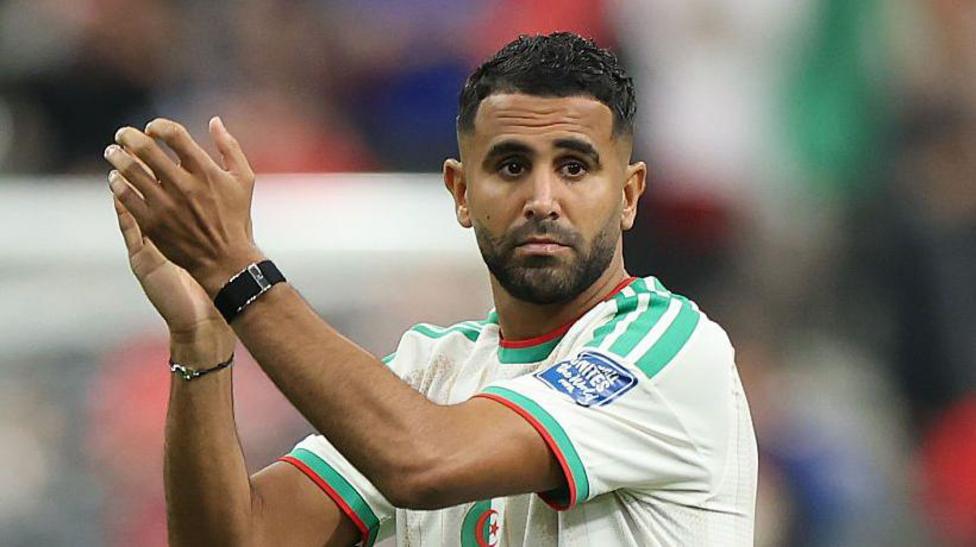
Mahrez Retires from Algeria Duty After World Cup Exit
Riyad Mahrez's international retirement after Algeria's World Cup defeat marks the end of a tactical era built around his right-flank superiority.