England's Striker Drought: The Vanishing Number Nine Behind Harry Kane
England once had strikers queuing for caps. Now Harry Kane stands alone. What happened to the country's greatest export?
The Loneliest Position in English Football
There was a time when England could stock an entire squad with centre-forwards and still leave a world-class striker at home. Les Ferdinand, one of the Premier League's most lethal finishers across the 1990s, retired from international football with just 17 caps. Seventeen. A man who scored 149 top-flight goals was a footnote in the Three Lions' story.
Fast forward to today and the landscape is unrecognizable. Behind Harry Kane, who has amassed over 80 caps and sits as England's all-time leading scorer, the cupboard is alarmingly bare. The nation that invented the centre-forward now struggles to produce one worthy of wearing the shirt.
This isn't a slow fade. It's a full-scale collapse of a position that once defined English football.
When Strikers Were Currency
Cast your mind back to the mid-to-late 1990s and the early 2000s. England managers didn't have selection headaches at centre-forward. They had migraines. Alan Shearer and Michael Owen were the first-choice pairing, but behind them sat Teddy Sheringham, Andy Cole, Robbie Fowler, Emile Heskey, Kevin Phillips, and the aforementioned Ferdinand.
Every single one of those players hit double digits in a Premier League season. Most did it repeatedly. Phillips won the European Golden Shoe in 1999-2000 with 30 league goals for Sunderland and still barely got a look in. Cole scored 187 Premier League goals across his career and never felt like a guaranteed starter for his country.
The depth was absurd. It was a golden generation not just for midfielders and defenders, but for the position that English football had always treasured above all others.
The Tactical Revolution That Killed the Traditional Nine
So what changed? The answer sits at the intersection of tactical evolution, youth development philosophy, and the Premier League's own globalisation.
The modern game has systematically devalued the traditional number nine. Pep Guardiola's Barcelona popularised the false nine concept with Lionel Messi. Jürgen Klopp's Liverpool won a Champions League and Premier League with Roberto Firmino, a striker who barely scored but created chaos for defenders. Thomas Tuchel won a Champions League with Chelsea using a fluid front three that rotated constantly.
English clubs, flush with foreign coaches and continental ideas, adopted these systems wholesale. Academy coaches began prioritising versatility over specialisation. Wingers who could invert and shoot replaced target men who held the ball up. The number ten and the wide forward became the glamour positions. The penalty-box poacher became almost quaint.
The ripple effect hit the national team directly. England's youth coaches, working in alignment with Premier League academies, started producing technically gifted attackers who could play across the front line but lacked the instinct, the movement, the sheer hunger to operate as a fixed point in the six-yard box.
Kane's Shadow Is Too Long
The Kane factor compounds the problem. His consistency has been remarkable. Since bursting onto the international scene, Kane has nailed down the starting spot so firmly that there's no genuine competition for the role. And that lack of competition has created a self-perpetuating cycle.
Ollie Watkins has emerged as the closest challenger. The Aston Villa striker had a breakout season in 2023-24, scoring 19 Premier League goals and earning a regular England call-up. His pace, pressing, and finishing ability make him the most credible alternative. But Watkins is 28. He's not a long-term solution; he's a short-term answer to a long-term question.
Dominic Solanke earned his move to Tottenham on the back of a stellar 2023-24 campaign with Bournemouth, netting 19 league goals. His movement and link-up play have improved significantly under different managers. Yet his England career remains in single digits for appearances, and he's yet to truly stake his claim in a high-pressure international fixture.
Ivan Toney was once the great hope. His 20 Premier League goals for Brentford in 2022-23 and his ice-cold penalty record made him an intriguing option. But his lengthy betting suspension and subsequent move to Al-Ahli in Saudi Arabia have complicated his international trajectory. Playing outside Europe's top five leagues makes it harder for any England manager to justify regular inclusion.
Beyond that trio, the options thin out dramatically. Marcus Rashford, Anthony Gordon, Jarrod Bowen, Bukayo Saka -- all are attackers, all are effective, and none of them are centre-forwards. They're wide players, inverted wingers, second strikers. The profile England desperately needs simply isn't there in sufficient numbers.
The Academy Problem
Walk into any top Premier League academy and you'll see the same template: small, quick, technically proficient players who can operate in tight spaces. It makes sense. Modern football rewards those attributes. But somewhere along the way, English development lost the art of coaching the out-and-out number nine.
The physical, predatory striker who lives in the penalty area -- think Gary Lineker, think Shearer in his Newcastle prime -- requires a specific skillset. The timing of runs, the ability to find half a yard of space in a congested box, the composure to finish with one touch when surrounded by bodies. These aren't skills you develop by playing as a false nine in an under-18 academy match.
There's also a pathway issue. When Premier League clubs can sign proven centre-forwards from South America, Africa, or across Europe for significant fees, the incentive to develop homegrown strikers diminishes. Erling Haaland at Manchester City, Alexander Isak at Newcastle, Ollie Watkins at Villa -- foreign and established options block the route for young English number nines at the very clubs that should be developing them.
The EFL has traditionally been a breeding ground for English strikers. Players like Jamie Vardy and Ivan Toney proved their worth in the lower leagues before stepping up. But even that pipeline has narrowed, with Championship and League One clubs increasingly reliant on loan players from Premier League academies rather than developing their own strikers.
A Historical Irony
The irony is painful. England exported the centre-forward to the world. From Dixie Dean and his 60 goals in a single season to Nat Lofthouse battering defenders in the 1950s to Shearer's fearsome reign in the 1990s, the number nine was England's gift to the global game.
Now England imports them. Premier League clubs spend hundreds of millions on foreign strikers while the national team manager scrolls through his options and finds a gap where an entire generation of centre-forwards should be.
Ferdinand's 17 caps once seemed like a waste. Now they look almost generous compared to what's available.
What It Means
England's striker drought isn't just a tactical inconvenience. It's a structural crisis rooted in how the country develops its players and how the Premier League's economics have shifted the incentive landscape.
Short-term, the next England manager must decide whether to build around Kane until his body won't allow it, or force a transition to Watkins or Solanke before the next major tournament. Both carry risk.
Long-term, the Football Association and Premier League clubs need to reckon with a youth development philosophy that has produced exceptional wide players and attacking midfielders at the expense of the one position that historically defined English football.
Until that conversation happens honestly and urgently, England will continue to rely on Kane's brilliance while knowing, deep down, that the well behind him is running dry. The nation that perfected the centre-forward now can't produce one. That should alarm everyone who cares about the Three Lions.
Editorial Integrity
This is an original SportPulse article written by our editorial team. All content is independently researched, written, and reviewed by our writers and editors before publication. We do not publish copied, aggregated, or syndicated content.
SportPulse is committed to original sports journalism. Read our editorial policy or contact us with any questions.
More Like This
All football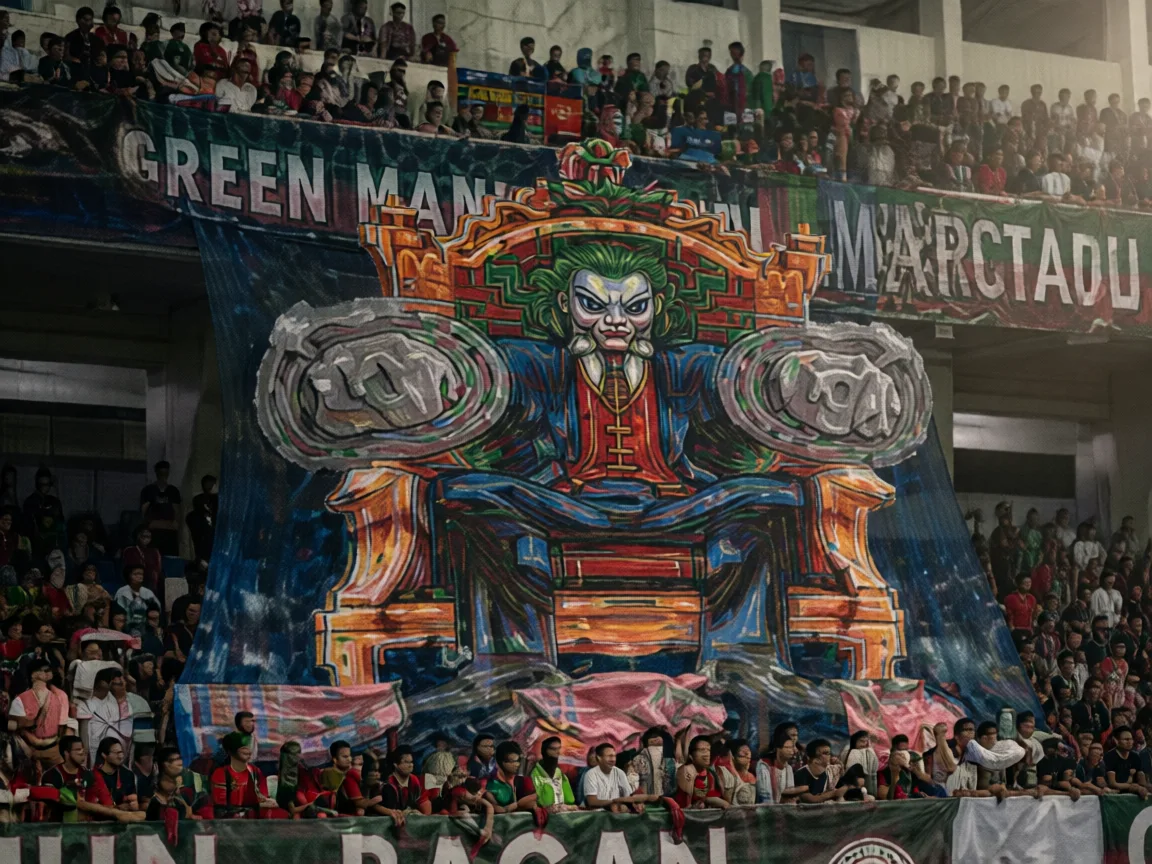
India Missed the World Cup. Can Its League Catch the Wave Anyway?
The ISL returns September 4 hoping to turn World Cup curiosity into lasting domestic football interest.
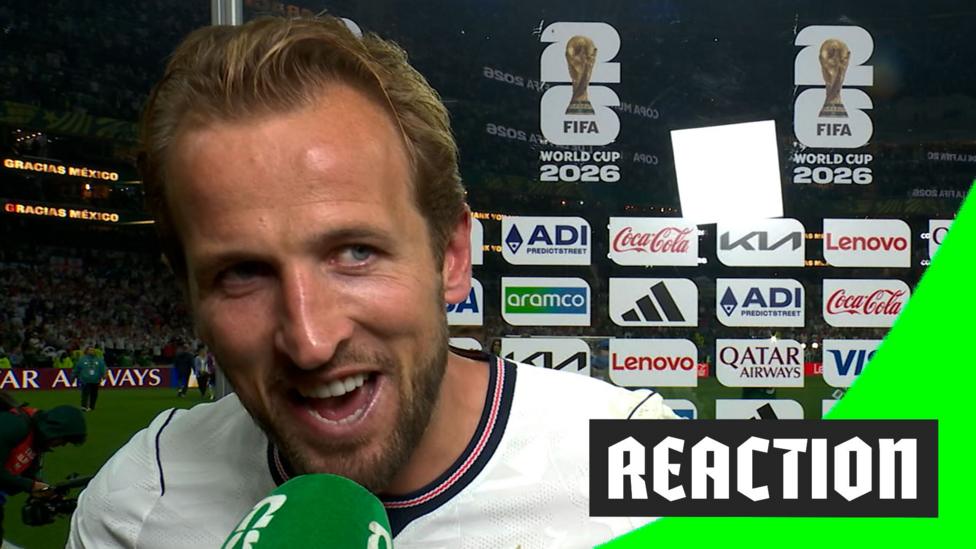
Kane 'Speechless' After England Edge Mexico in Five-Goal Thriller
A hoarse Harry Kane struggled for words after England survived a Mexico scare in a breathless 3-2 victory.
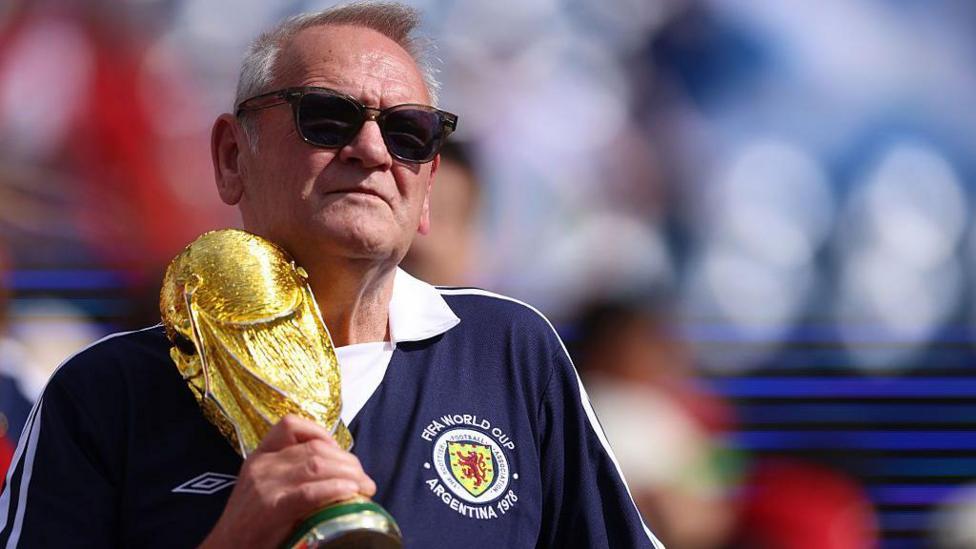
BBC Hunts For Scotland's Lost World Cup Footage
The BBC wants fan-filmed archives from Scotland's World Cup history before the memories fade into obscurity.