England Stun Mexico at Azteca: Ten Men Hold On for Historic Win
Harry Kane's penalty and a heroic rearguard action gave England their finest World Cup knockout win since 1966 at the Azteca.
A Ghost Exorcised at Altitude
England scored a penalty, lost a man, and then survived everything Mexico threw at them. The result is the Three Lions' finest World Cup knockout phase victory since 1966.
Harry Kane converted from the spot to give England the lead. A subsequent red card reduced England to 10 men. What followed was a defensive masterclass amid pure chaos.
The Estadio Azteca is a venue steeped in history, containing a very particular ghost for the English nation. But Gareth Southgate's men stepped into the mayhem to face the full force of an entire country.
Mexico had been flawless. Javier Aguirre's side brought four wins out of four into this knockout clash. This was their tournament, their home, their grand send-off. It was effectively an unofficial final for the cohosts.
The Context of the Challenge
England have not enjoyed a wealth of knockout success on the global stage. Before this match, they had only recorded nine previous knockout phase victories in World Cup history.
Each of those prior wins carried its own gripping drama. But the sheer context of this clash in Mexico City set it apart from any win before it.
England were not just playing a football team. They were playing a nation's expectations, high altitude, and a squad that almost never loses on this patch of grass.
Mexico's Flawless Run Derailed
Aguirre had built a machine of momentum. Four straight wins signaled complete dominance.
This match represented arguably the biggest game in Mexican football history. A cohost nation playing on home soil in the knockout rounds demanded victory.
The pressure on El Tri was suffocating. England absorbed that pressure, struck first, and refused to buckle.
Kane Delivers the Decisive Blow
The match turned when England won a penalty. Harry Kane, the captain and talisman, stepped up.
He buried it. The strike gave England a priceless advantage.
The Red Card and the Siege
Numerical disadvantage. The referee brandished a red card to England.
Suddenly, the Three Lions had to play the remainder of the contest with 10 men. The Azteca erupted, sensing blood.
Every long ball, every cross, every Mexican surge forward felt like an inevitability. Yet the English defense held firm.
Inside the Visiting Dressing Room
The atmosphere after the final whistle was electric. Players collapsed to the turf, exhausted but triumphant.
In the visiting dressing room deep beneath the Azteca stands, the air was thick with euphoria. Tyrone Mings threw his sweat-soaked jersey against a wall, screaming in raw relief. The tactical staff embraced, recognizing they had just engineered a tactical miracle.
"We knew what we were walking into. It was us against the world in there. But we hung on and we made history." — Harry Kane, England captain.
Mud-caked knees spoke louder than any tactical board could. The team had survived an almighty siege.
Southgate's Tactical Masterclass
Gareth Southgate's modifications were crucial. Organizing a deep block with ten men requires discipline.
The back four became a back five. The midfield sat protectively.
Brazilian-born strikerbean was isolated up front, serving as a nuisance. The system meant Mexico had plenty of the ball but no space.
This was not luck. It was engineered survival.
What It Means
The implications are seismic. England advance to the semi-finals with a newfound resilience.
For Mexico, the dream is over. Four wins meant nothing when it mattered most. Aguirre's legacy will be defined by this collapse.
France await England in the next round. Southgate will have his full squad available again.
This is more than a victory. It is a statement.
It rewrites the narrative around England.
The ghost of the Azteca is gone.
Editorial Integrity
This is an original SportPulse article written by our editorial team. All content is independently researched, written, and reviewed by our writers and editors before publication. We do not publish copied, aggregated, or syndicated content.
SportPulse is committed to original sports journalism. Read our editorial policy or contact us with any questions.
More Like This
All football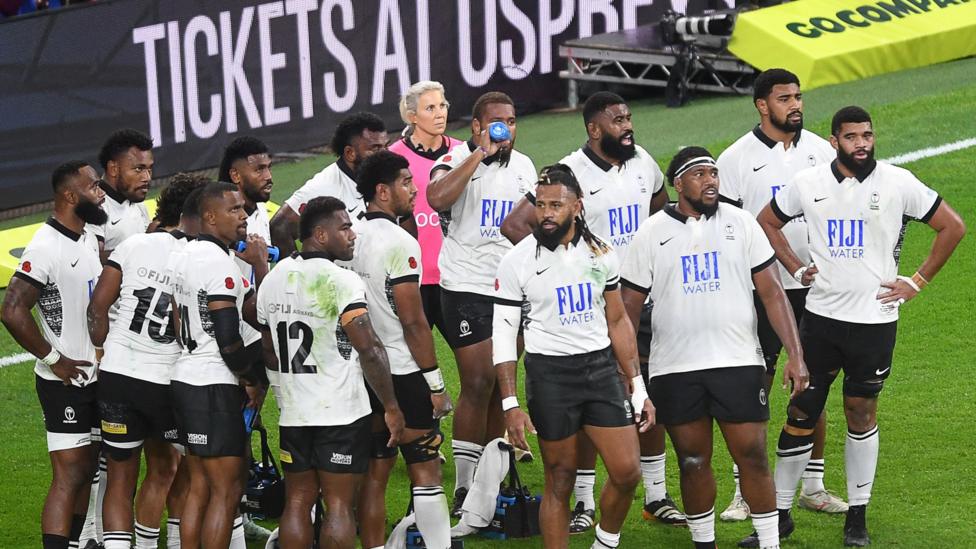
Fiji's Cardiff Coup: Rewriting Rugby's Home Advantage
Fiji 'host' Wales in Cardiff to launch the Nations Championship, challenging traditional concepts of home advantage in Test rugby.

Haaland's Norway Trajectory Points to Numbers That Defy International Football Logic
Erling Haaland's Norway exploits raise a staggering question: just how many international goals can one man score?
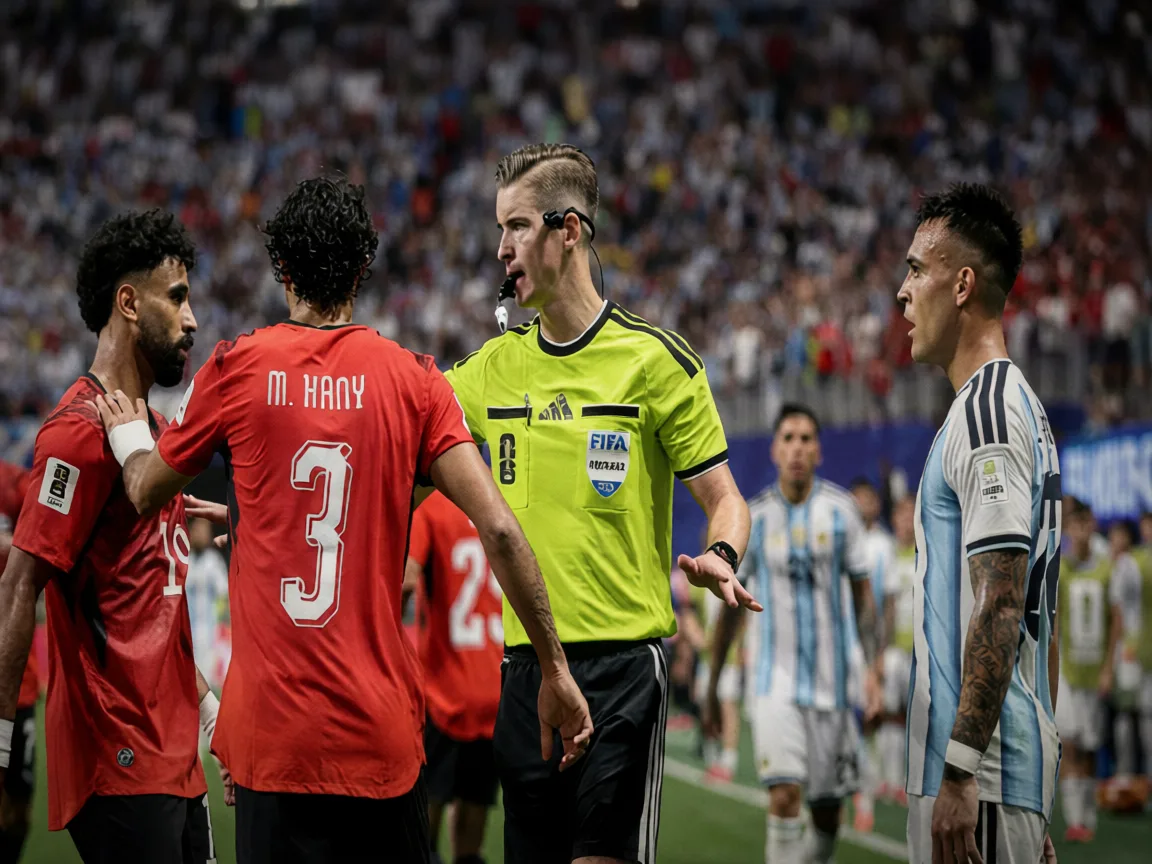
Inside Argentina FA's Cyber Crisis After World Cup Email Hack
Hackers breached Argentina's FA email system to criticise World Cup refereeing, exposing vulnerabilities in football's digital infrastructure.