The Black Stars' Blueprint: How Ghana Can Unravel England's World Cup Hopes
Beyond the stars, England must solve Ghana's tactical grit and explosive counter-attack to progress.
The Quiet Enigma in England's Path
The narrative is dangerously simple: England, the pre-tournament favorites with a roster of Premier League superstars, face Ghana, the plucky underdog. It’s a script that has backfired on big teams before, and one that ignores the sophisticated, dangerous tactical entity the Black Stars have become. This isn’t a team built on one or two famous names; it’s a collective engineered for tournament football, blending deep defensive discipline with lightning-fast, vertical transitions. For England, the real threat isn’t just a player—it’s a system.
While the Three Lions dissect individual threats, they’d be wiser to study Ghana's collective blueprint. Their recent form shows a team that concedes possession (averaging just 44% in qualifying) but suffers no inferiority complex. They are a classic counter-punching side, absorbing pressure and exploiting the space behind overly adventurous full-backs with ruthless efficiency. The question isn’t whether England can dominate the ball, but whether they can remain organized and patient when that possession doesn’t yield early goals.
The Heartbeat: A Relentless Engine Room
The foundation of Ghana’s plan lies in a midfield that is both combative and technically assured. Forget any stereotype of mere physicality; this is a group built for intelligent aggression. The fulcrum is often Thomas Partey, whose ability to break lines with progressive carries and defensive coverage is crucial. Alongside him, the energy is supplied by players like Elisha Owusu and Salis Abdul Samed, whose primary job is to disrupt, intercept, and immediately release the ball forward.
This midfield trio doesn’t seek to out-pass opponents. They seek to win the second-ball battles and turn defensive actions into instant offensive transitions. For an England midfield that can sometimes ponder over possession, this swarm-like pressing in the middle third presents a genuine risk. Their recovery speed and tactical fouling—committing 13.2 fouls per game in qualifying, among the highest—are designed to stifle rhythm before it can be established.
Verdict: England’s Jude Bellingham and Declan Rice must be prepared for a physical chess match. Control here is control of the game’s tempo.
The Creative Spark: Mohammed Kudus and the Transitional Threat
If the midfield provides the platform, Mohammed Kudus is the weapon deployed upon it. The West Ham attacker is Ghana’s undisputed talisman, not in a traditional playmaking sense, but as a transitional terror. He operates in the half-spaces, receiving on the turn and driving at retreating defenders with a low center of gravity and explosive acceleration.
His club stats paint the picture: a shot-creating action every 32.7 minutes in the Premier League this season, coupled with a dribble success rate that terrifies backlines. For England, this is the critical individual battle. The space between midfield and defense, often shielded by Rice and patrolled by Bellingham, is Kudus’s hunting ground. If England’s press is disjointed, Kudus will find the pockets to turn and run, dragging center-backs out of shape and creating chaos.
The Bottom Line: Kudus doesn’t need 20 touches to change a game. He needs one. England’s defensive coordination must be immaculate to neutralize him.
The Inzaghi-esque Poacher: Inaki Williams
The selection of Inaki Williams is a masterstroke in squad construction and a nightmare for weary defenders. While not a prolific scorer for Ghana, his role is not defined by his goal tally. It is defined by his relentless, 90-minute movement. Williams is a pressing trigger from the front and a constant outlet for direct, long passes over the top.
His La Liga experience means he is well-versed in leading the line alone and occupying two center-backs simultaneously. England’s defensive line, particularly if pushed high, will be tested by his willingness to spin into the channels. More importantly, his presence allows Ghana’s midfield and secondary attackers like Kudus to arrive late into the box, turning Williams’ hard runs into assists. His 3.17 progressive carries per 90 for Athletic Club highlight his desire to receive and advance, not just wait.
Verdict: Williams’ greatest asset is his capacity to fatigue a backline. The real danger may come from the spaces he creates for others in the 70th minute.
The Defensive Organizational Master: Salisu
Ghana’s defensive solidity is not an accident; it is coached, and its on-field director is Mohammed Salisu. The Monaco center-back brings a calm authority and progressive passing ability that are vital for transitioning out of a low block. He is comfortable stepping into midfield with the ball and possesses the recovery pace to cover for a high defensive line when Ghana sits deep.
His reading of the game allows Ghana to defend as a compact, narrow unit, forcing opponents wide and trusting their ability to deal with crosses—a traditionally strong suit for African sides. Against England’s potential width from Bukayo Saka or Phil Foden cutting inside, Salisu’s role in organizing the defensive shape and triggering offside traps will be paramount.
The Bottom Line: Salisu turns Ghana from a reactive team into a proactively defensive one. He is the difference between chaotic defending and structured containment.
England's Historical Warning and the Path Forward
This matchup carries echoes of 2010, when Ghana’s physicality and organization troubled England in a group-stage draw. The modern iteration is more tactically nuanced. England manager Gareth Southgate must solve a classic puzzle: how to break down a disciplined low block without leaving the side vulnerable to the devastating counter-attack.
The key lies in patience and precision. England’s full-backs must pick their moments to overlap. Declan Rice’s positioning will be critical to snuff out Kudus’s forays. Most importantly, the first goal changes everything. If England scores early, Ghana may be forced to open up, playing into England’s superior technical quality. If Ghana holds firm, their confidence—and the pressure on England—will grow exponentially.
Ghana’s squad is a reminder that modern international football is won by systems, not just superstars. England possesses the individual talent, but they will need a collective tactical plan to dismantle a well-drilled, motivated, and utterly fearless opponent. This is not a match to be won on reputation; it must be earned on the pitch, minute by grueling minute.
Editorial Integrity
This is an original SportPulse article written by our editorial team. All content is independently researched, written, and reviewed by our writers and editors before publication. We do not publish copied, aggregated, or syndicated content.
SportPulse is committed to original sports journalism. Read our editorial policy or contact us with any questions.
More Like This
All football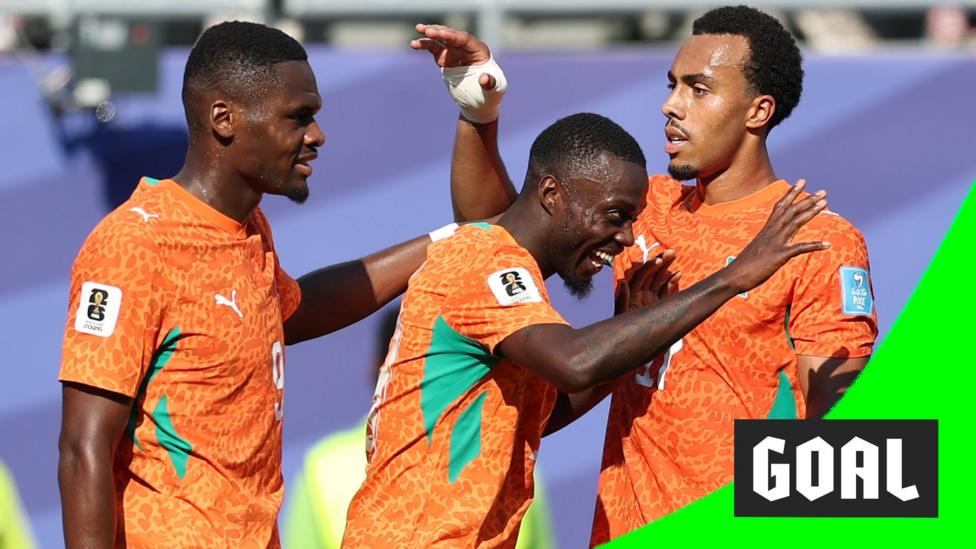
Pepe's Brace Dismantles Curacao as Ivory Coast Cruise in Philadelphia
Nicolas Pepe scores twice as Ivory Coast assert Group E dominance over outmatched Curacao at Philadelphia Stadium.
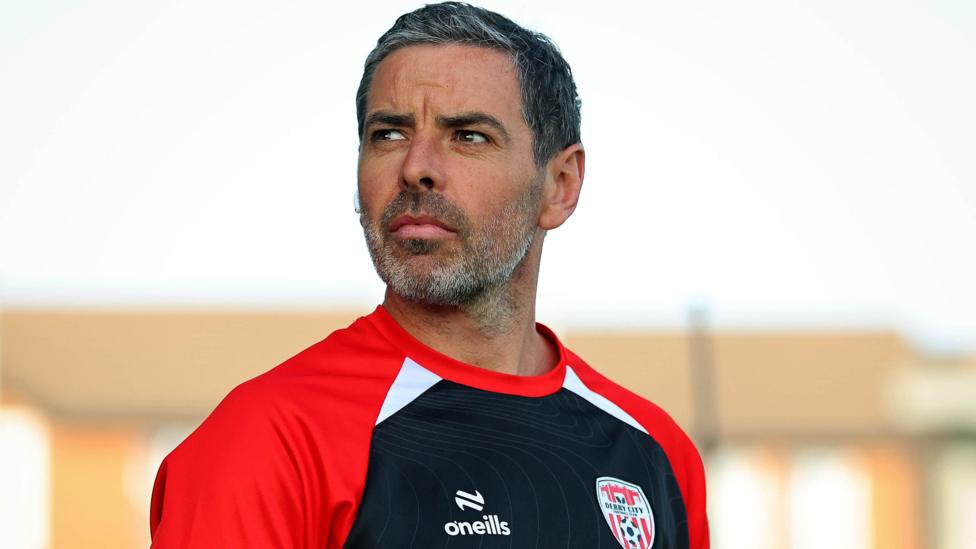
Derry City Face Rijeka Test in Conference League Qualifying
Tiernan Lynch's side welcome Croatian opposition to the Brandywell in a tie that carries real weight for Derry's European ambitions.

Argentina Mourns but Celebrates as World Cup Dream Ends Against Spain
Argentinian media rallies behind Scaloni's men after a 1-0 final loss to Spain, hailing the team as the nation's pride despite Messi's likely farewell.