Everton's £16m Hackney Move Signals a New Recruitment Blueprint at Goodison
Everton's capture of Hayden Hackney from Middlesbrough is more than a signing—it's a philosophical statement.
A Signal, Not Just a Signing
Everton have completed the signing of midfielder Hayden Hackney from Middlesbrough for a fee of at least £16m, and the numbers alone tell you this is a club operating with a clearer plan than it has in years. Gone are the days of panic-buying aging forwards on deadline day, of splashing cash on players who never fit a system, of lurching from one managerial appointment to the next with a squad assembled by committee and chaos. Hackney's arrival feels different. It feels intentional.
The 22-year-old academy product has been one of the Championship's most talked-about midfielders for the better part of two seasons. Everton paying £16m for a player from England's second tier might raise eyebrows among those who still measure transfers by the price tag alone, but this is the kind of deal that smart clubs make: invest in trajectory, not just current reputation.
Who Is Hayden Hackney?
For those who haven't spent their Saturday afternoons watching Middlesbrough on iFollow, Hackney is a product of Boro's academy system, a club that has quietly produced a pipeline of technically gifted midfielders in recent years. He broke into the first team as a teenager and quickly established himself as the heartbeat of the side, a player comfortable receiving the ball in tight spaces, dictating tempo, and linking defence to attack with an intelligence that belies his age.
What makes Hackney stand out in a league not short on combative midfielders is his composure on the ball. Championship football is often characterized by its physicality and directness, but Hackney has consistently been the player who slows the game down when needed and accelerates it when opportunity arises. He is the kind of central midfielder who makes the players around him better, the connective tissue that turns disjointed attacking phases into fluid, purposeful moves.
His development has not gone unnoticed by the England youth setup either. Hackney has represented his country at age-group level, and there is a growing sense among scouts across the Premier League that this is a player whose ceiling extends well beyond the Championship. Everton have simply moved faster and more decisively than their rivals.
Why Everton? Why Now?
This is where the transfer becomes genuinely interesting. Everton are not exactly swimming in financial freedom. The club's well-documented ownership turbulence, the stadium move to Bramley-Moore Dock, and the lingering threat of financial fair play sanctions have all constrained spending in ways that would have seemed unthinkable during the Farhad Moshiri era of reckless excess.
So a £16m outlay on a single player tells us something important: the recruitment team believes Hackney is foundational, not supplementary. This is not a squad-filler or a punt on potential. This is a targeted acquisition designed to address a specific tactical need in the centre of the park.
Everton's midfield has been a problem area for some time. Too often last season, the Toffees looked vulnerable during transitions, unable to control possession in the middle third, and reliant on defensive organisation rather than proactive pressing to win the ball back. Hackney's profile directly addresses those deficiencies. He is a player who can receive under pressure, resist the press, and play forward with purpose.
The timing also matters. With the move to Bramley-Moore Dock approaching, Everton need to build a squad that can compete not just for survival but for something resembling stability in the top half of the Premier League. You do not build that kind of project with short-term fixes. You build it with young players who grow with the club. Hackney fits that model perfectly.
What the Numbers Suggest
Without access to the granular data behind this deal, it is worth noting the broader market context. £16m for a Championship midfielder in 2025 places Hackney in a bracket that reflects genuine Premier League-level valuation. For comparison, similar fees have been paid for players like Morgan Gibbs-White and Jarrod Bowen when they made the step up from the second tier, both of whom justified the investment and then some.
The key question is whether Hackney can replicate his Championship dominance at a higher tempo. The Premier League is unforgiving of midfielders who cannot adapt to the speed of decision-making required at the top level. But Hackney's game is built on intelligence rather than raw athleticism, and that tends to translate more reliably across divisions.
Middlesbrough's Perspective
For Middlesbrough, this is the bittersweet reality of running an academy that works. Developing players of Hackney's calibre is exactly what Boro's system is designed to do, but the financial ecosystem of the Championship means that selling is often the only viable outcome. A fee of at least £16m provides significant reinvestment capital, but replacing Hackney's influence in midfield will be no simple task.
Boro have been competitive in the Championship promotion race in recent seasons, and losing their most creative central midfielder could be a setback if the funds are not deployed effectively. The club's recruitment will need to be as shrewd in replacing Hackney as it was in developing him.
That said, £16m is a strong fee for a player from a second-tier club. It validates the academy pathway and should encourage the next generation of Boro youngsters that a clear route to the top exists at the Riverside. In the long run, deals like this strengthen the club's reputation as a developer of talent, which in turn attracts better young players to the academy in the first place.
The Tactical Fit
Everton's manager will have a clear vision for how Hackney slots into the system. The most likely deployment is as a deep-lying playmaker or a number eight in a midfield three, tasked with controlling possession and providing the platform for more attacking players to flourish.
The tactical profile Everton have been building toward suggests a team that wants to dominate the ball more than it has in recent seasons. That requires midfielders who are comfortable in possession, who can play through the lines rather than over them, and who have the positional discipline to protect the defence while still contributing going forward. Hackney checks those boxes.
There is also an element of future-proofing here. Midfield partnerships take time to develop, and bringing Hackney in now gives him a full pre-season to integrate, to learn the system, and to build chemistry with his new teammates before the pressure of competitive football begins.
The Verdict
Everton's signing of Hayden Hackney is the kind of deal that defines a club's direction. At £16m, it is not cheap, but it is smart. It addresses a clear tactical need, targets a player with genuine Premier League potential, and fits within a broader recruitment philosophy that values development over quick fixes.
For Hackney, the step up from Middlesbrough to Everton represents the biggest challenge of his young career. The Premier League will test him in ways the Championship never could. But the qualities that made him stand out at the Riverside—composure, intelligence, technical excellence—are exactly the qualities that translate at the highest level.
For Everton, this is a signing that says the club knows where it wants to go. Whether it gets there remains to be determined, but the blueprint is finally starting to make sense.
The Bottom Line: Everton are paying for potential and profile, not just current production. At £16m, Hackney is a calculated gamble that could pay off handsomely if his development continues on its current trajectory. This is what smart recruitment looks like.
Editorial Integrity
This is an original SportPulse article written by our editorial team. All content is independently researched, written, and reviewed by our writers and editors before publication. We do not publish copied, aggregated, or syndicated content.
SportPulse is committed to original sports journalism. Read our editorial policy or contact us with any questions.
More Like This
All football
Bielsa Meets His Disciple as Fractious Uruguay Face Spain
Uruguay's mutinous dressing room meets Spain's clinical excellence in a pivotal showdown between master and former pupil.
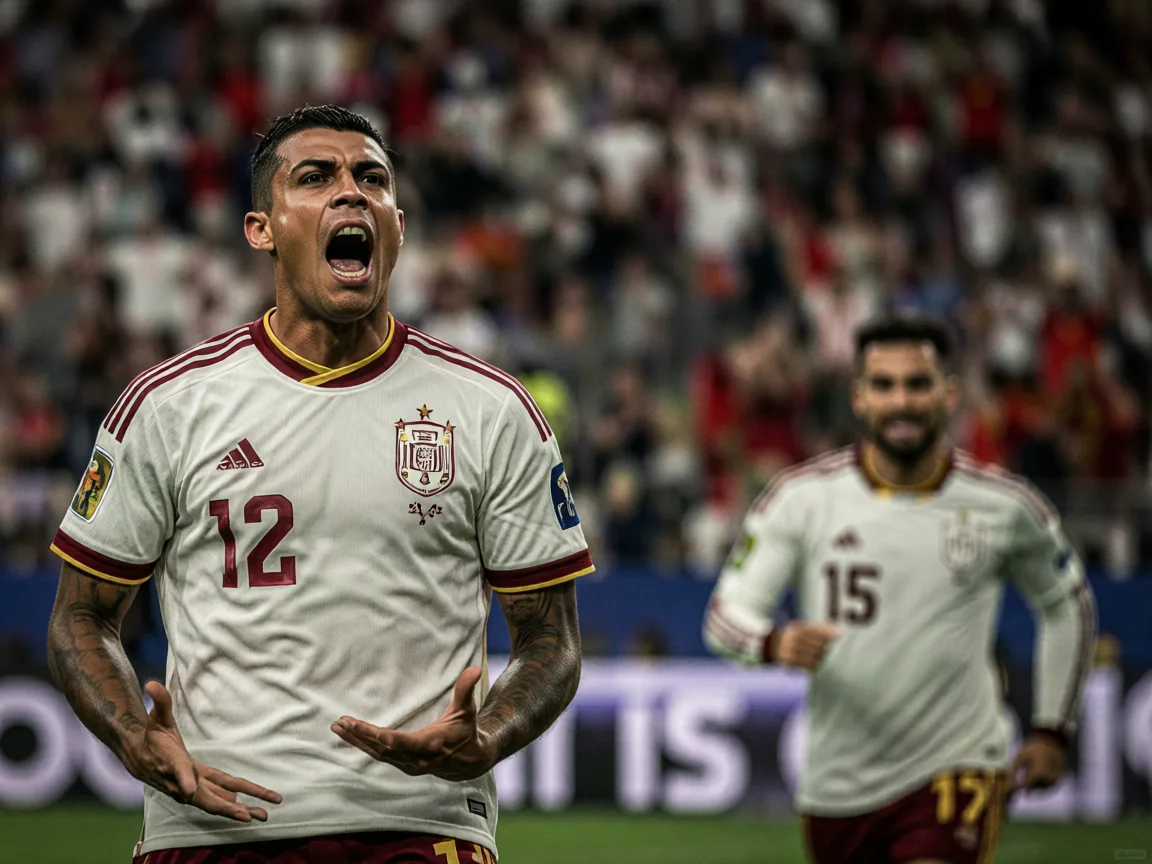
Porro's Prison Break: How Spain's Joker Broke French Hearts in Dallas
A right-back tasked with stopping Mbappé instead delivered the fatal blow, embodying Spain's fearless march to the World Cup final.
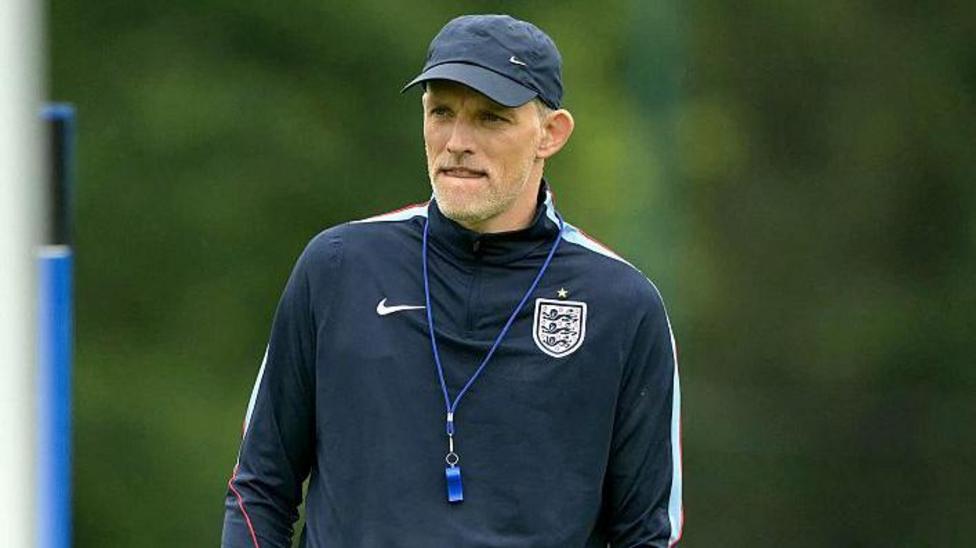
Tuchel vs Hydration Breaks: Why England Crave Chaos
Thomas Tuchel despises World Cup hydration breaks, and his tactical disdain reveals exactly how he plans to rebuild England.