The 2026 F1 Calendar is Set. The Real Countdown is to a Technical Revolution.
Beyond the confirmed March 13 start, 2026 heralds the most radical technical reset in modern F1 history.
The Calendar is Set. The Rules are Scrambled.
The question 'When does the 2026 F1 season start?' has a simple answer: March 13, 2026, with the season opener in Australia. But that date is merely the surface. Underneath it lies the most consequential regulatory overhaul since the turbo-hybrid era dawned in 2014. This isn't a new season; it's a complete reboot of the sport's technical DNA, and every team is already deep in a frantic, high-stakes gamble. The grid that lines up in Melbourne won't just have new liveries; it will be built on an entirely new engineering philosophy.
The 2026 Technical Core: Leaner, Meaner, Smarter
The 2026 power unit regulations represent a fundamental shift in priorities. The internal combustion engine (ICE) component is simplified and sees its power output reduced to approximately 535 horsepower. The headline change, however, is the radical increase in the electrical component. The new Energy Recovery System (ERS) will produce a staggering 350 horsepower (up from ~160hp), meaning for the first time in F1's hybrid history, the electric motor will generate nearly 40% of the car's total power. This isn't just a boost; it's a wholesale redefinition of how an F1 car accelerates and manages energy.
This seismic change dictates the entire car design. With a total power output of around 885hp (down from the current ~1000hp), the cars will be slower in a straight line but designed for spectacular, close-quarters racing. The key enabler is a new, sophisticated "override" mode for the ERS. Drivers will have access to a higher-power, short-duration electrical boost, usable for attacking and defending, which is designed to create more dynamic overtaking opportunities, effectively replacing the old DRS concept with something more integrated and powerful.
Aerodynamics in the Age of Active Control
If the power unit is the heart, the new aerodynamic rules are the skeleton—and it's one that can actively morph. The 2026 cars will feature active aerodynamic elements on the front and rear wings. These aren't simple drag-reduction flaps; they are computer-controlled surfaces that can adjust multiple times per lap to optimize either top speed on straights or downforce in corners. This "dual-mode" concept aims to solve F1's dirty air problem at its root, allowing cars to follow more closely by shedding drag on straights and then regaining grip instantly for the next corner.
The cars will also be lighter and smaller, with a shorter wheelbase and reduced weight. The new dimensions are a direct response to the criticism that recent cars have become too bulky and unwieldy for classic circuits. The goal is to make the machines nimbler, shifting the performance needle from pure straight-line speed towards agility and mechanical grip.
Strategy Breakdown: The Biggest Gamble in a Decade
For the teams, the 2026 rule set isn't an evolution; it's a strategic reset that renders current car concepts obsolete. The competitive order is likely to be scrambled. This creates a multi-front war:
- The Power Unit War: The simplified ICE and revolutionary ERS mean that engine manufacturers are starting nearly from scratch. Audi, entering as a works team, has a clear timeline advantage, having developed their unit in tandem with the regulations. Red Bull Powertrains faces the monumental task of building a championship-winning engine from the ground up, splitting their focus between defending current titles and inventing the future. For customer teams, choosing the right engine partner in 2026 could determine their trajectory for years.
- The Resource Cap Conundrum: With a major technical overhaul comes a surge in R&D costs. The sport's financial regulations will be tested. Teams must balance massive investment in the 2026 project with maintaining competitiveness in the 2025 season—a classic "split focus" dilemma that often separates the great from the good.
- The Driver Market Ripple Effect: With such uncertainty, driver choices become more critical than ever. A driver's technical feedback and adaptability will be prized over raw speed alone. The decisions made in the 2025 driver market will be heavily influenced by which teams drivers believe have navigated the 2026 technical storm most effectively.
The High-Stakes Outlook: Who Benefits, Who Hurts?
The impending revolution creates clear narratives of opportunity and risk across the grid.
The Potential Winners:
- Works Teams with Early Starts: Audi and, to an extent, Mercedes and Ferrari, who can dedicate vast resources to the new power unit, hold an initial advantage.
- Innovative Constructors: Teams like McLaren and Aston Martin, with strong technical leadership and recent momentum, could exploit the reset to leapfrog established giants.
- Sustainable Fuel Partners: The mandated use of 100% sustainable fuel is a massive commercial and technical partnership driver. Teams with robust fuel partnerships may find hidden performance.
The At-Risk Camp:
- Customer Teams in Engine Limbo: Those without a guaranteed or high-performing engine supply contract for 2026 are in a precarious position. The choice of power unit will be the single biggest decision for their future.
- Teams with Current-Dominance Distraction: Red Bull faces the ultimate challenge: defending multiple championships while building an entirely new technical platform. The risk of spreading resources too thin is real.
The confirmed start date of March 13, 2026, is more than a calendar entry. It's the deadline for the most ambitious engineering project in modern motorsport. The cars that take to Albert Park's grid will be the physical manifestation of billions in investment and years of clandestine development. The 2026 season isn't just about who has the fastest driver; it's about who has best interpreted a rulebook that reads like science fiction. The countdown has begun, and the most technical arms race in F1 history is now in full view.
Editorial Integrity
This is an original SportPulse article written by our editorial team. All content is independently researched, written, and reviewed by our writers and editors before publication. We do not publish copied, aggregated, or syndicated content.
SportPulse is committed to original sports journalism. Read our editorial policy or contact us with any questions.
More Like This
All f1
Norris: F1 Gone Too Heavily Led by Business, Not the Drivers
The world champion says new regulations prioritise engine manufacturer deals over the drivers who actually race the cars.

Piastri Unfazed: Why McLaren's Contract Architecture Holds Firm Against Verstappen Noise
Oscar Piastri's calm confidence reveals a multi-year McLaren contract engineered to withstand even Verstappen-level speculation.
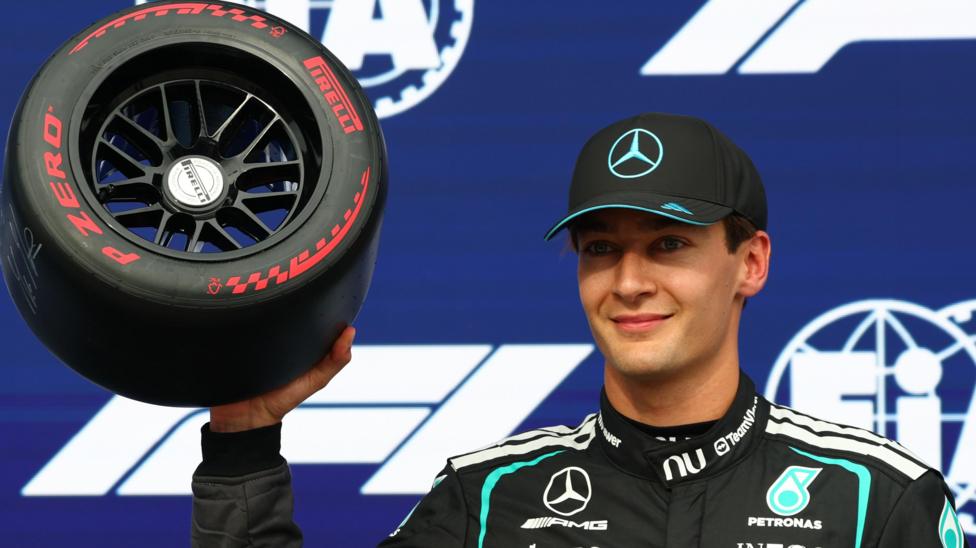
Pirelli Locked In Through 2028: Why F1's Tyre Future Is More Complex Than It Looks
Pirelli's contract extension signals F1's commitment to sole-supplier stability, but the 2026 regulations will test their engineering limits.