Hungaroring hosts F1's final act before the summer shutdown
From Spa's high-speed sweeps to Budapest's tight confines: F1 arrives in Hungary for the last race before the mid-season break.
Seven days from Ardennes altitude to Budapest heat
The paddock crossed Europe in a week, swapping the cool hills of Spa for the sweltering basin that cradles the Hungaroring. Hungary is the final round before the mandatory four-week summer shutdown. Whatever points land in the standings on Sunday stay there, untouched, until the grid reassembles at Zandvoort.
The Hungaroring has been on the calendar since 1986, the first Formula 1 race held behind the Iron Curtain. The layout is narrow, twisting, and largely unchanged even as cars have grown wider and more reliant on aerodynamic downforce. At 4.381 km it ranks among the shorter circuits, yet the 70-lap race distance seldom feels brief. There is one realistic passing zone: the long straight into Turn 1, and even there a driver needs a substantial pace delta or a well-timed DRS deployment to complete the move.
35-degree air, 50-degree tarmac, and a front-left under siege
Budapest in late July is punishing. Ambient temperatures regularly exceed 35°C, track surface readings climb past 50°C, and the medium- and low-speed corners keep tyres under near-constant lateral load. The front-left takes the worst of it because the circuit is dominated by right-hand turns. Thermal degradation, not mechanical wear, dictates how long each stint lasts.
Teams run their highest downforce configurations of the season here. Top speed on the pit straight is modest and trimming the rear wing gains almost nothing. Expect aggressive beam-wing setups, maximum-angle front wings, and softer spring rates to help the car absorb kerbs. Drag is accepted rather than minimised.
Fuel load has an outsized effect in Hungary. The tight corners and short straights mean constant accelerating and braking, and a heavier car at the start amplises tyre stress. A two-stop strategy is the historical default, but track position is so valuable that some drivers will deliberately stretch their first stint to engineer an undercut or clear slower traffic.
Pirelli brings its softest compound range: the C4, C5, and C6. The low-abrasion surface and moderate cornering energies mean thermal management, not surface wear, is the limiting factor. Keep the softest compound in its operating window and it delivers a significant one-lap advantage. Overdrive it in race trim and performance drops off a cliff.
What Spa told us, and what it cannot
The Belgian Grand Prix rewards straight-line speed and low-drag setups. Hungary punishes cars that lack slow-corner traction. A team that struggled through the Bus Stop chicane or La Source may find its balance better suited to the Hungaroring's stop-start rhythm. Conversely, a Spa frontrunner running a skinny rear wing could find itself scrambling for rear grip in Budapest.
The compressed schedule limits upgrade options. With the shutdown approaching, most development tokens were deployed earlier in the season. Minor floor tweaks and suspension geometry adjustments are still possible, but the car in qualifying trim on Saturday is likely the same specification the team will bring to Zandvoort five weeks later.
Why a double-points finish matters more here than anywhere else on the calendar
A mechanical failure or first-lap collision in Budapest lingers in the standings for four weeks. A double-points finish or a podium, meanwhile, reshapes the trajectory of a team's entire second half. Teams use the shutdown to finalise upgrades for the flyaway races, analyse first-half performance trends, and allocate development resources for the 2026 regulations. Drivers reset mentally, but the points deficit or advantage they carry out of Hungary is frozen until racing resumes.
Sunday's race will reward tyre management, pit-wall precision, and the discipline to bank points rather than chase heroics on a circuit that rarely forgives either.
Editorial Integrity
This is an original SportPulse article written by our editorial team. All content is independently researched, written, and reviewed by our writers and editors before publication. We do not publish copied, aggregated, or syndicated content.
SportPulse is committed to original sports journalism. Read our editorial policy or contact us with any questions.
More Like This
All f1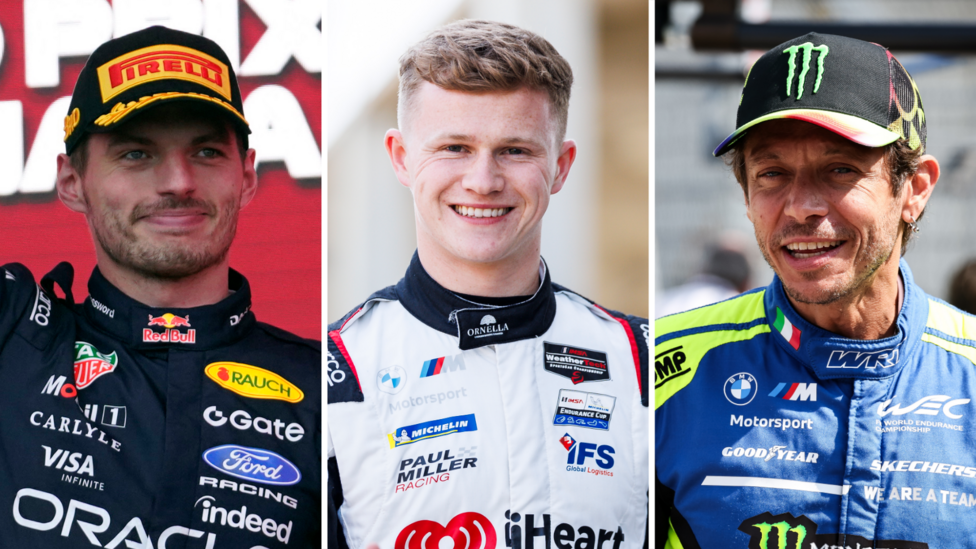
From Verstappen's Rival to Rossi's Teammate: Dan Harper's Extraordinary Path to Le Mans
Northern Irish driver Dan Harper bridges F1 royalty and MotoGP legend as he prepares for his Le Mans 24 Hours debut.

Silverstone's High-Speed Tyranny Demands a Flawless Compound Chess Match
Pirelli's three-way compound selection at Silverstone forces teams to navigate brutal thermal loads and high-speed lateral shear.
Piastri Stands Firm as Verstappen-to-McLaren Storm Brews
Oscar Piastri dismisses exit rumors with icy calm while Max Verstappen's McLaren links threaten to detonate F1's silly season.