The Seven-Figure Gamble: What It Really Costs To Reach F1
Reaching Formula 1 requires elite talent, but the real barrier is a staggering seven-figure financial commitment that ruins families.
Silverstone is bathed in late afternoon sunshine. The grandstands are empty, but the pit lane hums with tension. A young driver pulls into the box, tires shredded after a gruelling stint on the P Zero Red compounds. The engineer leans over the radio, demanding another push on the out-lap. But as the driver stares at the timing screens, the 1.3-second gap to the summit of the timesheets is the least of the pressures weighing on their shoulders. Far away from the corporate hospitality suites and the DRS activations of a Grand Prix weekend, the junior formulas operate on a different calculus entirely. Here, talent is merely the entry ticket. The real currency is cold, hard cash.
A recent deep dive by BBC Sport peeled back the velvet rope separating the grid from the gutter, examining the brutal financial realities facing two drivers attempting to claw their way up the motorsport ladder toward Formula 1. Their stories are not outlier anomalies. They are the standard operating procedure of a sport that masquerades as a meritocracy while functioning as an exclusive high-stakes casino.
The Cost of Compression
The journey from karting to the pinnacle of motorsport requires navigating a series of spec-series choke points, each designed to filter the driving pool but increasingly serving as financial toll booths. Karting alone, the foundational layer where every modern superstar cuts their teeth, can drain a family's resources to the tune of £150,000 annually. Move up to the sinister zigzag of Formula 4, and that figure leaps. Formula Regional commands an entry fee that would purchase a modest apartment in most European cities. By the time a driver reaches the F1 feeder series, they are navigating a budget structure that defies logic.
Consider the current European motorsport ladder. A competitive campaign in Italian F4 or British F4 runs somewhere in the region of £350,000 to £500,000. Step up to Formula Regional, and you are staring at £700,000. Formula 3 demands roughly £900,000. And Formula 2, the final crucible, requires a staggering £2.5 million to £3 million for a single season. Add development programs, private testing days, simulator sessions, and the invisible costs of travel, and a family could easily burn through £8 million before a driver even sniffs a superlicense point.
The Pay Driver Paradox
Talent traditionally opens doors to sponsorship. In Formula 1, that causal chain has been entirely inverted.
- Sponsorship as entry requirement: Teams in F2 and F3 do not offer salary seats. Drivers pay for the drive, and then must secure sponsors to fund the seat. The driver is the product, the marketer, and the financier simultaneously.
- The Red Bull Pipeline exception: Only a handful of outfits like the Red Bull Junior Team or the Mercedes junior program absorb costs. They also retain ruthless contractual termination clauses if performance wavers by a tenth.
- National backing vs personal wealth: Drivers from nations with robust motorsport infrastructure, like the UK or France, face a saturated domestic sponsorship market. Drivers from emerging markets often rely on state-linked oil companies or consortiums.
The dilemma for drivers outside the elite academies is a vicious cycle. Without substantial backing, you cannot secure a top-tier seat capable of demonstrating your pace. Without a top-tier seat, you cannot generate the superlicense points or the telemetry data required to prove your worth to an F1 team principal. You are not just racing the twenty-other cars on the grid. You are racing the diminishing returns on your family's life savings.
The Pit Wall of Ruin
The engineering strategy wall in the junior formulas faces a unique set of parameters compared to the F1 pit wall. In Formula 2, tyre allocation is rigidly controlled: five sets of dry tyres per weekend, split between four Prime sets and one Option set. A team must calculate degradation curves against fuel loads and track evolution. But the most critical calculation on the junior pit wall is financial arithmetic. If a driver crashes on a Friday, the £35,000 repair bill hits the budget immediately. A spanner into the radiator on a Saturday morning eliminates the chance of reverse-grid points and burns through the contingency fund. Every racing incident is a financial incident.
Strategy Breakdown
The strategy breakdown of a junior formula weekend is not just about undercutting rivals or managing tyre degradation on a low-downforce configuration. It is about maximizing track time per pound spent. A driver with limited budget cannot afford to push the limits of adhesion in practice. They must build a conservative baseline, sacrificing ultimate lap time for safety margins. This directly impacts their qualifying trim and setup configurations.
Consider how this shapes the racing product. A wealthy driver can afford to bin it twice in practice, learning the absolute limit of grip on low-fuel runs, before putting together a perfect lap in qualifying. A budget-constrained driver must treat every lap as a preserved asset, leaving tenths on the table. The telemetry never lies, and when an F1 team principal reviews the data from a junior prospect, that inherent caution looks like a lack of commitment or natural speed. The financial constraint becomes a competitive constraint, which becomes a career-ending constraint.
The Invisible Radio Messages
When an F1 driver locks up and runs wide, the team radio offers stoic reassurance. When a junior driver makes the same mistake, the internal monologue is apocalyptic. They are acutely aware that each excursion over the kerbs chips away at the monetary runway that keeps their dream alive.
The emotional and psychological load on these young competitors is staggering. We demand mental resilience from F1 drivers. We expect them to perform flawlessly under the pressure of a global audience. Yet we ignore the fact that for years before they reach that stage, they are carrying the anxiety of their parents remortgaging the family home. The mental fortitude required to push a car to its aerodynamic limit is compromised when failure means bankruptcy, not just a lost grid position.
The Championship Standings Ripple
For the drivers profiled by the BBC, and dozens like them currently weighing up a season in British F4 or the Formula Regional European Championship, the implications are stark. Every point scored is a valuation metric. A top-three finish in the championship transforms a £150,000 sponsorship pitch into a £500,000 one. Missing out on a superlicense point threshold by a single position does not just delay a promotion by twelve months; it collapses the entire financial model, forcing a year on the sidelines or a pivot to sports car racing where the F1 pipeline effectively terminates.
The current system is unsustainable if the sport genuinely values finding the twenty best drivers in the world. The F1 cost cap has successfully reined in spending at the top, but the floor remains porous. The FIA and Formula Motorsport must confront the economics of the ladder before the only drivers capable of climbing it are those who could buy the team at the top.
Editorial Integrity
This is an original SportPulse article written by our editorial team. All content is independently researched, written, and reviewed by our writers and editors before publication. We do not publish copied, aggregated, or syndicated content.
SportPulse is committed to original sports journalism. Read our editorial policy or contact us with any questions.
More Like This
All f1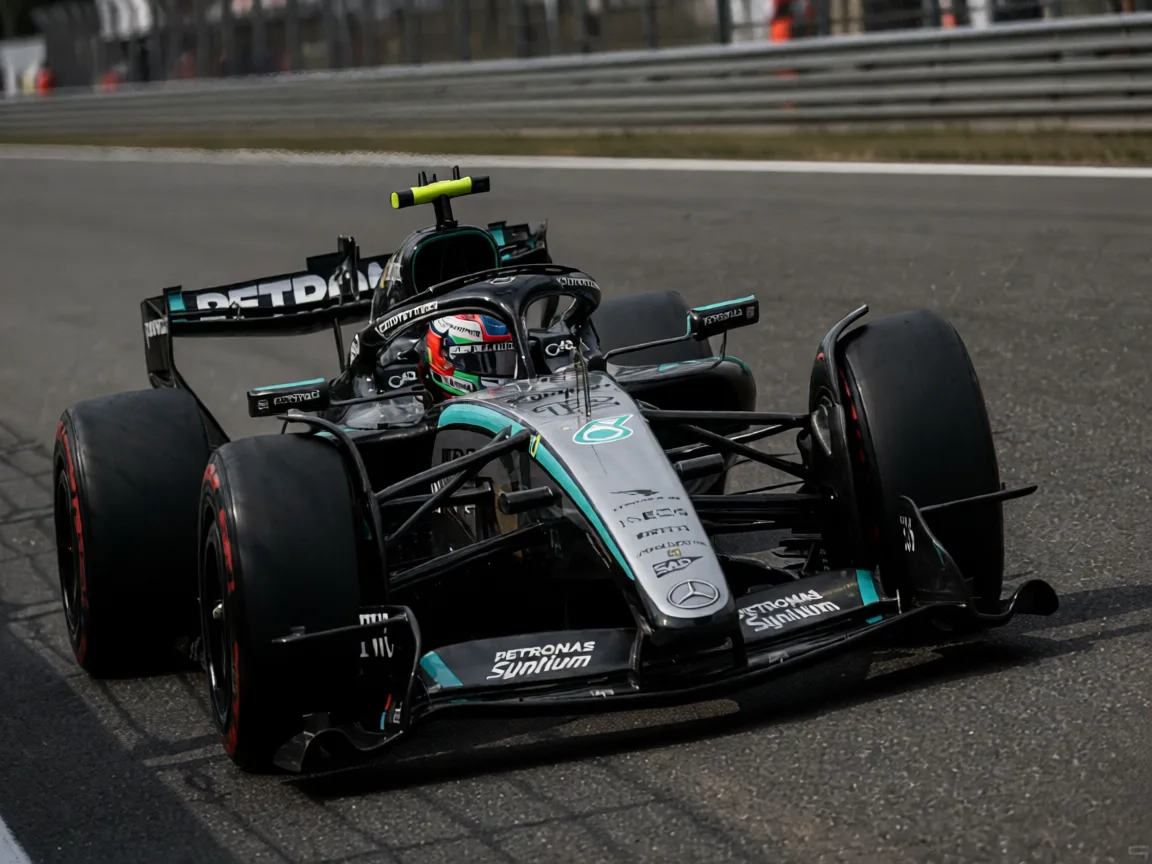
Antonelli's Spa Masterclass Signals Mercedes' Post-Hamilton Era Has Arrived
The 18-year-old Italian stunned Spa with pole over Verstappen, announcing Mercedes' rebuild is ahead of schedule.
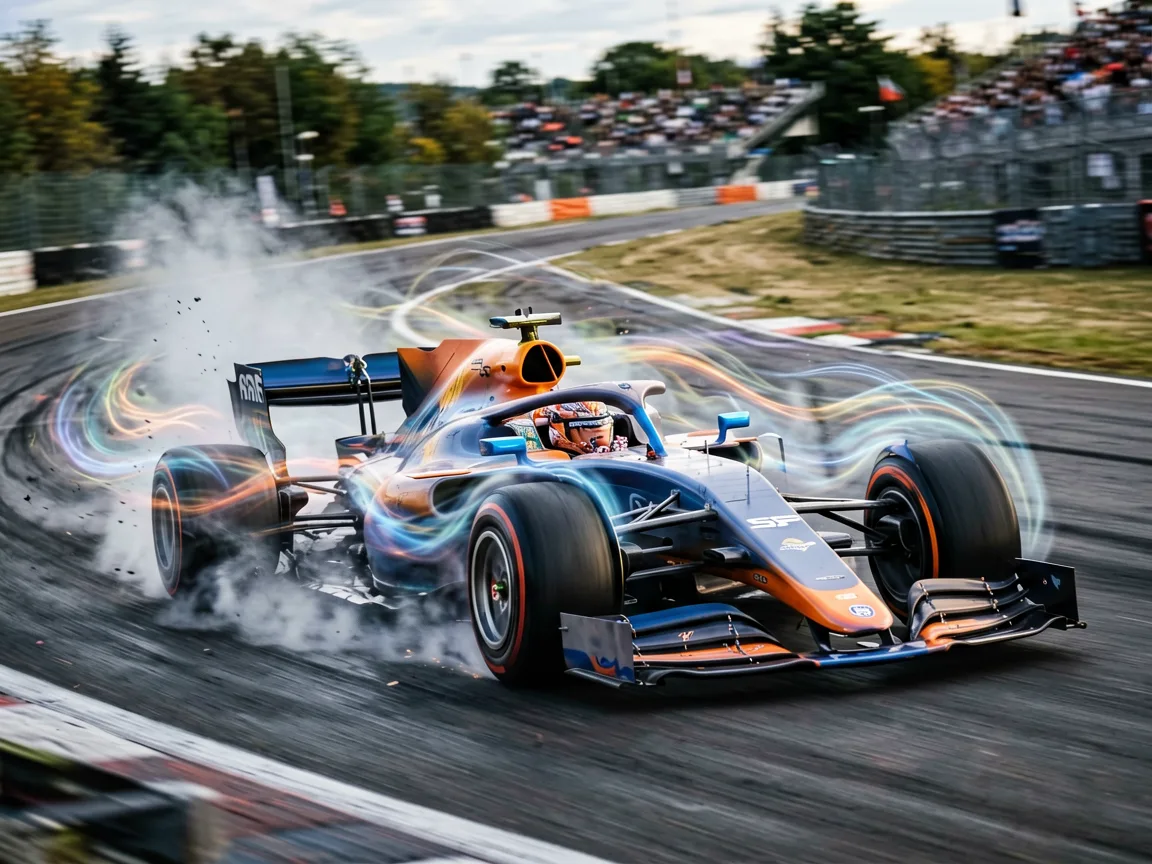
Spa's Brutal Demands: Inside the Tech War Before Summer Shutdown
Formula 1 heads to Spa before the mandated shutdown, where power-unit grunt and low-drag aero configs will decide the fight.

Slater's Silverstone F3 Pole: Anatomy of a Qualifying Masterclass
Freddie Slater's maiden F3 pole at Silverstone reveals chassis and tire energy dynamics separating the elite from the rest.