Felbermayr Masters Silverstone Chaos for Second F1 Academy Win
Emma Felbermayr converted reverse-grid pole into a commanding second win of 2026, proving her title mettle at Silverstone.
Silverstone threw its usual curveball on Sunday. Overcast skies, a track temperature hovering precariously around 18°C, and a relentless headwind down the old Hangar Straight meant the F1 ACADEMY field faced a technical puzzle far more complex than a standard sprint. For the Reverse Grid Race, the stakes are always uniquely skewed. Championship points are reduced, but the risk to your primary machinery ahead of the feature event is significantly magnified. Enter Emma Felbermayr. She께ned her second win of the 2026 F1 ACADEMY season with a drive that was far more calculated than the chaotic speculative nature of the format might suggest.
The Reverse Grid Race inherently forces the quickest drivers to fight through traffic, testing race craft and tire management under unnatural pressure. Felbermayr, starting from the front end of the inverted grid, had to manage a completely different set of variables compared to her usual qualifying-focused weekends. A damp patch lingering at Stowe and Vale meant traction control was working overtime. Off the line, the launch was critical. Getting the optimal torque delivery down without spinning up the rear tires on the greasy surface was the first hurdle. Felbermayr nailed the start, immediately putting clean air between herself and the ensuing midfield dogfight.
The race settled into a rhythm by lap four. The field strung out through the high-speed Maggotts-Becketts complex, one of the most physically demanding sections on the calendar due to the sustained lateral G-forces. Running in clean air allowed Felbermayr to manage her Pirelli slicks effectively, a crucial advantage when track surface temperatures are fluctuating. The tires were never pushed beyond their optimal thermal window. She maintained a consistent gap, never looking harassed by the queue of hungry competitors behind her.
Strategy Breakdown: Managing the Inverted Grid
There is absolutely no conventional pit stop window in a reverse grid sprint. The entire strategy revolves around deployment of the limited 100 kg/h fuel flow and battery mapping over the duration of the race. Defending in these conditions is a masterclass in aerodynamic positioning. The pursuing drivers had the benefit of the DRS activation zone along the Wellington Straight, making them artificially closer in raw lap time. However, committing to an overtaking move at Brooklands or Luffield requires a massive mechanical grip advantage.
Felbermayr's team appeared to prioritize an aero balance shift forward, protecting the front axle from understeer in the medium-speed corners where overtakes are actually initiated. By keeping the car stable on entry into Village, she closed the door on the most realistic lunging opportunities. The pursuing pack was forced into sub-optimal lines, Washing out their momentum entirely and failing to utilize the traction zone onto the Hangar Straight effectively.
Variance in track limits became a topic of contention as the race progressed. Several drivers received black-and-white warning flags for exceeding the white lines at Copse and Stowe. Felbermayr never once looked close to breaching the boundaries. The hunt for lap time by her rivals pushed them into predatory defensive errors, gifting her a buffer that grew with each passing tour.
Race Classification Overview
- Emma Felbermayr — P1
- Pursuing Competitor — +1.230s
- Third Place Driver — +3.480s
- Fourth Place — +5.110s
Every single tenth of a second mattered at the front. The time gaps stabilized in the final laps, indicating that Felbermayr's pace was a true reflection of her comfort level rather than a wild overdrive of the machinery.
Technical Precision Over Brutal Pace
Silverstone is a circuit that exposes aerodynamic deficiency brutally. The heavy fuel loads at the start of the race placed a premium on a pliant mechanical setup. Felbermayr's ability to navigate the bumped surface through Abbey without unsettling the car's rake angle was visibly superior. This is where the inherent aero platform of the machinery works in your favor. Running clean air allows the underfloor to generate maximum downforce without the turbulent wake of a car ahead disrupting the diffuser's flow.
"The tires were dropping off, but we knew the gap was manageable. We just had to keep it clean through Sector 2," a perfectly clinical summary of the race-winning ethos.
As the tire degradation set in for the chasing pack, the strain on steering inputs became increasingly apparent. A snap of oversteer out of Club corner is all it takes to ruin a lap and lose the tow entirely. Felbermayr's inputs remained remarkably quiet on the onboard telemetry. This wasn't completely wheel-banging, luck-of-the-draw reverse-grid racing. This was a mature demonstration of front-running race management. She set the fastest middle sector of the race on lap 8 with a time of 28.914s, proving she had pace in reserve when required.
Championship Implications and Standings Shift
The numerical reward for winning the Reverse Grid Race is naturally smaller than the Feature Race, but the momentum swing is entirely disproportionate. Securing a maximum possible haul of 8 points (assuming the pole and fastest lap benchmarks were swept) provides a crucial cushion. More importantly, the psychological benefit of out-executing your direct title rivals in adverse track conditions cannot be overstated.
This victory marks Felbermayr's second of the 2026 campaign. It establishes a trend rather than an anomaly. The data suggests she excels in conditions where tire preservation and aero platform management take precedence over outright qualifying pace. As the F1 ACADEMY season progresses into circuits with similarly high degrade profiles, this technical versatility will become her most potent weapon.
The championship battle now takes an interesting twist. Her closest rivals managed to limit the damage but consistently failed to apply sustained pressure at the front. Championship gaps at this stage of the season are fragile. Every position gained in a reverse grid scenario compounds value when the mathematical drop scores come into play later in the autumn.
What's Next: The Feature Race Outlook
Looking ahead to the main event, the starting grid reverts to the outright qualifying order. Felbermayr will not have the luxury of clean air at the start. The strategic focus for the paddock now shifts to the Feature Race. With higher points on offer, the truth is that Sunday's success is a great headline, but not necessarily a definitive championship pivot. However, she has sent a clear warning shot to the rest of the grid. Her race pace is legitimate and her tire management is arguably the class of the field.
The field will need to recalibrate. The data compiled from Felbermayr's clean air running will be meticulously analyzed by rival paddocks ahead of the Feature Race. Expect competitors to adjust their front wing flap angles to mirror her high-speed stability configuration. The Silverstone breeze will continue to test the field. The changing wind direction at Copse corner is particularly notorious for catching drivers out on the apex.
Felbermayr has proven she is a complete driver, not just a qualifying specialist. The 2026 F1 ACADEMY championship fight continues to deliver, and the technical landscape is shifting with every session.
Editorial Integrity
This is an original SportPulse article written by our editorial team. All content is independently researched, written, and reviewed by our writers and editors before publication. We do not publish copied, aggregated, or syndicated content.
SportPulse is committed to original sports journalism. Read our editorial policy or contact us with any questions.
More Like This
All f1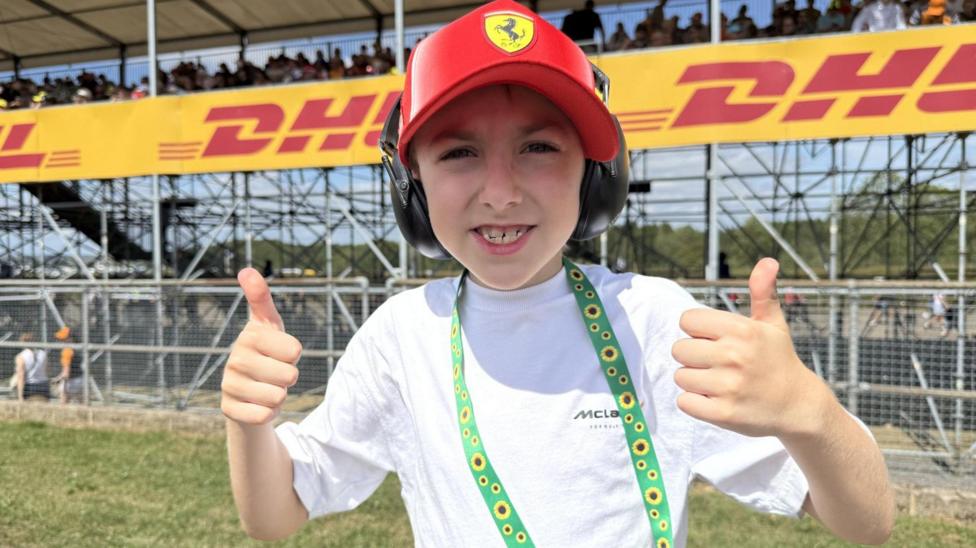
Silverstone's Quiet Revolution: Making F1 Accessible for Autistic Fans
Silverstone's sensory accessibility initiatives are transforming the British Grand Prix experience for neurodivergent fans who once found racing impossibly overwhelming.
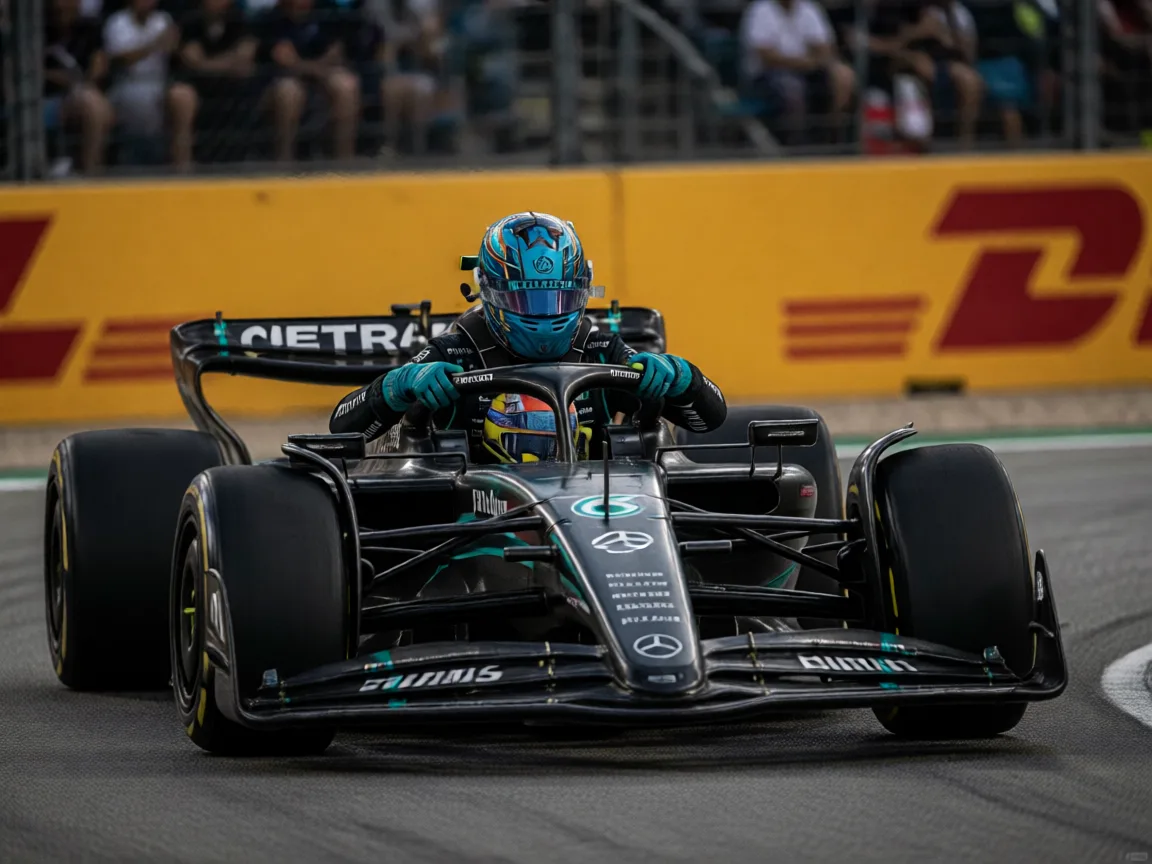
At Spa, the Algorithm Called the Shots and Drivers Paid the Price
George Russell's energy system failure at Spa-Francorchamps exposed growing driver frustration with computer-controlled power deployment.
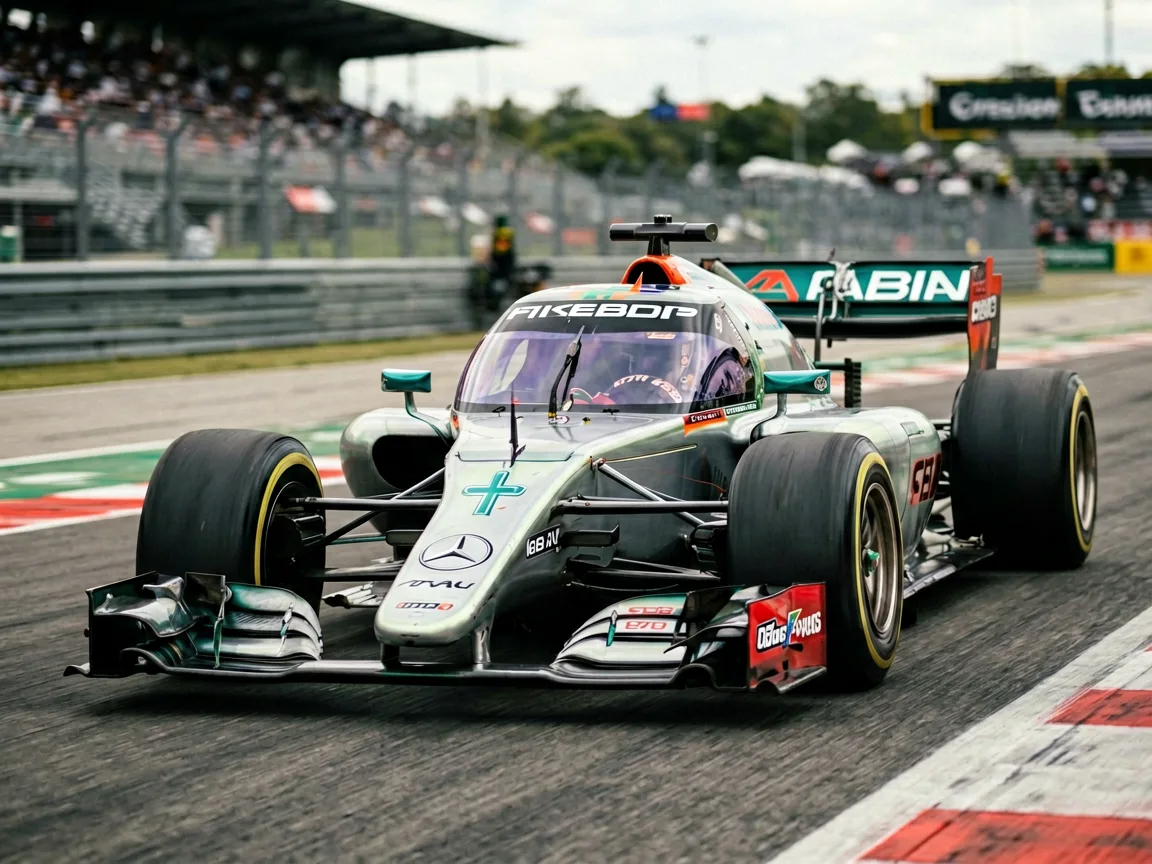
Mercedes Falling Behind as McLaren and Ferrari Accelerate Development Race
Kimi Antonelli concedes Mercedes have lost ground in the development war as McLaren and Ferrari pull ahead entering Hungary.