Fergie, Beckham, and Chocolate: Separating Fact from Football Fiction
Exploring how enduring myths about Ferguson, Beckham, and even chocolate shape football's unreliable history.
Ferguson Won 13 League Titles and 2 European Cups Over 26 Years
The "hairdryer treatment" became cultural shorthand for Sir Alex Ferguson's management, but his longevity at Manchester United owed more to tactical adaptability than intimidation. He integrated sports science as the game evolved and shifted formations to suit his personnel. His adoption of the 4-4-2 diamond in the late 1990s, often flattened into a single stroke of genius, was a deliberate response to his available players. Pre-match mind games form part of the legend, though concrete evidence for them is largely anecdotal. Ferguson's success relied on coaching adjustments and controlled narrative management in equal measure.
Beckham's 80 United Goals and the Defensive Discipline Problem
Beckham earned 115 England caps and played a central role in United's 1999 Treble, scoring 80 goals and delivering crossing accuracy that consistently exceeded 25% during his peak seasons. The popular story that he left purely for glamour ignores Ferguson's public frustration with Beckham's declining defensive work after the 2002 World Cup. His move to Real Madrid aligned with the club's galáctico recruitment strategy rather than functioning as a standalone brand play. Beckham blended elite delivery with unprecedented commercial growth for the sport, but his on-field contributions at Old Trafford were substantial enough to stand without the celebrity framing.
His career trajectory also reflected the globalization of player power accelerated by the 1995 Bosman ruling. Ferguson responded to that shift by investing heavily in youth development rather than simply outspending rivals.
Cadbury's £1.5 Million Annual Deal and the Chocolate Ritual Myth
Cadbury partnered with Manchester United from 1988, paying £1.5 million annually to place their logo on training kits. Whispered stories about players' pre-match chocolate rituals circulated within the game, though sports scientists rarely confirmed them. A documented case came in 2003, when Arsenal banned players from eating chocolate before matches over dietary concerns, an example of minor details hardening into coaching doctrine. Sponsorship deals like Cadbury's tend to be remembered for nostalgic kit designs rather than the financial infrastructure they represented.
Sponsorship money, tactical shifts, and player empowerment trace football's modern architecture more accurately than the folklore built around them. Managers, players, and corporations become avatars for broader narratives of ambition and commerce, while their concrete contributions get filed under myth.
Editorial Integrity
This is an original SportPulse article written by our editorial team. All content is independently researched, written, and reviewed by our writers and editors before publication. We do not publish copied, aggregated, or syndicated content.
SportPulse is committed to original sports journalism. Read our editorial policy or contact us with any questions.
More Like This
All football
How Stoke City Can Keep Spending Under Championship Squad Cost Rules
Football finance expert Kieran Maguire breaks down how Stoke City can navigate Championship Squad Cost Rules and still spend big this summer.
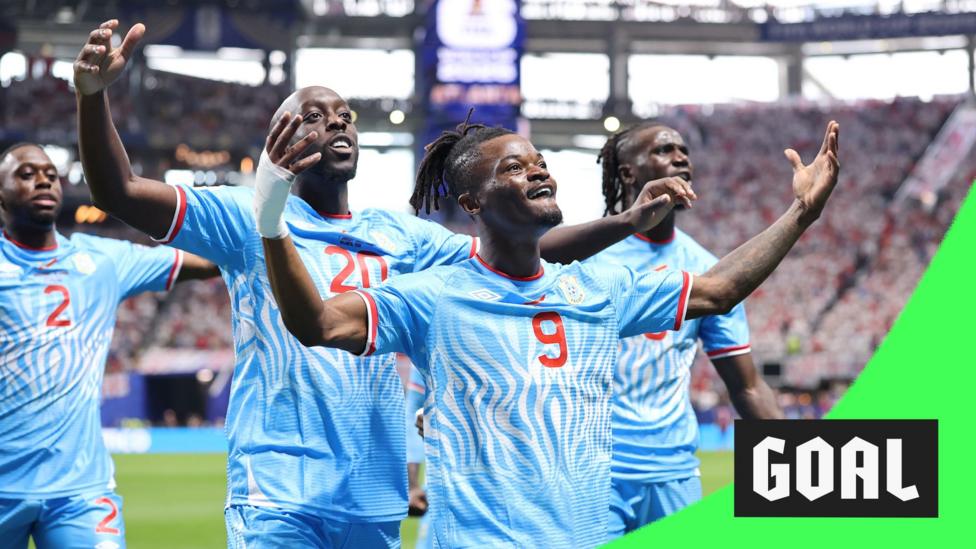
Cipenga's Stunning Strike Rocks England as DR Congo Dream Big in Atlanta
Brian Cipenga's early wonder goal gave DR Congo a shock lead over England in a World Cup knockout stunner.

Philadelphia's Tailgate Gamble Is A World Cup Cultural Masterstroke
Philadelphia bet on tailgating culture for the 2026 World Cup. It is the smartest decision any US host city has made.