FIFA's Semi-Final Ball Switch: Tradition Meets Tactical Reality
Why FIFA swaps the match ball at the World Cup semi-final stage and what it reveals about modern football's relationship with equipment, psychology, and competitive integrity.
The 4-2-3-1 has a new variable. After 100 matches of the World Cup, FIFA has introduced a different match ball for the semi-finals. On the surface, this seems like a routine and ceremonial adjustment, a fresh aesthetic for the tournament grand finale. But below the surface lies a complex intersection of sporting integrity, commercial strategy, and the increasingly sophisticated science of ball design.
The Ball as a Tactical Instrument
Modern footballs are not merely inflated synthetic leather. They are engineered performance tools that influence pressing systems, passing geometries, and the aerodynamic behaviour of every dead-ball situation. FIFA's decision to change the match ball at the semi-final stage after a century of games raises important questions about consistency at critical moments of a major tournament.
Teams spend weeks in pre-tournament camps internalising the characteristics of a specific ball. Its tactile feedback, its flight trajectory from distance, and its bounce on different surfaces become deeply embedded in the neuromuscular memory of elite players. The modern game demands such fine precision in its pressing triggers and build-up structures that a change in the primary instrument of play is a legitimate tactical disruption.
Consider the geometry of a compact mid-block system. The defensive line must calculate the flight of a long diagonal pass by fractions of a second. A new ball with even slightly altered glide characteristics recalculates that equation entirely.
What the Numbers Say
- 100 matches played before the semi-final ball change
- Approximately 60 World Cup editions have featured a distinct ball progression or evolution
- Engineering cycle for a World Cup ball can span up to 4 years
Commercial Logic Behind the Change
The commercial architecture of the World Cup is fundamentally tied to the visibility of its equipment. FIFA's longest-standing commercial partner traces its tournament partnership back to the 1970 World Cup, supplying every match ball across 14 consecutive tournaments.
The semi-final stage represents the peak global viewership window. By introducing a distinct ball for the final four matches, FIFA maximises commercial exposure. The final four matches draw the world's largest audiences and thus command the highest premium for brands seeking visibility through the tournament's primary physical icon.
This is a classic leverage strategy. The match ball is the single most visible object on the pitch. Every pass, every cross, every set-piece delivers another impression of the tournament brand.
The Anatomy of a Modern Ball
To understand the full tactical implications of changing balls, one must first understand what a modern ball is in terms of engineering and aerodynamics. Since the introduction of the newest continuous panel system designs, match balls have evolved dramatically in their aerodynamic properties.
The current generation of World Cup balls features fewer panels and a glued panel surface designed to reduce drag and stabilise flight. Players universally report that modern balls fly truer through the air but move faster. This fundamentally alters the geometry of modern passing systems. A team operating with a double pivot in a 4-2-3-1 relies on crisp ball circulation to move the opponent's block. A faster ball flight compresses that decisive window.
What the Numbers Say
- 8 panels are typically used in modern match balls, down from 32 panels in classic designs
- Approximately 40 World Cup matches have been played with each ball generation in recent research cycles
- A modern ball can travel at speeds exceeding 80 km/h on average during a competitive match
- 4 years of engineering development behind each tournament cycle's ball design
"The ball is not a tool. It is a co-author of the tactical script. When the ball changes, the entire script must be rewritten."
Tactical Shift
The sudden introduction of a new ball at the semi-final stage forces a distinct tactical recalibration. Teams that advanced through a tournament playing high-tempo possession systems now face a ball that responds differently to identical spatial conditions.
A new ball alters the speed of the long switch, the art of a deliverable long ball, and the spin of a corner kick. The ball becomes a central figure in how the semi-final tactical scripts are written. Consider a team transitioning from a deep-lying 4-4-2 to an advanced pressing 4-3-3 during the knockout phase. The pressing intensity is calculated on the specific time it takes for the ball to travel between defined spatial zones.
If the new ball covers that distance significantly faster due to different surface drag, the entire timing mechanism of a compact defensive block is recalculated. The trigger moment must come earlier. The closing angle must be sharper. The entire team's shape shifts from its established rhythm. New ball dynamics fundamentally alter the most rehearsed and complex tactical concepts of the modern game.
The Psychophysical Dimension
Beyond cold aerodynamics, there is a psychological layer to this transition. Goalkeepers, in particular, form obsessive relationships with the ball. The profile of a new match ball alters their perception in dead-ball situations and their visual calculation of long-range strikes.
Throughout a six-week tournament, a goalkeeper accumulates vital visual data on how the ball moves through the air. This implicit visual data governs their unexpectedly precise actions. A ball change in a semi-final introduces a new sensory variable into the most pressurised moments of a player's career. This forces them to recalibrate their visual and motor timing under immense pressure.
This psychological disruption is not trivial in a tournament where margins are measured in centimetres and split-second decisions. All goalkeepers at the elite level work with sports psychologists to internalise the implicit variables of a football, including the unique visual span of the ball and its unpredictable movement trajectory. Changing that variable at the penultimate stage disrupts the carefully calibrated mental framework.
Semi-Final Historical Performance
This tradition introduces a unique variable back into the semi-final equation beyond standard tournament progression. The final four match balls represent the conclusion of a long supply and research cycle. The balls used in the final four matches are typically subject to an additional phase of player feedback and laboratory refinement, meaning the semi-final squads encounter them for the first time at the peak stage of global competition.
This factor fundamentally alters the preparation and psychological approach of a semi-final squad. Analysis departments spend weeks evaluating set-piece routines and pressing structures. But they cannot duplicate the precise aerodynamic variables of a new ball in training until the final delivery is genuinely unboxed at the stadium.
The key question is whether the introduction of a new ball at the semi-final stage constitutes an unfair competitive disruption at the most critical phase of the tournament. After 100 World Cup matches played with a single primary ball model, the introduction of a distinct variant for the final four games means the tournament's grand finale is played with different physical equipment than the earlier rounds.
"We do not ask for perfection. We ask for consistency. But we do not always get it."
The Deeper Implications
The semi-final ball change highlights a central tension within modern tournament football. The sport's increasing commercialisation demands new visibility windows, while the sporting integrity principle demands maximum consistency. More broadly, it highlights the growing conceptualisation of the football itself as a tactical variable rather than a static constant.
Coaches in elite football have increasingly referenced the match ball as a tacit element of tactical preparation. The ball should never be a legitimate excuse for a result, but it is increasingly recognised as a genuine variable in the tactical equation.
This particular World Cup final four deliverable will now be remembered as the decisive ball that defined this tournament. The semi-final squads will have just days to adapt to its unique characteristics before taking the pitch for the most crucial football matches of their lives.
Looking Ahead to the Final
The tactical story of the World Cup final will be partly written by the competition between the established tactical systems of both finalists and the unique behaviour of this new ball in the final venue stadium. The finalists' analysts will spend days extracting new data on its flight characteristics from open training sessions.
For a sport that increasingly lives at the margins of data and video analysis, the ball represents a rare and unpredictable variable that modern tactical planning cannot fully internalise. The next World Cup will follow the exact same pattern. The football itself will continue to play its own unique, co-authorial role in the tactical narratives of these tournaments.
The core tactical question for the final descent remains whether a new ball will subtly disrupt the familiar passing geometry of a favoured finalist, or whether its enhanced flight characteristics will reward a team prepared to take more ambitious and longer-range risks at the most critical moments of the grand finale.
Editorial Integrity
This is an original SportPulse article written by our editorial team. All content is independently researched, written, and reviewed by our writers and editors before publication. We do not publish copied, aggregated, or syndicated content.
SportPulse is committed to original sports journalism. Read our editorial policy or contact us with any questions.
More Like This
All football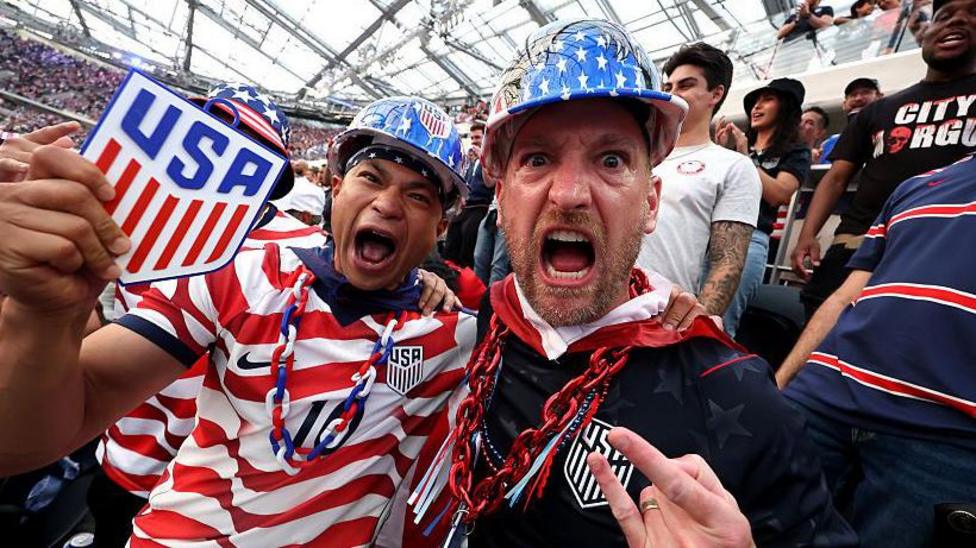
Is Football Finally Breaking America? The World Cup Says Yes
Three weeks into the World Cup, something is shifting in American sports culture — and this time it might stick.
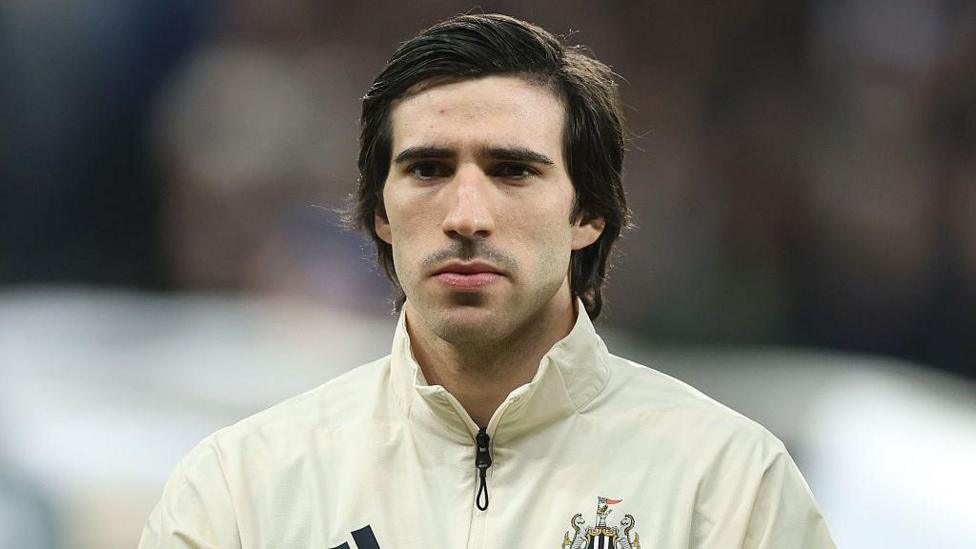
Tottenham Target Tonali: Masterstroke or Mismatch?
Ange Postecoglou's Spurs are circling Newcastle's Sandro Tonali, a move that could redefine their tactical architecture.
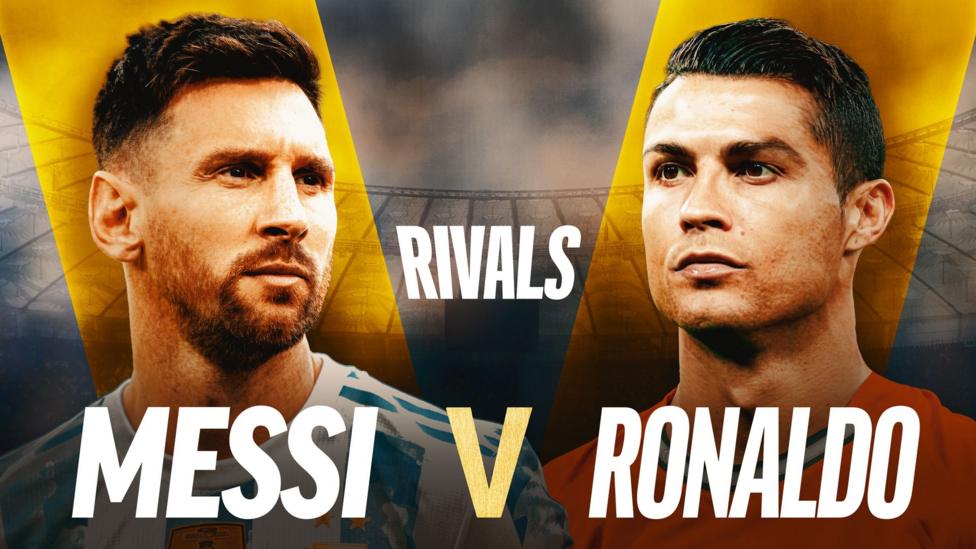
The Duality of Greatness: How Messi and Ronaldo Redefined Football
Messi and Ronaldo did not just dominate football; they engineered a new paradigm of athletic excellence.