The Duality of Greatness: How Messi and Ronaldo Redefined Football
Messi and Ronaldo did not just dominate football; they engineered a new paradigm of athletic excellence.
The Architect and The Engine
Lionel Messi and Cristiano Ronaldo did not merely coexist in modern football. They dismantled the existing hierarchy and constructed a new reality where individual brilliance was no longer a supplement to team success but the primary engine driving it. For nearly two decades, the conversation around the greatest player in the world has been less about comparing two men and more about analyzing two distinct philosophies of dominance.
This rivalry transcended statistics. It was a clash of aesthetics versus efficiency, intuition versus industrialization. While other eras were defined by collective tactical systems, the Messi-Ronaldo era was defined by the gravitational pull of two singular forces. Their presence warped the tactical landscape of every league they inhabited, forcing opponents to build entire defensive structures around neutralizing just one of them, often leaving the other exposed.
The Statistical Monopoly
To understand the scale of their monopoly, one must look at the numbers that defied logic. Between 2008 and 2018, Messi and Ronaldo won a combined 11 Ballon d’Or awards. In that same decade, they scored a staggering 1,346 goals in all competitions. This is not a marginal lead over their peers. It is an insurmountable gap.
Consider the Champions League, the ultimate test of elite performance. Messi holds the record for most goals scored in the competition’s history with 129 goals. Ronaldo follows closely with 140 goals, having played significantly fewer matches in the early stages of his career due to his earlier debut in the tournament. Together, they account for a significant portion of the competition’s total historical output. Their consistency was not accidental. It was systemic.
Messi’s ability to control the tempo of a game while maintaining a pass completion rate often exceeding 85% in high-pressure environments allowed him to dictate play from deep positions. Ronaldo, conversely, evolved from a winger into a poacher of unprecedented efficiency, becoming the first player to score 100 official international goals. These metrics highlight two different paths to the same summit: one through creative omnipresence, the other through physical and technical perfection.
Tactical Evolution and Adaptation
The true genius of this era lies in how both players adapted to changing tactical landscapes without losing their core identity. Messi began his career as a classic number ten, drifting inside from the left wing. As defenses grew more compact and physical, he dropped deeper into midfield, effectively becoming a false nine or a playmaker from the center. His vision and passing range expanded, creating 3.2 key passes per game on average during his peak years at Barcelona.
Ronaldo faced a different challenge. As he aged, his explosive pace diminished, but his aerial ability, positioning, and finishing precision sharpened. He transformed himself into the ultimate penalty box predator. In Serie A, despite skepticism about his physicality translating to Italian tactics, he scored 31 goals in his first season, proving that his skill set was universal. This adaptability ensured that neither player became obsolete as the game evolved.
"They forced us to defend against ghosts. You could mark one, but the other would appear where you least expected."
This quote encapsulates the tactical nightmare they presented. Defenses could not prepare for both styles simultaneously. Messi’s dribbling required compacting the space, which opened lanes for runners. Ronaldo’s movement required marking him tightly, which created space for others. They exploited the inherent contradictions of defensive organization.
The Global Impact
Beyond the pitch, Messi and Ronaldo globalized the sport in ways previously unimaginable. Their rivalry drove jersey sales, broadcast viewership, and social media engagement to record highs. During the peak of their rivalry, Real Madrid and Barcelona matches regularly drew 100 million viewers worldwide. The Premier League saw a surge in global interest partly due to Ronaldo’s impact at Manchester United and later his move to the Saudi Pro League, which shifted the economic gravity of football.
Their influence extended to youth development. Across the globe, young players began emulating their techniques. Messi’s low center of gravity and close control inspired a generation of dribblers. Ronaldo’s dedication to fitness and heading technique influenced athletes in rugby, basketball, and football alike. They became archetypes of professional excellence, demonstrating that talent alone was insufficient without relentless work ethic and mental fortitude.
The Post-Era Landscape
With Messi now playing in Major League Soccer and Ronaldo in the Saudi Pro League, the direct rivalry has ended. Yet, the void they leave is palpable. The current generation of stars, including Erling Haaland, Kylian Mbappé, and Jude Bellingham, are benefiting from a game shaped by Messi and Ronaldo’s standards. They have more space, more attention, and higher expectations.
However, the question remains: can anyone replace their dual dominance? Haaland’s goal-scoring machine-like efficiency mirrors aspects of Ronaldo’s final phase, while Mbappé’s speed and dribbling echo Messi’s early years. But none have yet combined the longevity, versatility, and sheer volume of achievements displayed by the Argentine and the Portuguese. The era of two giants sharing the throne is over, but the shadow they cast is long.
Verdict
Messi and Ronaldo did not just dominate their era. They created one. Their rivalry pushed the boundaries of human athletic potential, redefined tactical approaches, and elevated the commercial and cultural stature of football globally. Whether one prefers the magic of Messi or the machinery of Ronaldo is a matter of personal taste, but acknowledging their collective impact is a matter of historical fact. They are not just the best of their generation; they are the architects of modern football.
The Bottom Line
The Messi-Ronaldo era was a unique convergence of talent, timing, and temperament. It was a period where two individuals could carry the weight of the world’s most popular sport on their shoulders for nearly twenty years. As we look to the future, we will measure all new talents against their benchmarks. The bar is set impossibly high, and it is unlikely to be reached again for generations.
Editorial Integrity
This is an original SportPulse article written by our editorial team. All content is independently researched, written, and reviewed by our writers and editors before publication. We do not publish copied, aggregated, or syndicated content.
SportPulse is committed to original sports journalism. Read our editorial policy or contact us with any questions.
More Like This
All football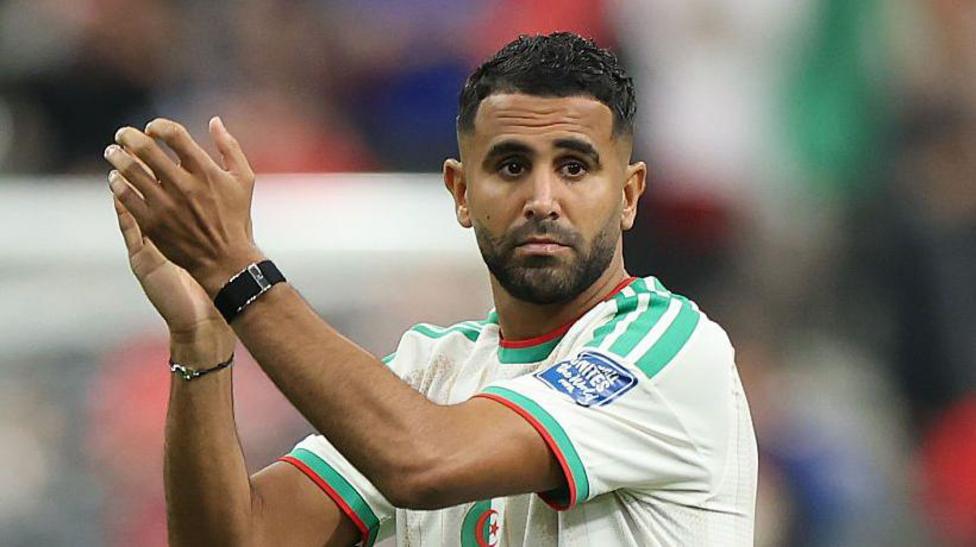
Mahrez Retires from Algeria Duty After World Cup Exit
Riyad Mahrez's international retirement after Algeria's World Cup defeat marks the end of a tactical era built around his right-flank superiority.
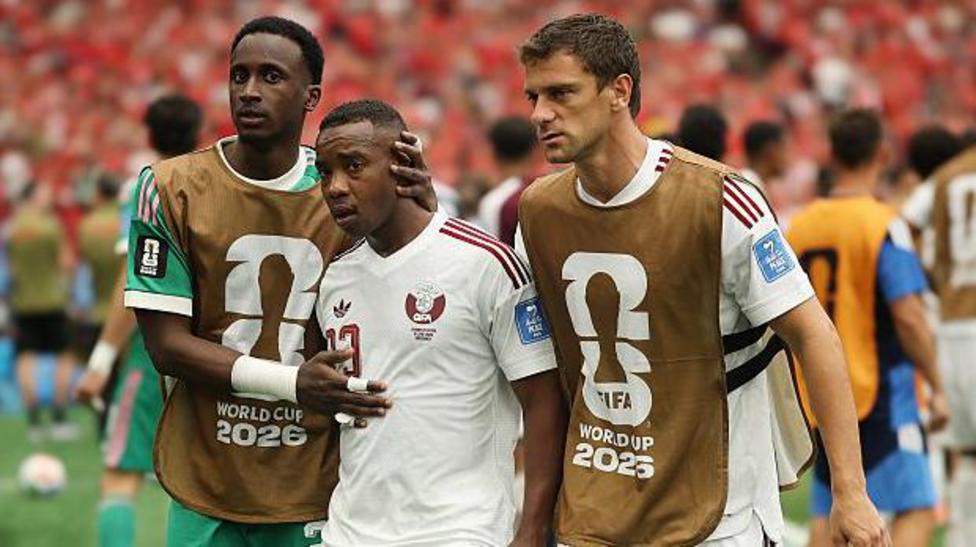
Madibo Ban Exposes FIFA's Disciplinary Inconsistency
Assim Madibo's five-match ban for breaking Ismael Kone's leg highlights the persistent inadequacy of FIFA's disciplinary framework.
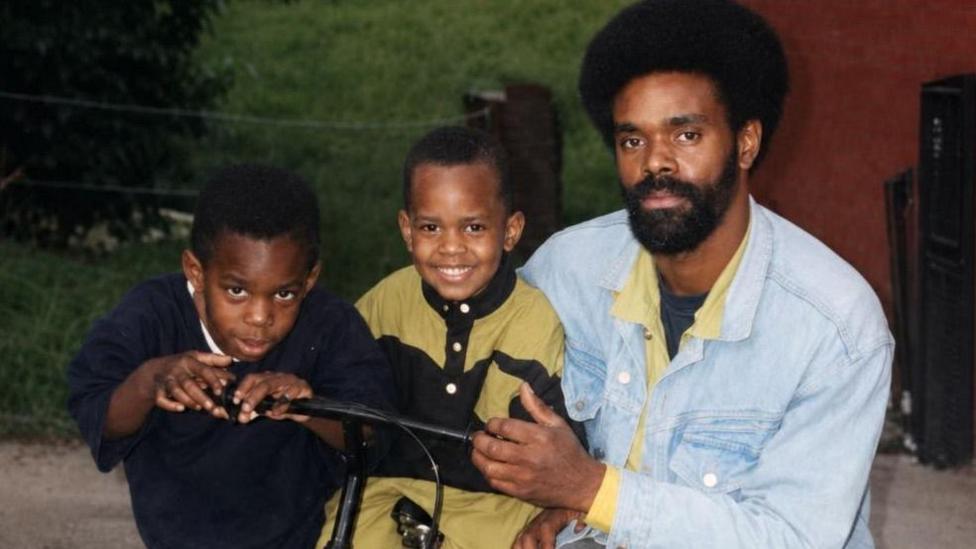
He Was My Biggest Fan: Micah Richards and a Father's Final Whistle
Hours before England's World Cup semi-final heartbreak, Micah Richards lost his father Lincoln. He went on air anyway.