The Brands FIFA Tried to Silence Became the Loudest Story at the World Cup
FIFA's crackdown on unofficial sponsors keeps backfiring spectacularly — and the Streisand Effect is eating their commercial model alive.
The Irony That Keeps Scoring Goals
FIFA spent decades building one of the most lucrative sponsorship ecosystems in global sport. Then it spent even more energy trying to protect it — and in doing so, handed the spotlight to the very brands it wanted to shut out.
It's a pattern that has repeated across multiple World Cup cycles with almost comical consistency. Every time FIFA tightens its grip on who gets to be visible during the tournament, the brands on the outside generate more noise than the official partners paying hundreds of millions for the privilege.
The Streisand Effect isn't just a media theory anymore. In FIFA's world, it's a recurring revenue problem.
How the Sponsorship Fortress Works
To understand why this keeps happening, you need to grasp the scale of FIFA's commercial machine. Official World Cup sponsorship packages don't come cheap. Top-tier "FIFA Partners" have historically shelled out between $100 million and $200 million per cycle for exclusive category rights. Below that sits a "World Cup Sponsors" tier and a "Regional Supporters" layer, each with their own price tags and territorial carve-outs.
In return, these brands get the exclusive right to associate their names, logos, and products with the tournament. No competitor in their category gets in. FIFA enforces this with a legal infrastructure that includes so-called "clean venue" policies — stadium zones stripped of any non-authorized branding — and massive exclusion zones around match sites.
Host nations are often required to pass special legislation protecting FIFA's intellectual property and commercial rights. During the 2010 World Cup in South Africa, the country enacted the 2010 FIFA World Cup South Africa Special Measures Act, which gave FIFA extraordinary powers to control commercial activity near venues.
The intent is total commercial control. The reality has been anything but.
Bavaria Beer, Beats by Dre, and the Art of Getting Banned
The history of ambush marketing at the World Cup reads like a masterclass in earned media.
During the 2010 tournament, Dutch brewing company Bavaria sent 36 women wearing orange mini-dresses into a match between Denmark and the Netherlands. The dresses were Bavaria-branded, and the stunt was designed to upstage Budweiser, FIFA's official beer partner. FIFA responded with outrage. Security ejected the women. South African police detained two of them. The story dominated global headlines for days.
Budweiser paid millions. Bavaria paid for a few dresses and some plane tickets. Guess which brand the world talked about.
Four years later in Brazil, the pattern repeated with Beats by Dre. FIFA's official audio partner was Sony, but a string of high-profile players — including Neymar, who was seen wearing Beats headphones before matches — gave the brand visibility that no sponsorship deal could replicate. FIFA banned players from wearing Beats products at official events. The ban itself became a massive news story. Beats' profile soared. Sony's investment looked like it had been pocket-picked in broad daylight.
"You can't legislate attention. The moment you try to forbid something in the age of social media, you're essentially creating a marketing campaign for free." — Dr. Simon Chadwick, professor of sport business
The Digital Era Made the Problem Unsolvable
FIFA's clean-venue policies were designed for a broadcast world where controlling what appeared on screen was relatively straightforward. Stadium boards, pitch-side advertising, and official broadcasts could be managed.
Then social media detonated that model entirely.
A player posting a selfie with a non-partner product to 100 million Instagram followers is worth more than a billboard inside a stadium. A viral fan stunt captured on a smartphone reaches more eyeballs in an hour than a week of official broadcast spots. FIFA can police the stadium. It cannot police the internet.
The numbers underscore the shift. During the 2022 World Cup in Qatar, the tournament generated over 5.95 billion cumulative social media interactions across platforms. Official sponsors controlled exactly zero percent of organic viral moments. Brands that showed up in unexpected ways — through player endorsements, fan culture, or even controversy — captured attention that no contractual exclusivity could replicate.
The modern ambush marketer doesn't even need to sneak anything into a stadium. They just need to show up in the conversation.
Why FIFA Can't Fix This Without Changing Everything
The governing body faces an impossible dilemma. Tightening enforcement makes the banned brands more visible through backlash coverage. Loosening enforcement devalues the exclusivity that official partners are paying for.
FIFA has tried to adapt. Its sponsorship structure has evolved to include more regional and digital-specific packages. It has pushed host nations to expand legal protections. It has gone to court repeatedly.
But the fundamental economics are shifting beneath FIFA's feet. The value of a sponsorship deal is increasingly tied to cultural relevance rather than physical presence. A brand that becomes part of the tournament's narrative — even as the villain FIFA tried to silence — often extracts more commercial value than one that simply bought a board.
Official sponsors know this. And they're watching.
When Adidas pays to be the official match ball supplier while Nike dominates player endorsements across nearly every competing squad, the line between "official" and "ambush" starts to feel artificial. The players themselves are walking billboards for non-partner brands, and FIFA can't strip them off the pitch.
The Locker Room Never Lies
Walk into any mixed zone after a World Cup match and the commercial battlefield is visible in real time. Players sit at microphones wearing official FIFA-branded bibs, but the headphones around their necks and the boots on their feet are often non-partner products. Media officers hover, trying to manage which logos get in front of cameras. Some comply. Some don't.
The tension between FIFA's contractual ambitions and the reality of athlete autonomy creates a low-grade chaos that plays out in every post-match setting. It's controlled in the press conference room. It's wild everywhere else.
FIFA officials have privately expressed frustration that their commercial framework was built for a slower media age. One former marketing executive described the current dynamic as "trying to hold water in your hands — the tighter you squeeze, the more runs through your fingers."
What It Means
The next World Cup cycle — 2026 across the United States, Canada, and Mexico — will be the biggest commercial test yet. FIFA is targeting record sponsorship revenue, reportedly aiming to surpass $2 billion in commercial income for the cycle.
But the tournament will also be the most digitally saturated World Cup in history, hosted across three massive markets with the most fragmented media landscape on earth. Every brand, official or not, will have more tools, more platforms, and more ways to insert themselves into the narrative.
FIFA's clean-venue approach worked when attention flowed through a handful of broadcast channels. It is failing now because attention is everywhere and nowhere at once.
The brands FIFA tries to ban will keep becoming the story. Not because the system is broken, but because it was designed for a world that no longer exists.
The question isn't whether FIFA can stop the Streisand Effect. It's whether its sponsors will keep paying premium prices when the effect keeps proving that the loudest voice in the room isn't always the one with the contract.
Editorial Integrity
This is an original SportPulse article written by our editorial team. All content is independently researched, written, and reviewed by our writers and editors before publication. We do not publish copied, aggregated, or syndicated content.
SportPulse is committed to original sports journalism. Read our editorial policy or contact us with any questions.
More Like This
All football
Japan's Knockout Curse Demands a Coach Who Refuses to Play Safe
After five straight World Cup knockout defeats, the Samurai Blue need Ange Postecoglou's fearlessness to shatter their glass ceiling.

Press vs Possession: Algeria and Austria Collide in World Cup Group J Showdown
Austria's pressing machine meets Algeria's technical flair in a World Cup group decider under the Kansas City lights.
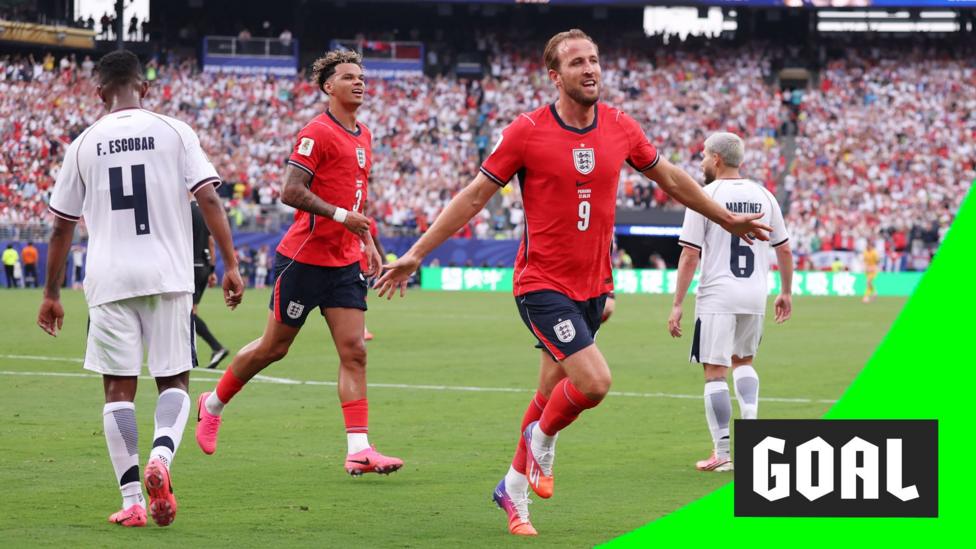
Kane Claims the Throne: England's New World Cup King
Harry Kane surpasses Gary Lineker's long-standing World Cup record with his 11th tournament goal against Panama.