Figo Demands Infantino Quit Over World Cup Sell-Off Scheme
Portugal legend calls Fifa president's private-investor plan deceitful and urges resignation to save football amid growing institutional revolt.
Figo's Broadside
Luís Figo has called Gianni Infantino's aborted plan to sell World Cup stakes to private investors "the lowest, most deceitful and cravenly self-interested behaviour I have ever witnessed." Figo ran against Sepp Blatter for the Fifa presidency in 2015 before withdrawing, which gives him institutional knowledge of how the organisation's power corridors work.
The scheme would have opened the door to private capital taking equity in football's most prestigious tournament. Uefa led the resistance, and Infantino scrapped the proposal. The political damage is already extensive.
"Too late to save his dignity, not too late to save football."
That single line frames resignation as the only remaining act of service Infantino can perform. Figo is not asking for reform. He wants the man to leave.
Infantino's Scrambled Response
The Fifa president called an emergency meeting of staff on Wednesday. Emergency staff meetings at organisations of Fifa's scale are called when internal stability is fracturing, not as routine.
Infantino, 56, is now described as battling for his future. He proposed a scheme that would have fundamentally altered the ownership structure of the World Cup. He abandoned it within a cycle of negative reaction. That sequence, proposing boldly and retreating quickly, erodes authority in governance bodies where confidence is the only real currency.
On Tuesday, after crisis talks in Morocco, Infantino issued a written apology to Fifa's 211 member associations, belatedly conceding the proposal was "a mistake." Uefa was unmoved. The European governing body will continue to push for his removal, treating the apology as insufficient against the damage done.
Uefa's willingness to lead the charge against the proposal signals the European body is prepared to confront Infantino directly. The European confederation controls the most lucrative club competitions and the wealthiest national associations. When Uefa pushes, the financial architecture of the global game shifts.
Forensic Scrutiny Over Politics
Uefa is planning to commission an independent valuation of Fifa's World Cup sale plans after concerns that Infantino agreed to sell the tournament's future profits to a private equity firm at below the market rate. The European body suspects the president may have committed to terms that undervalued the asset before the proposal was withdrawn.
This tactic extends Uefa's opposition beyond political pressure into forensic scrutiny. An independent valuation would produce a benchmark figure against which Infantino's negotiated terms could be compared. If the discrepancy is significant, it becomes evidence that the president was prepared to dispose of Fifa's crown jewel at a discount, strengthening the case for his removal.
The valuation plan also keeps the story alive at a moment when Infantino would prefer it to fade. A written apology and a withdrawn proposal are meant to close the chapter. Uefa commissioning outside analysis ensures the terms of the failed deal face continued examination rather than quiet burial.
Why the World Cup Sell-Off Failed
The World Cup is the one asset Fifa holds that is universally understood as a public trust of the global game. Treat it as an equity vehicle, and the premise of Fifa as a non-profit governing body starts to look threadbare.
Private equity has already pushed deep into football through club ownership, league commercial structures, and media rights packaging. The prospect of that capital reaching into the World Cup itself triggered an institutional reflex among the confederations and associations that depend on Fifa's revenue distributions. Uefa's resistance was financial. Private investors taking a stake in the World Cup means a slice of future revenue going to entities whose mandate is shareholder return, not football development.
For the associations outside Europe, many of which rely on Fifa development grants and World Cup redistribution to function, the arithmetic matters. If a private investor takes a cut of World Cup revenue, the pool available for distribution shrinks. The proposal put Infantino in the position of asking member associations to accept less so that private capital could enter the frame.
Figo's Call Meets a Governance Vacuum
Figo's call for resignation lands at a moment when Fifa's governance credibility is already strained. The post-Blatter era promised reform. Infantino was supposed to represent a break from the scandals that defined the previous administration. The World Cup privatisation scheme reads like an attempt to monetise the organisation's crown jewel without building consensus among stakeholders.
Infantino withdrew the proposal rather than forcing a vote. A president with secure support would push controversial initiatives through the governance machinery. Retreating before the formal opposition crystallises suggests he could not count on the votes. The proposal was unsupported.
Inside Fifa's Zurich headquarters, the atmosphere is reported to be tense. When the leader calls an all-hands meeting after a public reversal, the question everyone asks is what comes next. Figo has provided an answer. He wants it to be resignation.
Infantino Without a Headline Initiative
Infantino's immediate challenge is political survival. The World Cup sell-off was his signature commercial ambition for this cycle. Its collapse has left him without a headline initiative and facing a Uefa-led coalition that has demonstrated both the willingness and the capacity to block him.
The written apology to member associations was intended to draw a line under the affair. Uefa's decision to press ahead with an independent valuation, and to continue demanding his removal, confirms that the European body treats the concession as tactical rather than substantive.
The bridge to institutional investors, which Infantino was trying to build, has been burned for the foreseeable future. Any future attempt to bring external equity into the World Cup structure will carry the memory of this retreat, and now the prospect of independent auditors examining whether the terms undervalued the asset.
For the associations watching from outside Europe, the episode is a warning shot. The World Cup's revenue model is the foundation of how the global game is funded at the grassroots level. Any proposal that threatens that model, whatever its commercial logic, will face the same resistance that brought this one down.
Updated: 2026-08-05 - Added Uefa's plan to commission an independent valuation of the World Cup sale terms, and Infantino's written apology to 211 member associations, which Uefa rejected while continuing to push for his removal.
Editorial Integrity
This is an original SportPulse article written by our editorial team. All content is independently researched, written, and reviewed by our writers and editors before publication. We do not publish copied, aggregated, or syndicated content.
SportPulse is committed to original sports journalism. Read our editorial policy or contact us with any questions.
More Like This
All football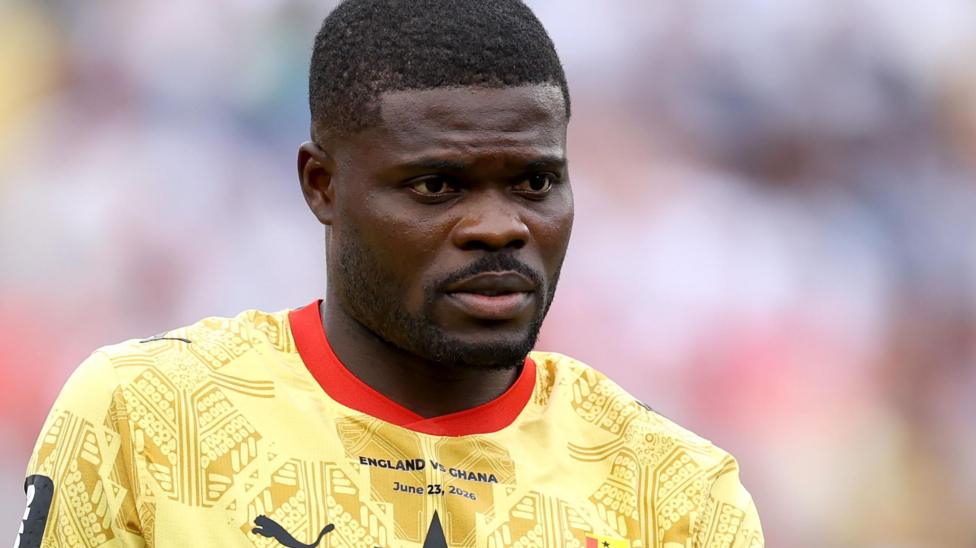
Spence's Cold Shoulder: The Partey Handshake Moment That Spoke Volumes
A viral pre-match clip between Djed Spence and Thomas Partey raises questions about football's unwritten codes before a World Cup showdown.
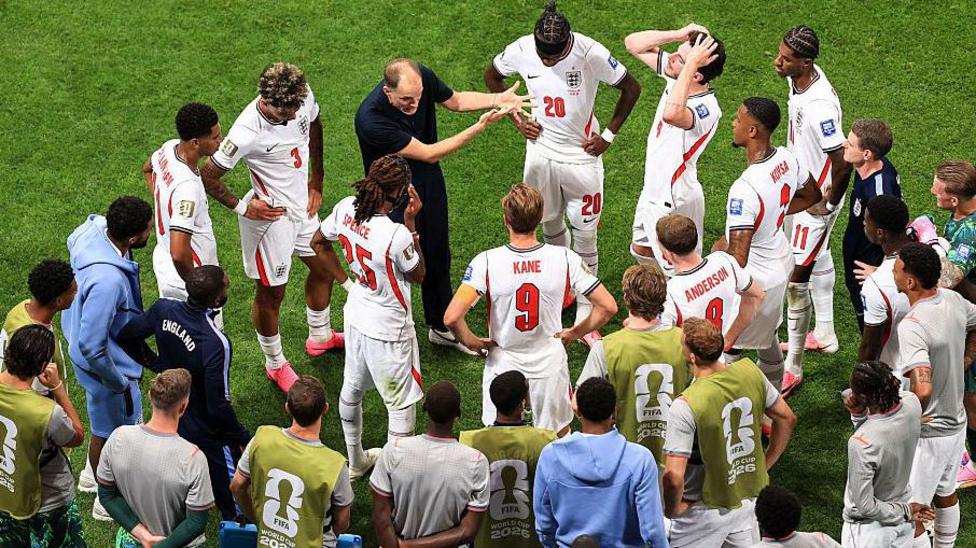
Hydration Breaks or Tactical Masterstrokes? Inside England's Comeback
England rallied past DR Congo to reach the last 16, but did scheduled cooling breaks rewrite the script of the match?
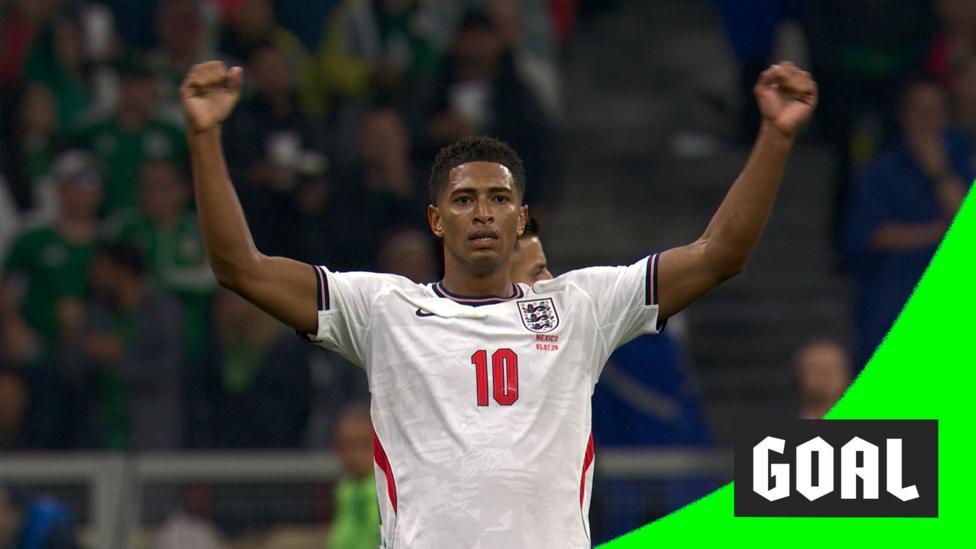
Bellingham Silences Mexico City: England's Golden Head Prevails
Jude Bellingham's back-post header against Mexico transforms a fraught last-16 clash into stage for his relentless ascent.