Henry vs Lalas: Fox's World Cup Booth Has Become a Culture War in Cleats
Fox's World Cup broadcast pits Thierry Henry's tactical depth against Alexi Lalas' empty bluster—and the contrast is deafening.
The Broadcast Nobody Asked For — And the One Everyone Needed
Fox's World Cup coverage has always been a strange beast: massive production budgets colliding with analysis that rarely rises above the level of a tailgate debate. In previous tournaments, the network leaned into volume over substance, banking on the premise that American audiences wanted energy, not insight. That gamble delivered diminishing returns. By the time the 2022 cycle wrapped, the consensus among serious football fans in the U.S. was damning — Fox's studio show was something you muted, not something you watched.
Enter Thierry Henry and Zlatan Ibrahimović.
Fox's decision to pair two of the most decorated European strikers of their generation with their existing cast was, on paper, a masterstroke. Henry alone brings a résumé that dwarfs most broadcasting panels worldwide: 228 goals for Arsenal, a Champions League winner's medal with Barcelona, a World Cup winner's medal with France, and nearly a decade as a coach at the highest level. Ibrahimović, meanwhile, adds the kind of gravitational charisma that actually justifies the word "personality" — something Fox's previous approach had tried to manufacture rather than discover.
The presence of these two has thrown the network's eternal reliance on Alexi Lalas into uncomfortably sharp relief.
The Lalas Problem
Lalas has been a fixture of American soccer broadcasting for the better part of two decades. As a player, his career was solid but unspectacular: 96 caps for the United States, a stint in Serie A with Padova, and a single memorable World Cup appearance in 1994 that made him a household name largely because of his red beard and guitar-playing persona rather than any extraordinary on-field contribution.
That was thirty years ago. In the three decades since, Lalas has transformed himself into American soccer's loudest media presence — but volume and value have never been the same thing. His analysis typically consists of broad declarative statements delivered with the conviction of a man who has confused confidence with competence. When Lalas offers an opinion, it tends to arrive fully formed, resistant to nuance, and allergic to tactical specificity.
This is the fundamental tension in Fox's current setup. The network has finally assembled panelists who can speak about football at an elite level — Henry's dissection of attacking movement, his understanding of how a high press degrades over 70 minutes, his ability to explain why a particular formation fails without resorting to clichés — and then placed them alongside a man whose primary skill is talking louder than everyone else.
What Henry Actually Brings
The gap in analytical quality is not subtle. When Henry breaks down a passage of play, he does so with the granular detail of a man who has lived inside those moments. He understands, viscerally, what it means to time a run against a high defensive line, because he spent a decade doing it against the best defenders on the planet. He can articulate why a particular pressing trigger failed because he has both executed and coached those systems.
This is not merely "good television." It is genuinely rare. Across global broadcasting, the number of analysts who combine elite playing experience with the communication skills to translate that experience for a general audience can be counted on two hands. Thierry Henry is one of them.
His presence also raises the bar for everyone around him. When Henry dissects a tactical sequence and Lalas responds with a platitude about "wanting it more," the contrast is not just awkward — it is structurally damaging to Fox's credibility as a football broadcaster. The viewer does not need to be a tactics obsessive to feel the difference. One man is teaching them something about the sport. The other is performing the idea of expertise.
The Rebecca Lowe Factor
Credit where it is due: Rebecca Lowe has been the connective tissue holding this experiment together. Her hosting work provides the editorial steering that the panel needs, drawing out Henry's insights while managing the tonal whiplash that inevitably follows when Lalas takes the floor. Lowe has long been one of the most underrated figures in American sports broadcasting, and her role here only amplifies that point.
The question Fox must now confront is whether the current balance is sustainable. Every broadcast is a resource allocation problem: every minute Lalas spends delivering generic commentary is a minute Henry could spend delivering something genuinely illuminating. In tournament coverage, where every match matters and every tactical detail can define a campaign, that opportunity cost is significant.
The Bigger Picture: American Soccer's Identity Crisis
This broadcast tension reflects a deeper issue in American soccer culture. The sport in the U.S. has always existed in an awkward space between two identities: the global game, with its tactical sophistication and obsessive detail, and the American sports entertainment model, which prioritizes personality, hot takes, and narrative conflict over substance.
Fox has historically defaulted to the latter. The Lalas model — confident, loud, unburdened by nuance — is the soccer equivalent of Stephen A. Smith's NBA commentary. It works in a domestic league context where the audience is largely casual. But the World Cup is different. The World Cup brings in viewers who watch the Premier League every weekend, who track xG data and pressing statistics, who understand what a double pivot is and why it matters. For that audience, the Lalas experience is not just disappointing — it is actively alienating.
The hiring of Henry and Ibrahimović suggests Fox understands this, at least partially. The network is clearly trying to bridge the gap between casual and committed audiences. But bridging requires actually moving from one side to the other, not simply placing a foot on each bank and hoping the structure holds.
The Verdict
There is a clear winner in Fox's internal broadcast battle, and it is not close. Thierry Henry represents what American soccer broadcasting could be: authoritative, detailed, and genuinely educational without being condescending. He makes the game more legible for casual viewers and more rewarding for the devoted. His pedigree is unimpeachable, and his delivery is measured in a way that makes every word count.
Alexi Lalas, by contrast, represents what American soccer broadcasting has been — and what it needs to move beyond. His continued prominence on Fox's flagship programming is less a reflection of his analytical merit than of institutional inertia and the network's lingering belief that American audiences cannot handle serious football discourse. That belief is increasingly outdated.
What Comes Next
The real test will come after this tournament. Fox holds broadcast rights to the 2026 World Cup on home soil, the most commercially significant event in American soccer history. The audience for that tournament will be enormous, diverse, and — crucially — more football-literate than any previous U.S. World Cup viewership. The MLS generation is now in its twenties and thirties. Streaming has given millions of Americans access to every major European league. The tactical literacy of the average American football fan has never been higher.
Fox has a choice to make. It can continue to hedge, placing elite analysts alongside legacy personalities in the hope of pleasing everyone, or it can commit to the standard that Henry has set and build a broadcast that treats its audience as intelligent adults who love the sport. The talent is already there. The question is whether the network has the courage to trust it.
Editorial Integrity
This is an original SportPulse article written by our editorial team. All content is independently researched, written, and reviewed by our writers and editors before publication. We do not publish copied, aggregated, or syndicated content.
SportPulse is committed to original sports journalism. Read our editorial policy or contact us with any questions.
More Like This
All football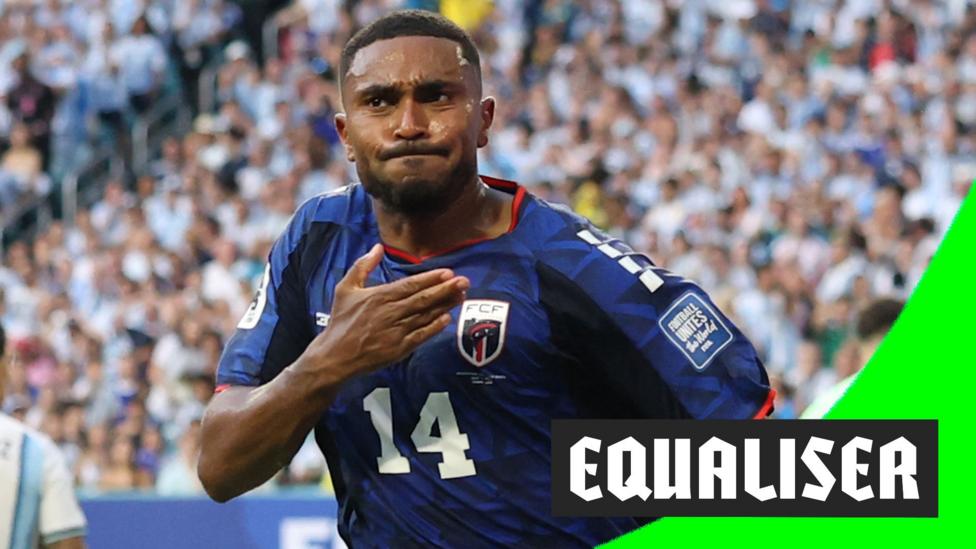
Cape Verde's Duarte Silences Argentina in Miami World Cup Shock
Deroy Duarte's equaliser exposes Argentina's tactical fragility against Cape Verde's ruthless transitions in Miami.

Spain's Beautiful Machine Is Built to Conquer the World in 2026
Twenty simulations, twenty different roads, one destination: Spain lifting the World Cup in North America.
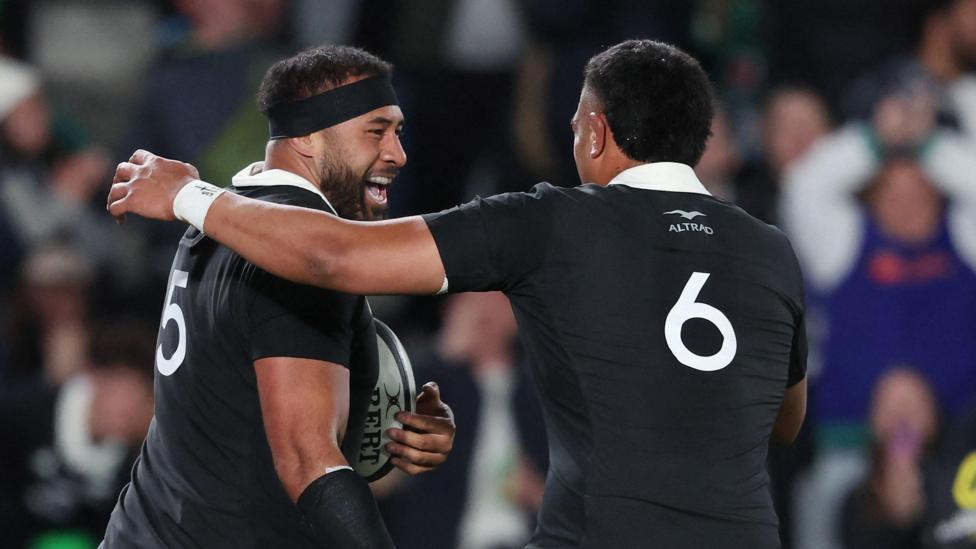
All Blacks Destroy Ireland in Five-Try Eden Park Masterclass
New Zealand preserved their 32-year Eden Park fortress with a ruthless five-try demolition of a overwhelmed Ireland.