Dettori Suffers Broken Ribs in Car Crash, Hospitalized for Recovery
Legendary jockey Frankie Dettori is in hospital after a car crash left him with broken ribs.
A Career Defined by Resilience Faces Its Latest Setback
Frankie Dettori, one of the most decorated jockeys in the history of thoroughbred racing, has been hospitalized after sustaining broken ribs in a car crash. The Italian-born rider, whose career spans more than three decades at the highest level, is currently recovering from the injuries, though further details on the circumstances of the accident remain limited.
The news sent immediate shockwaves through the racing world, where Dettori is not merely a participant but an institution. At 53 years old, the man who famously delivered his iconic "flying dismount" after victories continues to command enormous respect across continents. Any injury to a figure of his stature reverberates far beyond the weighing room.
Broken ribs are among the most common injuries sustained in road accidents, and while they are rarely life-threatening, the recovery timeline presents unique complications for a jockey. The core and upper body are central to a rider's ability to balance, steer, and control a horse at full gallop. Even minor discomfort in the ribcage can compromise posture in the saddle, shift weight distribution, and fundamentally alter the way a jockey communicates with a mount through the reins and stirrups.
The Physiology of Rib Injuries for Jockeys
For most athletes, broken ribs mean a period of rest followed by a gradual return to training. For jockeys, the calculus is considerably more complex. A rider in a race is hunched in a near-crouching position for the duration of the contest, absorbing enormous forces as the horse's stride generates repeated impacts through the saddle. Every stride a horse takes transmits shockwaves through the rider's body, and the ribcage bears a significant portion of that load.
Breathing itself becomes a performance factor. At peak exertion during a race, a jockey's respiratory demands increase sharply. Broken ribs make deep inhalation painful, which directly limits oxygen intake. Over the course of a race lasting anywhere from one to three minutes at sustained high intensity, that deficit compounds. The difference between a winning ride and a fading one can come down to fractions of a second, and compromised breathing erodes the margin.
Additionally, the risk of secondary injury is a genuine concern. A fractured rib that is not fully healed can crack further under stress, potentially puncturing the lung or damaging surrounding tissue. Medical staff will be cautious in clearing Dettori for a return to the saddle, and the jockey himself will need to balance competitive instinct against the reality of his body's current limits.
Dettori's Place in Racing History
To understand why this injury matters beyond one man's personal misfortune, you have to appreciate the sheer scale of what Dettori has achieved. Born Lanfranco Dettori in Milan in 1970, he moved to Britain as a teenager and quickly established himself as a prodigious talent. He became the youngest jockey to ride 100 winners in a British season at the age of 19, a record that hinted at the extraordinary career to come.
His crowning achievement remains the Magnificent Seven at Ascot on September 28, 1996, when he rode all seven winners on a single card at odds that, if combined into an accumulator, would have returned approximately 25,000 to 1. That single afternoon transformed him from a top-tier jockey into a household name, not just in Britain but globally.
He has won virtually every major race worth winning. The Derby, the Oaks, the Prix de l'Arc de Triomphe (a record six times), the 2,000 Guineas, the St Leger, the King George, the Champion Stakes. His partnership with trainer John Gosden produced some of the finest racehorses of the modern era, including Enable, the brilliant mare who won the Arc in consecutive years and captivated a generation of racing fans.
In 2023, Dettori announced what was supposed to be his retirement from European racing, embarking on a global farewell tour that took him to tracks in the United States, Australia, Japan, and the Middle East. That farewell, however, has extended longer than expected, with the rider continuing to accept mounts rather than stepping fully away. It is a testament to his enduring ability that owners and trainers continue to seek his services, but it also means an injury like this one lands at a particularly delicate moment.
The Broader Impact on Racing
Dettori's absence, even temporarily, leaves a void that statistics alone cannot capture. He is racing's most recognizable face, a figure whose charisma and flair have drawn casual viewers to the sport in an era when horse racing competes for attention against football, Formula 1, and the ever-expanding entertainment landscape. Racecourses report higher attendance and betting turnover on cards where Dettori is riding. Broadcasters feature him prominently in promotional material.
For trainers with key entries in the coming weeks, the uncertainty around his fitness creates a logistical headache. Top jockeys book their rides well in advance, and a sudden withdrawal forces trainers to scramble for replacements who may not have the same rapport with the horse or the same tactical instincts in a race situation.
The racing community has responded with an outpouring of support. Fellow jockeys, trainers, owners, and fans have taken to social media to wish Dettori a swift recovery. His resilience over the years has been one of the defining narratives of his career. He has battled weight issues, personal controversies, a six-month ban for a positive cocaine test in 2012, and the physical toll of thousands of race rides. Each time, he has returned with the same irrepressible energy that has made him a beloved figure.
What Comes Next
The immediate priority is straightforward: rest, recovery, and careful medical monitoring. Broken ribs typically take six to eight weeks to heal fully, though the timeline varies depending on the severity of the fracture and the individual's overall health. For a jockey of Dettori's age, the medical team will be particularly attentive to ensuring complete healing before any return to competitive riding.
The larger question is whether this incident accelerates the inevitable conversation about retirement. Dettori has always maintained that he will know when the time is right, and he has resisted pressure to set a firm end date. But a car crash that sidelines him for weeks, at a stage in his career when every missed meeting represents a diminishing opportunity, adds a layer of poignancy to the ongoing narrative.
For now, the racing world waits. Frankie Dettori has built a career on defying expectations, on producing moments of brilliance when circumstances seemed stacked against him. Broken ribs are painful, but they are temporary. If history is any guide, the flying dismount will return.
"I've been knocked down many times in my life, in racing and out of it. The important thing is you get back up. I always get back up." — Frankie Dettori, in a previous interview on his career philosophy
Editorial Integrity
This is an original SportPulse article written by our editorial team. All content is independently researched, written, and reviewed by our writers and editors before publication. We do not publish copied, aggregated, or syndicated content.
SportPulse is committed to original sports journalism. Read our editorial policy or contact us with any questions.
More Like This
All long-reads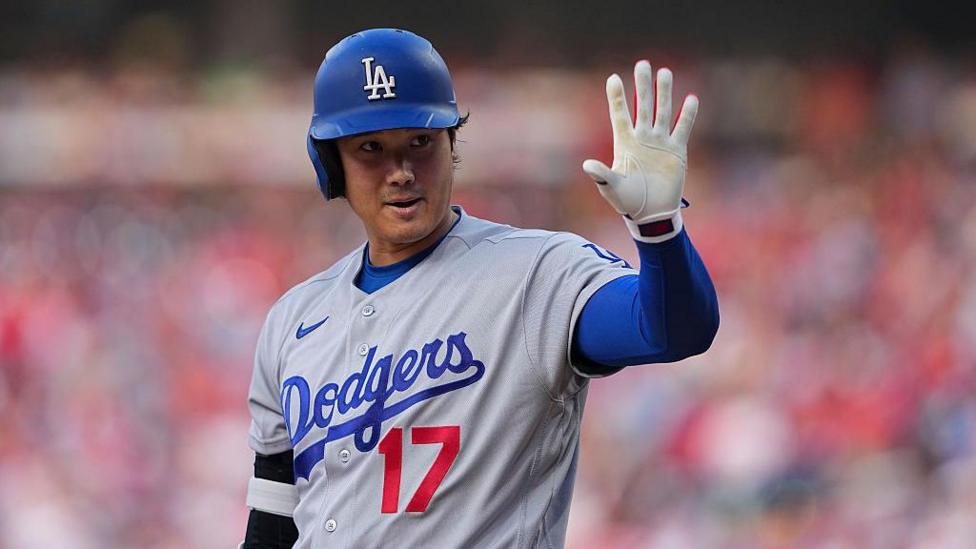
Ohtani and Dodgers to Headline BBC's First Summer of Live MLB Coverage
World Series champions Los Angeles Dodgers will anchor a new live Major League Baseball broadcast deal on the BBC.
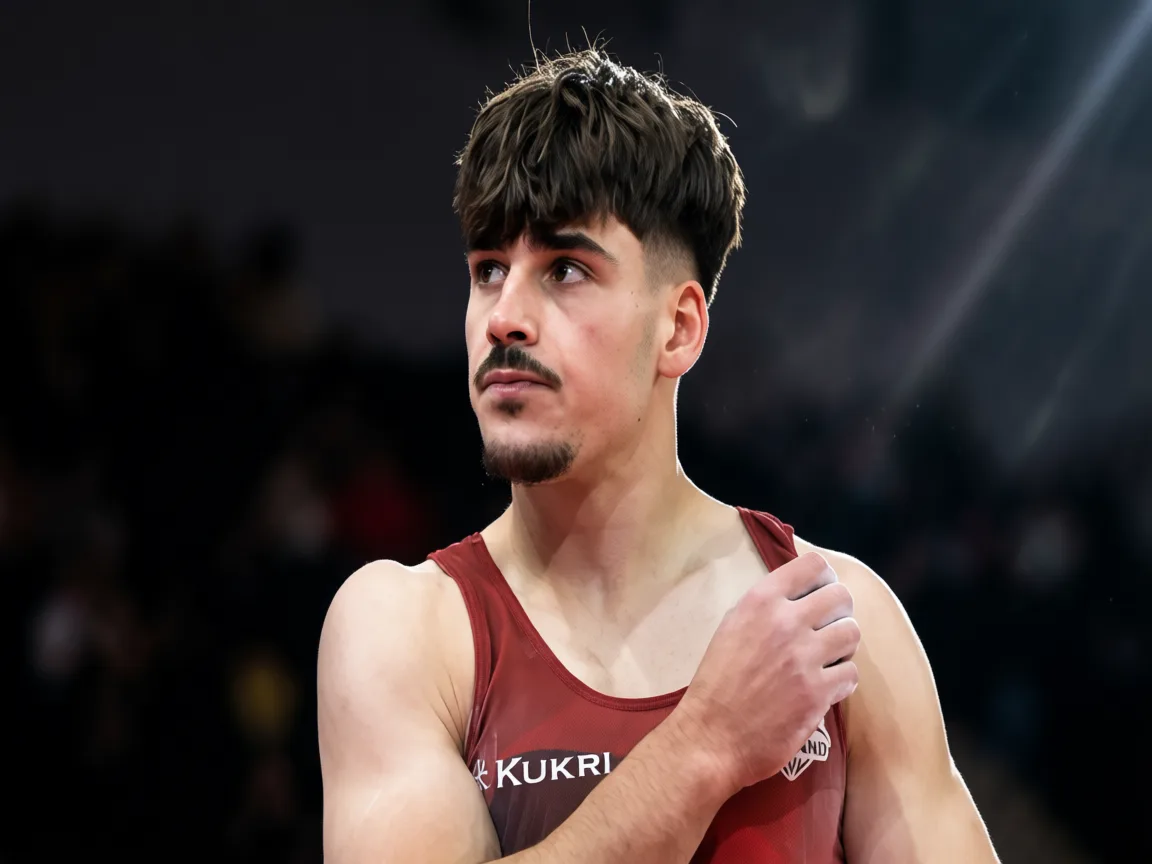
Langton cleared of serious injury after frightening Commonwealth Games fall
English gymnast Gabriel Langton avoids major damage after a sickening fall during Commonwealth Games competition on Friday.
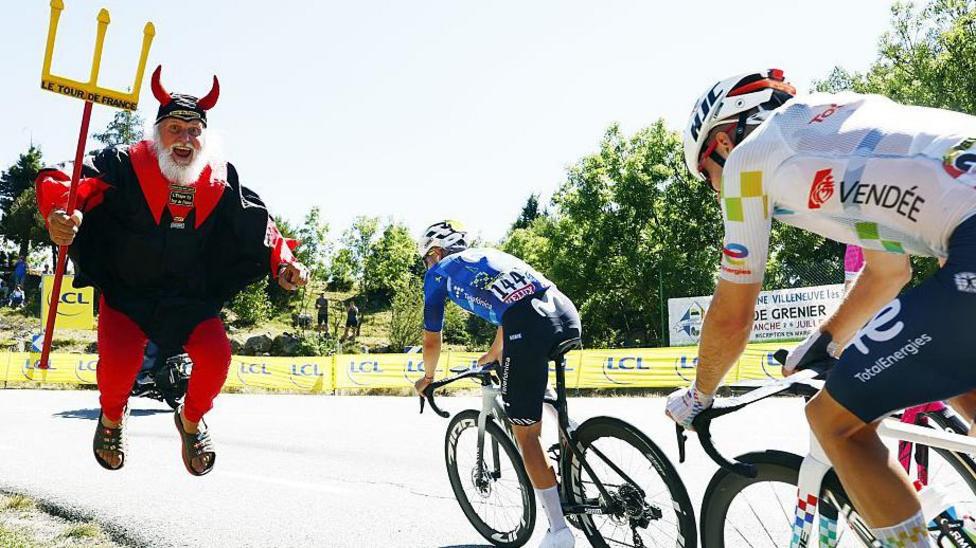
Pogacar's Stage Three Strike: Champion's Instinct or Calculated Execution?
Tadej Pogacar seized yellow with a searing stage three acceleration, blending raw power with chilling tactical intelligence.