Fury Books Thailand Date With Wach as Joshua Superfight Edges Closer
Tyson Fury picks experienced Polish veteran Mariusz Wach in Thailand to shake off ring rust before a blockbuster clash with Anthony Joshua.
The Announcement
Tyson Fury will step into the ring against Poland's Mariusz Wach in Thailand on 24 July, setting the stage for the most anticipated all-British heavyweight showdown in a generation. The fight serves as a calculated tune-up before a potential mega-bout with Anthony Joshua, the contest the boxing world has been demanding for years.
The choice of Thailand as a venue is unconventional. Fury has fought almost exclusively in the United Kingdom and the United States throughout his career. Southeast Asia is unfamiliar territory for a heavyweight of his stature, but the exotic backdrop signals something different: this is about preparation, not spectacle. The real fireworks come later.
Wach is not the headline. Joshua is. Every rep, every round, every ounce of sweat Fury expends on 24 July exists to sharpen the blade for the fight that could define the modern heavyweight era.
Why Wach?
At first glance, the selection of Mariusz Wach raises eyebrows. He is not a household name among casual fans. But dig deeper and the logic is sound.
Wach is a 6-foot-7 veteran with over 35 professional fights on his record. He went the full twelve rounds with Wladimir Klitschko back in 2012, losing by unanimous decision but proving he could absorb punishment from an elite heavyweight and stay upright. That Klitschko fight remains Wach's calling card, and it is precisely the kind of experience Fury needs his opponent to bring.
Fury does not need a tomato can. He needs someone who will make him think, someone who will test his chin and force him to move. Wach's size alone ensures that. Facing another giant across the ring forces Fury to work behind his jab, use his footwork, and engage the defensive instincts that made him one of the most technically gifted heavyweights alive.
There is also a psychological component. Fury has spent significant time out of the ring during his well-documented battle with depression, substance abuse, and ballooning weight. Each fight back is as much a mental checkpoint as a physical one. Wach represents a safe but meaningful step forward. He is durable enough to provide rounds but unlikely to spring an upset.
The Comeback Road
Fury's return to boxing has been one of the sport's most compelling narratives. After dethroning Wladimir Klitschko in Dusseldorf in November 2015 to claim the WBA, IBF, and WBO heavyweight titles, Fury disappeared from the sport entirely. Substance abuse, mental health struggles, and a dramatic weight gain of reportedly over 100 pounds kept him out of the ring for more than two years.
When he came back, the boxing world held its breath. Could the man who outboxed one of the greatest heavyweights in history recapture that form? The early comeback fights answered the question in stages. Fury shed the weight, rebuilt his conditioning, and showed flashes of the movement and ring IQ that had bewildered Klitschko.
His December 2018 fight against Deontay Wilder was the moment the comeback became real. Fury outboxed Wilder for large stretches of the fight, only to be floored twice, including a devastating knockdown in the 12th round that somehow did not finish him. The fight was scored a split draw, and while Fury left without the belt, he left with something arguably more valuable: proof that the old Tyson Fury was back.
The Wach fight on 24 July is the next link in that chain. It is not glamorous. It will not trend on social media the way a Joshua fight would. But it is necessary.
The Joshua Prize
This is what it has always been about. The potential Fury vs. Joshua fight is the heavyweight blockbuster that British boxing has been starving for. Two undefeated (at various points in their careers) British heavyweights, each holding legitimate claims to being the best in the world, finally meeting in the ring.
Anthony Joshua has built his own empire. Olympic gold at London 2012 turned into a professional career filled with highlight-reel knockouts and sold-out stadium shows at Wembley and Principality Stadium. Joshua holds massive appeal across the UK and internationally, and a fight between him and Fury would almost certainly fill a football stadium and generate pay-per-view numbers that would rival anything the sport has produced this century.
The negotiations have been torturous. For years, both camps have circled each other, with mandatory obligations, promotional disputes, and scheduling conflicts repeatedly delaying the inevitable. But the appetite has never waned. If anything, the wait has made the fight bigger. Every Fury tune-up, every Joshua title defense, has added fuel to the fire.
The 24 July fight against Wach is Fury signaling to the world, and to Joshua's camp, that he is serious. He is taking the necessary steps. He is getting rounds in. He is staying sharp. The message is clear: I am ready when you are.
The Heavyweight Landscape
The timing of this fight matters. The heavyweight division is in a state of flux, with multiple credible champions and contenders jockeying for position. Fury needs to stay active and stay visible. A loss or a poor performance against even a modest opponent like Wach could derail the Joshua negotiations entirely.
There is also the matter of Fury's physical state. Ring rust is real, and at the heavyweight level, it can be the difference between a dominant performance and a dangerous one. Fury's style relies on timing, reflexes, and the ability to make reads in real time. Those skills erode quickly without regular competition. The Wach fight is the maintenance work that keeps the engine running.
The atmosphere inside Fury's camp has reportedly been intense. Those close to the fighter describe a man who understands the magnitude of what is ahead. Training sessions have been grueling, with Fury pushing himself through punishing conditioning blocks designed to ensure he enters the ring in peak shape. There is a sense of purpose that permeates everything.
Thailand offers something else as well: isolation. Training abroad removes Fury from the distractions of home, from the media speculation, from the noise. It is a cocoon of focus, and for a fighter whose demons have historically been amplified by idle time and public scrutiny, that isolation could be invaluable.
What It Means
The Wach fight on 24 July is not about Wach. It is about the next fight. And the fight after that. Every heavyweight on the planet knows the trajectory Fury is on, and every single one of them is watching.
For Fury, this is a chance to put rounds in the bank, test his conditioning under real fight conditions, and demonstrate to Joshua's team that negotiations should move forward in earnest. A clean, dominant performance over Wach accelerates the timeline. A labored or sloppy showing creates hesitation.
For the sport, the stakes are enormous. A Fury-Joshua fight would be the biggest British boxing event in decades, potentially eclipsing anything since the Lennox Lewis era. It would unify narratives, settle debates, and produce a definitive answer to the question that has hung over the heavyweight division since Fury dethroned Klitschko: who is the best heavyweight of this generation?
The road runs through Thailand first. Fury knows it. Joshua knows it. The boxing world knows it. Now it is just a matter of execution.
Editorial Integrity
This is an original SportPulse article written by our editorial team. All content is independently researched, written, and reviewed by our writers and editors before publication. We do not publish copied, aggregated, or syndicated content.
SportPulse is committed to original sports journalism. Read our editorial policy or contact us with any questions.
More Like This
All long-reads
Scheffler's Historic 79-Tournament Cut Streak Ends at Scottish Open
World number one Scottie Scheffler missed a cut for the first time since 2022, bogeying his final hole at the Scottish Open.

US Soccer Abandoned Its Search for One Identity and Found Something Better
Decades of chasing a single playing style failed. Now, a chaotic patchwork of cultures has become American soccer's true strength.
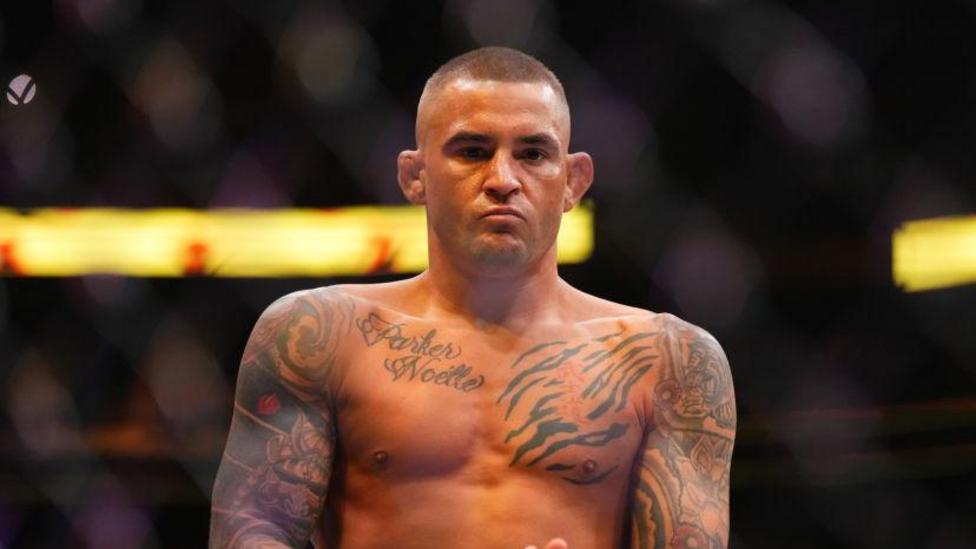
Diamond in the Rough: Poirier's Raw Plea for Help After Arrest
Dustin Poirier admits he needs help after a public drunkenness arrest, exposing the human toll behind MMA's toughest fighter.