Scheffler's Historic 79-Tournament Cut Streak Ends at Scottish Open
World number one Scottie Scheffler missed a cut for the first time since 2022, bogeying his final hole at the Scottish Open.
The Streak is Dead
Scottie Scheffler will play no further part in the Scottish Open. The world number one missed the cut for the first time in 79 tournaments, a staggering run of consistency that dates back to August 2022. A bogey on his final hole of the second round served as the fatal, final blow.
Let that sink in for a moment. In an era where professional golf is increasingly volatile, Scheffler had become a metronome. For nearly two full calendar years, the concept of a shortened week simply did not exist in his professional reality. Every tee time was met with a weekend commitment. Every tournament entry guaranteed four rounds of work.
The numbers attached to this streak are absurd. 79 consecutive events made cuts is the longest active streak in professional golf by a massive margin. It is a testament to a game that rarely breaks down completely, even when the putter goes cold or the ball striking is slightly awry.
Anatomy of a Missed Cut
Golf does not care about your world ranking. The links layout at the Scottish Open demands respect, precision, and a willingness to adapt. The Renaissance Club exposed the tiniest cracks in Scheffler's armor across Thursday and Friday.
The defining moment arrived right at the finish line of his second round. Needing a par to secure weekend action, the Texan faltered. A bogey on the final hole dropped him below the cut line, turning a resilient effort into a sudden, shocking exit.
Links golf is a different beast compared to the parkland layouts Scheffler typically dominates. The firm turf, the unpredictable winds, and the penal bunkering require a specific brand of chaos management. The tournament setup provides an ideal prep week ahead of the Open Championship, but it punishes anyone who is slightly off their rhythm.
Behind Closed Doors
The atmosphere in the locker room immediately following the round was heavy and uncharacteristically muted. Players who have spent weeks chasing the world number one offered quiet, respectful glances as he packed his bag. The slam of a locker door echoed through the quiet space, cutting through the usual post-round hum.
Scheffler's caddie, Ted Scott, sat alone on a bench near the exit, silently reviewing the yardage book. The frustration was palpable, not in outbursts, but in the somber, methodical packing of a golf bag that would not be seen on the course until the following Thursday.
"It is incredibly frustrating to finish like that, but that is the nature of the game. Sometimes the breaks do not go your way. I will go back to work and figure it out," a visibly dejected Scheffler muttered to his team as he walked toward the parking lot.
The Anatomy of a Two-Year Run
To truly appreciate the magnitude of this streak, you have to rewind to August 2022. That was the PGA Championship at Southern Hills, the last time Scheffler packed his bags early following a major championship. What followed was a run of dominance and relentless consistency that rewrote expectations.
During that stretch, Scheffler compiled a resume that rivals any two-year peak in modern history. He captured two Masters green jackets, an Olympic gold medal, and multiple signature event titles on the PGA Tour. He ascended to world number one and refused to vacate the throne.
The breakdown of his statistical dominance during this window is telling. He led the tour in strokes gained off the tee and approach play for consecutive seasons. The only Achilles heel was his Putting Average (PA), a metric that occasionally flirted with disaster but never quite derailed a weekend bid.
This streak spanned major championships, FedEx Cup playoffs, and regular tour stops. It weathered weather delays, course conditions ranging from soft to firm, and fields loaded with elite talent. To miss zero cuts across that gauntlet requires a level of daily mental stamina that few possess.
The Silver Lining of an Early Exit
Every setback carries a hidden angle. For Scheffler, an early exit from the Scottish Open is not necessarily a disaster. The upcoming schedule demands peak physical and mental energy, and the Texas native now has an unexpected weekend of rest.
The Open Championship looms large next week. links rotation is famously brutal and demands a specific type of preparation. While competitive reps are always preferred, systemic fatigue is the real enemy in the final major stretches of a long season.
Scheffler can bypass the tensions and gravity of a weekend hunt in Scotland. He can fly home early, sleep in his own bed, and recalibrate his swing mechanics away from the spotlight. The additional 48 hours of downtime might actually be a strategic advantage disguised as a failure.
What It Means
The missed cut is a headline anomaly, but it is hardly a structural collapse of his game. It is a reminder of how fine the margins are in professional golf when the wind blows and the turf is firm.
For his rivals, the psychological barrier of the unbreakable streak is now shattered. The aura of inevitable weekend charges from the world number one takes a temporary hit. They know he is fallible again, even if the window is microscopic.
The narrative now shifts entirely to the Open Championship. Scheffler's adaptability will be tested immediately on the grandest links stage of them all. Every swing will be a response to the longest streak of his career finally snapping under the Scottish sun.
Editorial Integrity
This is an original SportPulse article written by our editorial team. All content is independently researched, written, and reviewed by our writers and editors before publication. We do not publish copied, aggregated, or syndicated content.
SportPulse is committed to original sports journalism. Read our editorial policy or contact us with any questions.
More Like This
All long-reads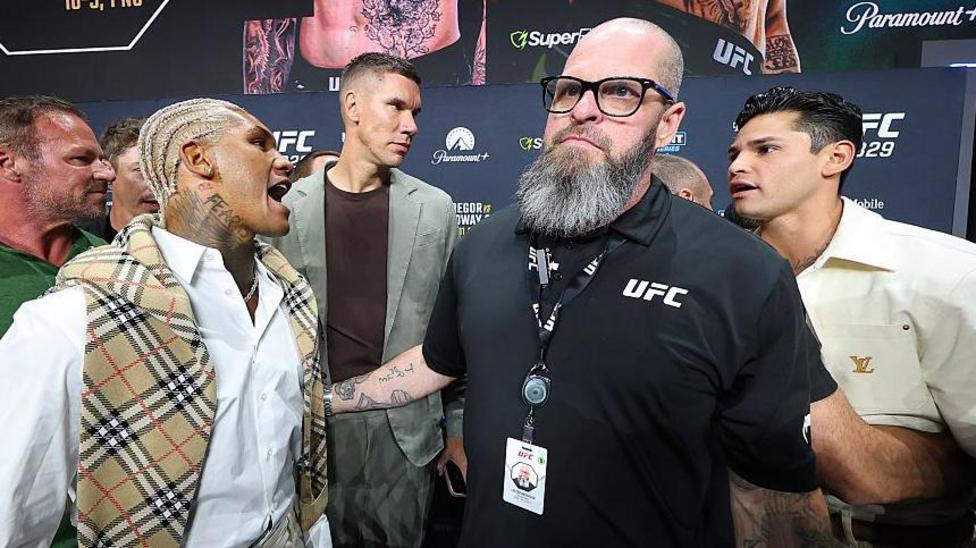
Benn vs Garcia: Las Vegas Stages Welterweight Chess Match
Conor Benn challenges WBC welterweight king Ryan Garcia at T-Mobile Arena on September 12 in a high-stakes stylistic collision.
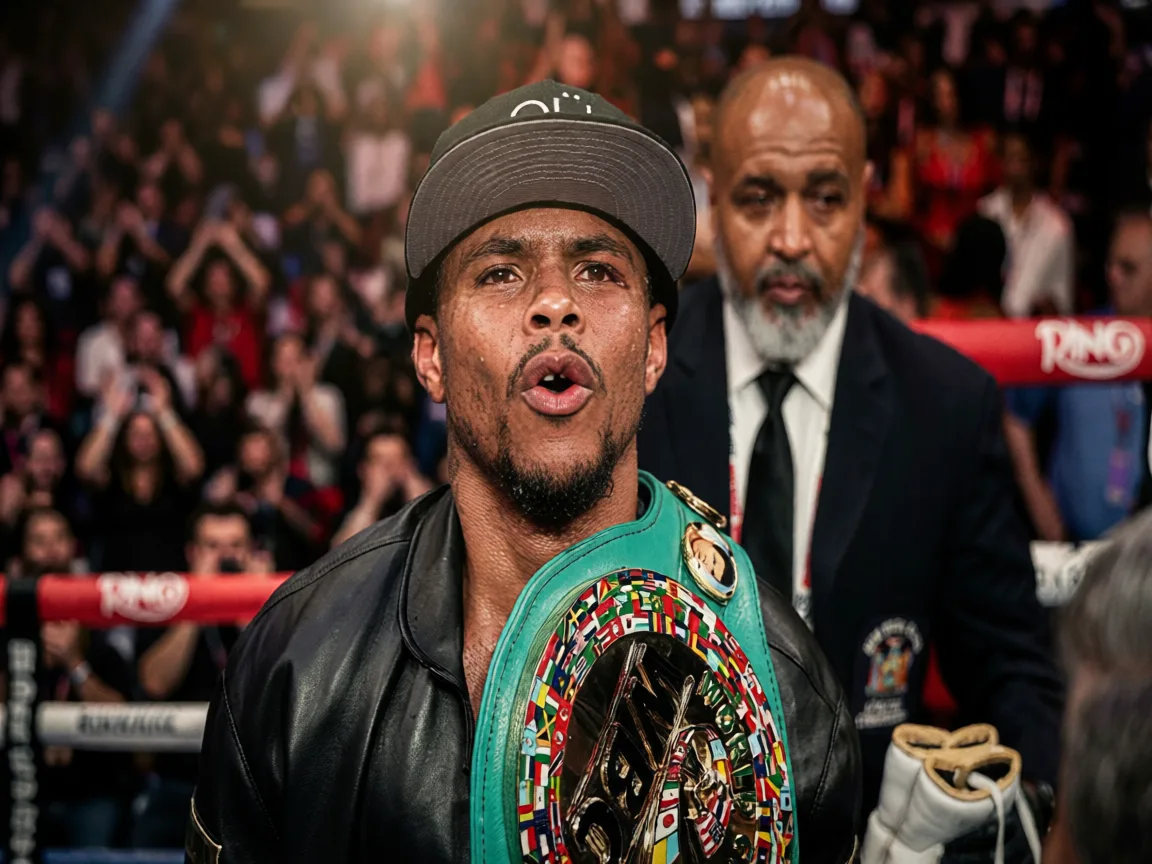
Shakur Stevenson Joins Zuffa Boxing in Dana White Power Move
Four-division king Shakur Stevenson signs with Dana White's Zuffa Boxing, shifting the combat sports landscape in one stroke.

London's World Record Pursuit: Hodgkinson and Kerr Chase History
Britain's brightest track stars target immortality at London's Diamond League meeting this Saturday.