Clichy Breaks Silence: The Real Story Behind France 2010
Gaël Clichy lifts the lid on France's 2010 World Cup mutiny, revealing a player strike born of dignity rather than dysfunction.
A Mutiny Born of Dignity, Not Dysfunction
Every football fan remembers the image: a team bus stationary in a South African parking lot, curtains drawn, the global media swarming outside like angry wasps. The 2010 France World Cup squad is universally cited as the ultimate cautionary tale of player power run amok and ego destroying a national team from within. But Gaël Clichy's revisit of the Knysna rebellion demands we bin the lazy narrative. What happened in South Africa was not an arrogant mutiny. It was a desperate, clumsy stand for basic professional dignity.
For over a decade, the 2010 France squad has been treated as a historical punchline, a group of pampered millionaires who threw their toys out of the pram. Clichy's perspective shatters that simplistic frame. The strike wasn't orchestrated by prima donnas; it was the inevitable rupture when a deeply flawed management structure finally snapped the thin thread of player loyalty.
The Catalyst: Anceau Thrown Under the Bus
The domino that toppled the entire French campaign wasn't a misplaced tactical instruction or a dressing-room ego clash. It was the sheer indignity of how the French Football Federation handled the Nicolas Anelka expulsion. During the dire 2-0 defeat to Mexico, Raymond Domenech publicly aired Anelka's halftime vulgarity to the press. By the time the squad returned to their training base, Anelka was already gone, expelled by the FFF without any consultation with the players.
This is the crucial detail the history books often gloss over. The players were not defending Anelka's right to insult his manager. They were reacting to a gross violation of the professional code. In football, the sanctity of the dressing room is non-negotiable. What is said in those four walls stays there. Domenech breached that code by weaponizing the press, and the FFF ratified that breach by acting unilaterally.
"When you air our private conversations to the world and throw a teammate out without even speaking to us, you strip away our dignity as professionals."
Clichy's retelling underscores a fundamental breakdown in trust. The players felt that if Anelka's dirty laundry could be hung out for public consumption, no one in that squad was safe from executive scapegoating. The subsequent refusal to train wasn't a tantrum over Anelka's innocence. It was a labor dispute over due process.
The Bottom Line
Domenech and the FFF didn't just lose a striker; they lost the moral authority to lead. You cannot demand sacrifice from players you simultaneously sell out to the media.
The Tactical Void Behind the Psychological Collapse
While the psychological fracture was absolute, the sporting failure was equally systemic. France didn't implode in Knysna solely because of off-pitch drama. They imploded because the tactical architecture was fundamentally unsound, creating a pressure cooker environment that required only a spark.
Domenech's tenure was characterized by a bizarre alchemy of mysticism and inertia. He named a squad that lacked natural balance, then failed to impose a coherent system. Consider the cold data from that group stage failure:
- 1 point from 3 matches
- 1 goal scored across 270 minutes of play
- 0 wins in South Africa
- A passing accuracy that frequently dipped below 75% in crucial zones
They were sterile in attack and fragile in transition. Patrice Evra, the captain, was left to manage a locker room of fractured factions, while Yoann Gourcuff, the supposed creative fulcrum, was systematically isolated by both the tactical setup and the clashing personalities within the squad. This wasn't a squad that underperformed its talent. This was a squad whose talent was never given a framework to succeed.
Verdict
Knysna was the symptom. The disease was Domenech's chronic inability to construct a functional tactical identity, leaving the players to fester in their own frustration until it metastasized into open revolt.
Parallels to the Modern Mbappe Era
Clichy drawing a line from 2010 to the current Kylian Mbappé era is where this reflection moves from history lesson to urgent contemporary analysis. On the surface, the two situations look entirely distinct. Mbappé is the ultimate modern professional, heavily guarded by a sprawling off-field infrastructure. There are no leaked halftime slanging matches, no public refusals to train.
Yet the underlying tension is identical: a misalignment between the federation's governance and the squad's sense of agency. The FFF's clumsy handling of Mbappé's image rights, the perceived Presidential interference in squad selection, and the eventual departure of Noel Le Graet all point to an organization that still struggles to treat its players as equal partners rather than subordinate assets.
Mbappé's EXIT from the national team conversation is handled with corporate precision, a slick PR separation compared to the brutal, messy divorce of 2010. The structure of the fallout is different, sanitized by modern media training. But the core grievance remains: players demanding that the federation respect the weight of their commitment and professional status.
Clichy recognizes that the players of 2010 lacked the sophisticated leverage Mbappé now wields. The 2010 squad had to resort to the blunt instrument of a strike because they had no other mechanism to force accountability. Mbappé operates in a different era. He IS the mechanism, his market power forcing the federation to the negotiating table before any public crisis can erupt.
The Bottom Line
The Mbappé situation proves the 2010 rebels were right about the federation's dysfunction. They just lacked the individual economic power to enforce change without burning the house down.
The Jordan Henderson Contrast: When Leadership Fails
Perhaps the most striking thread in Clichy's retrospective is the implied critique of modern captaincy. Set the 2010 chaos against the archetypes of leadership in the Premier League era, specifically someone like Jordan Henderson. Henderson, for all his technical limitations, was the ultimate organizational man. He internalized pain, enforced the manager's messaging, and prioritized the institutional structure above his own comfort.
Evra in 2010 was caught in the impossible gap. He was a Ferguson product suddenly asked to serve a manager who had forfeited the right to be served. The French captain was expected to enforce a hierarchy that the hierarchy itself had already betrayed. Henderson never had to bridge that chasm because Liverpool's structural integrity under Klopp remained functional. Evra had to enforce the rules of a regime that had just broken its own laws.
This is where the sympathy for the 2010 squad must be re-evaluated. They were not leaderless. They were leaders abandoned by the very system they were supposed to uphold. When Domenech read that infamous post-strike statement on live television, looking like a man held hostage, the final illusion of his authority evaporated. The players were blamed for the coup, but the general had already fled the battlefield.
Verdict
A captain can only enforce discipline when the governing body retains its legitimacy. The FFF's actions in 2010 nullified Evra's captaincy, leaving the squad to govern itself through the only language left: defiance.
The Lasting Legacy of Knysna
Fourteen years later, Clichy's insistence on reframing the narrative is not just an exercise in personal rehabilitation. It is a necessary correction to a sporting myth that has been allowed to harden into absolute fact. The 2010 French squad was not a gang of villains. They were a flawed group of professionals pushed into an inescapable corner by spectacular institutional incompetence.
The irony is that their crude rebellion laid the groundwork for the modern French system. The humiliation of Knysna forced the FFF to modernize. It eventually led to the investiture of Laurent Blanc and the structural pivot that culminated in Didier Deschamps' era of ruthless, cohesive success. The 2018 World Cup triumph and the 2022 final appearance were built on the ashes of that South African encounter.
Clichy's truth is ultimately a reminder that player power is not inherently toxic. It is merely a reaction to power that refuses to be earned. When institutions fail their labor, the labor will eventually stop working. In 2010, France's finest simply refused to polish the brass on a sinking ship. History should judge them not as traitors, but as workers who finally realized their bosses were unfit to lead.
Editorial Integrity
This is an original SportPulse article written by our editorial team. All content is independently researched, written, and reviewed by our writers and editors before publication. We do not publish copied, aggregated, or syndicated content.
SportPulse is committed to original sports journalism. Read our editorial policy or contact us with any questions.
More Like This
All football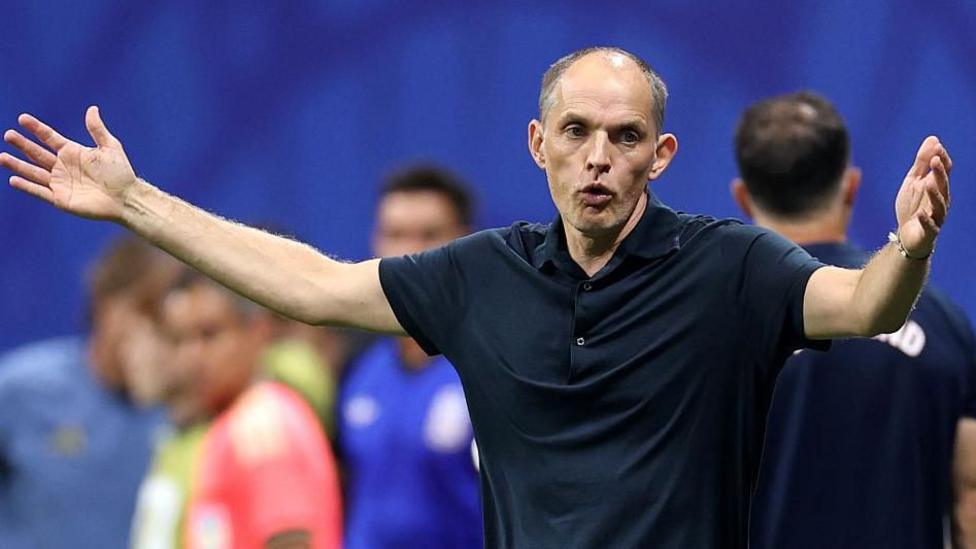
Tuchel Survives: FA Backing Defies World Cup Failure
The FA retains Thomas Tuchel despite England's World Cup final miss, betting on his tactical evolution over reactionary change.
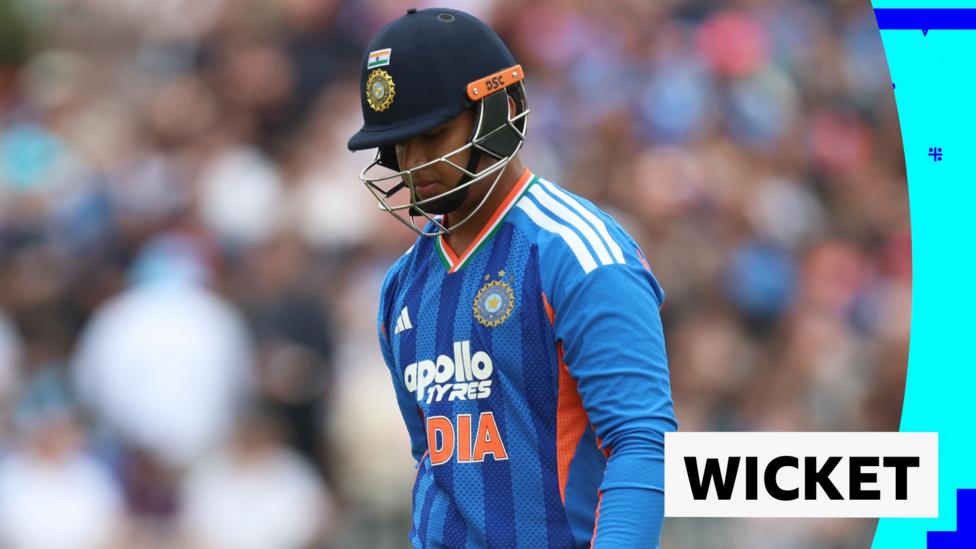
Sooryavanshi's Debut Ends in Will Jacks Trap at Old Trafford
India's 15-year-old debutant fell to a classic spin-vs-youth trap as England's Will Jacks exploited teenage aggression.
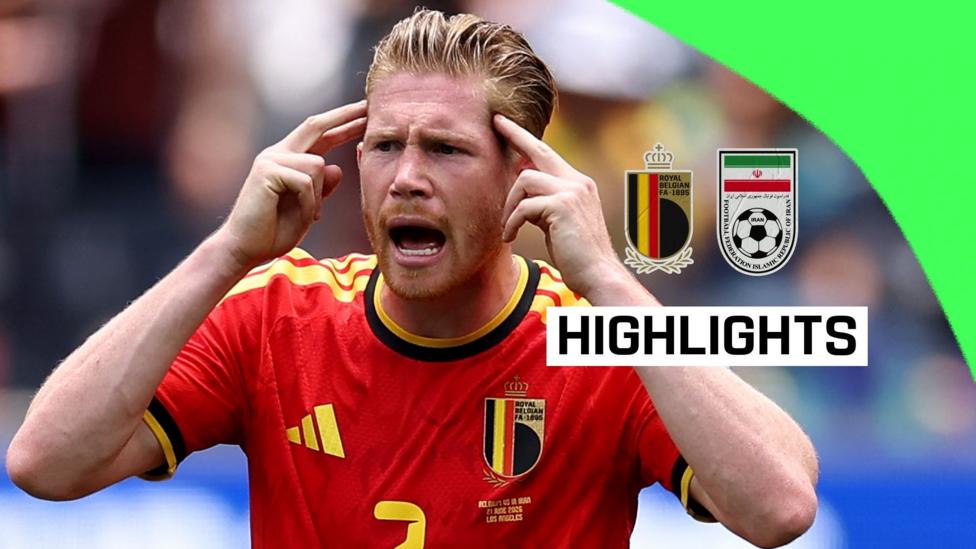
Beiranvand's Wall Leaves Ten-Man Belgium Winless
Alireza Beiranvand's heroics condemned ten-man Belgium to a frustrating stalemate, keeping Iran's historic knockout dream alive.