Garfield Sobers: Cricket's Ultimate All-Rounder Dies at 89
The man who could bat, bowl, field and captain at the highest level redefined what complete sporting excellence looked like.
There is a particular type of silence that settles over a sporting world when a true original departs. It is not merely mourning. It is the collective recognition that a certain standard of excellence has left the building, possibly forever.
Sir Garfield Sobers has died at the age of 89, taking with him a legacy that cricket will spend the rest of its existence trying to adequately summarize.
He was not just a great player. He was theWalking embodiment of what sport can look like when talent meets precocious opportunity and refuses to acknowledge limits.
When the century turned and the Wisden Cricketers' Almanack selected its five leading cricketers of the 20th century, Sobers was on the list. That sentence sounds simple. It is not. It is the conclusion arrived at by a sport that has produced tens of thousands of international cricketers across more than a hundred years. He was among the five best humans to ever perform the craft. And most who watched him would argue the word "among" is doing unnecessary work.
For a figure so towering, the details of his career almost sound like fiction.
He was a left-handed batsman of breathtaking fluency. He was a bowler who could operate in three distinct styles: fast, medium-pace, and spin. He was a fielder positioned anywhere from slip to the deep outfield with equal menace. He was a captain, tactically sharp and personally magnetic. The phrase "allrounder" gets attached to players who excel in two disciplines. Sobers excelled in four.
And that is before you account for the sheer joy of watching him operate.
His batting was not mechanical. It was architectural, constructed with a timing and placement that made technique look less like a learned skill and more like a natural extension of his nervous system.
His bowling was not defined by one method. Because he had several, the batter could never truly settle. A pacy over here. A flighted spinner there. The gift of adaptability wielded as a weapon.
His fielding was not a supplementary skill. It was a statement of intent, an assertion that athleticism and cricketing intelligence could blend on a field of play without losing a competitive edge.
Beyond Statistics
Cricket is a sport obsessed with numbers. Averages, centuries, wickets, economy rates, catches. The game has more statistical infrastructure than almost any other team sport on earth.
And yet, for Sobers, the numbers almost distract from the point.
Not because they are unimpressive. They are staggering. But because they cannot capture the particular quality of watching a genius at work, the sense that a player is operating on a different plane of spatial and tactical awareness while everyone else is simply playing a game.
"He was the ultimate allround sportsman. He could do it all."
That short sentence, spoken by those who saw him, carries more weight than any statistical breakdown. Cricket, a sport that classifies its practitioners with rigid nouns, needed an umbrella term for Sobers. "Allrounder" was technically accurate. It was also woefully insufficient.
The Mythic Status
Some athletes become legends through sustained excellence. Others through a single moment of transcendent brilliance. Sobers achieved both, and that dual track ispart of what made his legacy so unassailable.
He did not merely accumulate runs and wickets over a long career. He redefined what a complete cricketer could look like, expanding the positional and disciplinary boundaries of the sport in real time. Before Sobers, allrounders were often players who could bat a bit and bowl a bit. After Sobers, the ambition was to be able to do everything, at pace, in all conditions, with tactical smarts and physical grace.
He set a standard that has haunted every allrounder since. Not because they are compared to him, strictly speaking. But because his shadow defines the silhouette every complete cricketer is measured against.
A Career in Context
To understand Sobers, you have to understand the era he played in and the team he played for.
West Indies cricket of the mid-20th century was not the globally dominant force it would later become. The structural advantages, the depth of talent, the institutional confidence, those came later. Sobers was a foundational figure in that rise, a player who demonstrated that cricketers from the Caribbean could not merely compete with the best in the world but could redefine the parameters of the sport itself.
He carried more than statistical weight. He carried the aspirations of a region at a time when cricket was a vessel for cultural and political identity. Every run he scored was a statement. Every wicket he took was an assertion of capability. He played during a period when sports and decolonization were deeply intertwined, and his excellence on the field served as a very visible counter-argument to assumptions about who could perform at the highest level.
That is not a burden every athlete carries. Sobers did, and he carried it with a game that was so brilliant it made the political and cultural dimensions feel secondary. He was so good that, for hours at a time, you could forget everything else and simply marvel.
The Legacy That Lasts
There is a temptation, when a sporting figure of this magnitude passes, to reach for grand statements about the end of an era. It is a natural impulse, and it is not entirely wrong.
Sobers represented a particular kind of cricketing ideal, one that has become increasingly difficult to sustain in the modern game. The player who can genuinely excel across every discipline. The cricketer whose value cannot be captured by a single statistic. The performer who plays the game, adapts to the game, shapes the game, and transcends it simultaneously.
A career like Sobers's does not simply end when the man departs. It becomes the benchmark.
The conversation about the greatest allrounder in cricket history has never been a particularly contentious one. It has always been, in essence, a conversation about whether anyone else deserves to be mentioned in the same breath. A few names get raised. None with the same conviction. None with the same quiet consensus.
That consensus is the truest measure of the man. Not just the Wisden selection, though that matters. Not just the statistics, though they are monumental. But the quiet agreement among those who watched him, and those who studied the record, that a certain kind of perfection walked and batted and bowled on a cricket field for a few decades, and we were lucky to witness it.
A Final Over
Sir Garfield Sobers was 89 years old. He leaves behind a sport that he helped shape and a standard of excellence that remains, decades after his retirement, the definitive measure of what a complete cricketer can be.
The numbers will be recited in the coming days. The records and the rankings and the tributes from figures across the sporting and political world. All of it matters. None of it captures the whole picture.
Because Sobers was not, in the end, a collection of numbers. He was a cricketer, in the fullest, most complete sense the word has ever known. And for those who watched him play, that is the only sentence that needed writing.
The game does not produce them like this often. It may never produce another one at all.
Editorial Integrity
This is an original SportPulse article written by our editorial team. All content is independently researched, written, and reviewed by our writers and editors before publication. We do not publish copied, aggregated, or syndicated content.
SportPulse is committed to original sports journalism. Read our editorial policy or contact us with any questions.
More Like This
All long-reads
Onley Ruled Out of Tour de France with Shoulder Injury
Oscar Onley's Tour de France dream shattered by a shoulder injury, leaving Netcompany-Ineos scrambling for leadership three weeks before the Grand Depart.
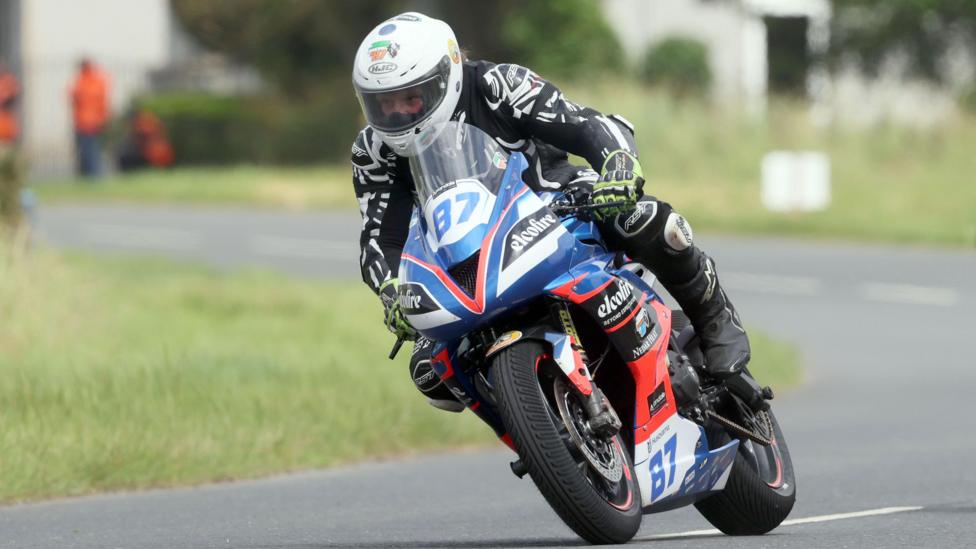
Tandragee 100 Claims James Walsh: Road Racing Reckons With Itself Again
Another Saturday of petrol andion courage ends in grief as Irish rider James Walsh loses his life at the Tandragee 100.
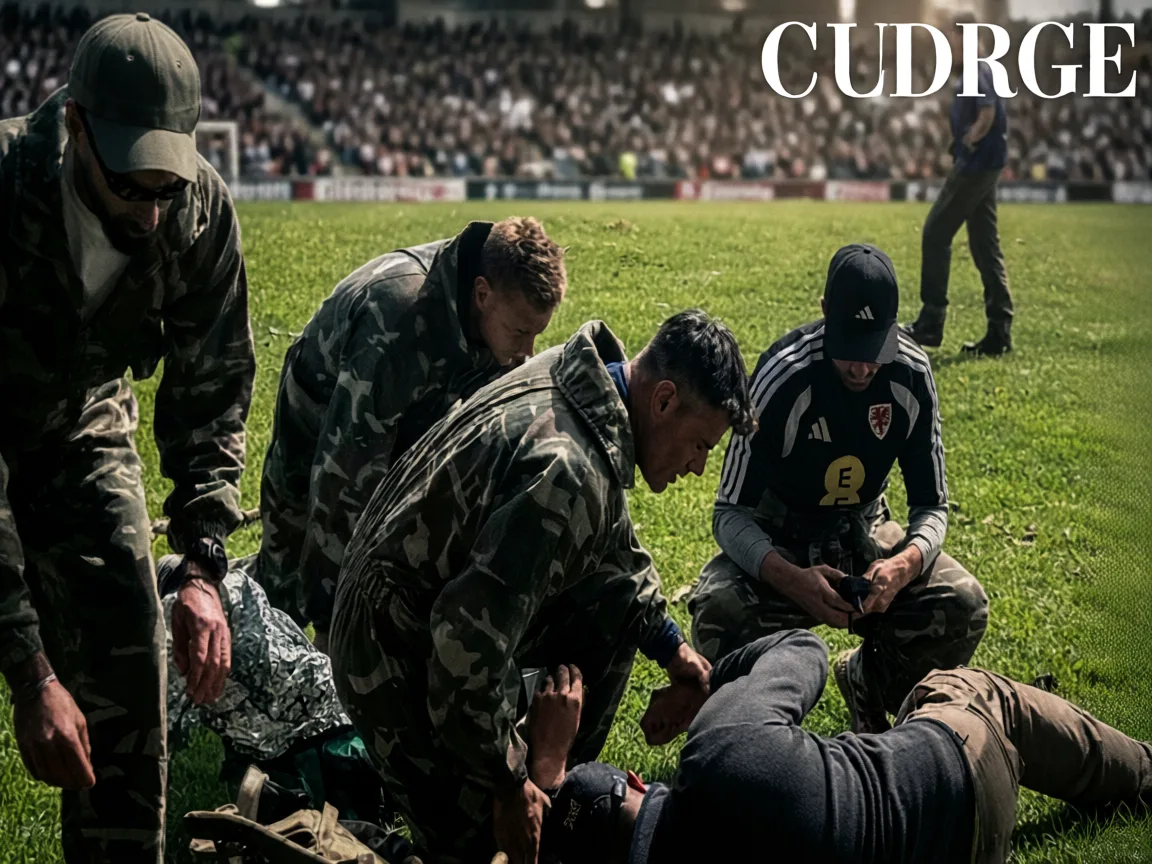
Inside Wales' Brutal Military Module For Europe's Elite Coaches
The FAW's Uefa Pro Licence course sends coaches through army survival training, redefining tactical education through psychological extremes.