George Condemns Auvaa: Saracens Discipline Tested By Nightclub Incident
Jamie George's public rebuke of Totoa Auvaa exposes a cultural fracture at Saracens after a nightclub clash with England's cricketers.
The modern rugby club operates as a closed tactical ecosystem, where collective discipline is the foundational prerequisite for any structured pressing or coordinated defensive shape. When that internal culture fractures, the consequences extend far beyond a single evening of misjudgment. Jamie George's public and unequivocal criticism of Saracens teammate Totoa Auvaa following a nightclub incident involving England cricket captain Ben Stokes and bowler Gus Atkinson reveals a significant test of the hierarchical integrity at the StoneX Stadium. George, a veteran anchor of the Saracens leadership group, dubbed the Samoan international's behavior "unacceptable", a term that carries immense tactical and psychological weight within a squad environment.
The Erosion of the Collective Ethos
Saracens have long built their identity on a rigid, almost continental system of strict organizational principles. Under the broader philosophical umbrella of director of rugby Mark McCall, the club has eschewed individualistic flair for a highly synchronized, defensively suffocating model. Their historical success in the Premiership relied on an unbreakable midfield connectivity and a relentless, structured kicking chase that demanded total physical and mental commitment. Every player must function as a cog in a highly calibrated machine. When an individual operates outside those defined parameters, the system collapses, creating spatial and psychological vulnerabilities that opponents will ruthlessly exploit.
The incident involving Auvaa and the two England cricketers represents exactly the kind of destabilizing variable that disrupts squad equilibrium. While the specific tactical adjustments on the pitch cannot account for off-field impropriety, the fallout directly alters the psychological readiness of the roster. For George to step forward and publicly sanction a teammate signals that the defensive shape of the squad's culture has been breached. It is a controlled but definitive attempt to re-establish the boundaries of the collective.
The Weight of the Captain's Words
By choosing to speak out rather than closing ranks in blind loyalty, George is executing a high-stakes leadership maneuver. The public rebuke constructs a perimeter around the rest of the squad, isolating the indiscretion and preventing it from infecting the broader group mentality. In elite sporting environments, where marginal gains dictate title races, a fractured locker room is a far greater threat than an injury crisis. George understands that tolerance of such behavior risks eroding the trust essential for executing high-pressure tactical systems.
"When you step outside the boundaries of what is acceptable, you damage the collective. That cannot be tolerated at a club of this standing."
This type of cultural policing is deeply intertwined with on-pitch performance. When a forward pack prepares for a set-piece, the trust that the man beside you is entirely committed to the shared objective is non-negotiable. Auvaa's off-field deviation inevitably prompts questions about his on-field reliability, forcing the coaching staff to reassess his role within the established framework.
Tactical Shift
The immediate tactical ramification of this cultural fracture centers on Auvaa's integration into the matchday squad and his positional utility. Auvaa has been utilized to provide explosive carrying from the inside center channel, deploying a direct carry schema designed to generate quick front-foot ball and fragment the opposition's ruck defense. However, a player operating under internal disciplinary scrutiny rarely performs with the requisite emotional control required in tight, systematic game states.
Mark McCall now faces a profound selection dilemma that forces a tactical shift. Retaining a player who has been publicly condemned by a senior figure risks fracturing the locker room's cohesion, a toxicity that spreads rapidly through a matchday squad. Conversely, omitting Auvaa strips the backline of a specific profile of heavy, gainline-breaking physicality. This forces a recalibration of the entire attacking syntax. Without Auvaa's brute force in the 13 channel, Saracens may be compelled to shift toward a more territory-based, multi-phase possession structure. This requires greater accuracy at the breakdown and a heavier reliance on the kicking game to exit pressure zones, placing an increased burden on the organizational demands of the halfbacks.
Restructuring the Midfield Geometry
Removing a power carrier from the midfield necessitates a fundamental restructuring of the backline geometry. Should McCall elect to drop Auvaa, we can anticipate a shift toward a more distributed carrying model. Rather than relying on a singular focal point to dent the defensive line, the burden of gainline progression will spread across the forward pod and the fullback stepping into the line.
- Carrying burden displacement: Forwards must assume a higher percentage of phase-one carries, demanding enhanced conditioning at the breakdown.
- Width utilization: Without a dominant crash-ball option, Saracens may deploy a wider spacing pattern to isolate defenders in one-on-one situations on the flanks.
- Halfback orchestration: The fly-half must adopt a flatter standing depth to threaten the gainline directly, compensating for the lost inert mass in the midfield.
This systemic adjustment demands significant rehearsal time, a luxury rarely afforded during the congested latter stages of a Premiership campaign.
The Cross-Code Collision and Reputational Fallout
The peculiar nature of the incident, involving icons from a different sporting discipline entirely, amplifies the tactical and organizational disruption. Ben Stokes and Gus Atkinson represent the pinnacle of England's cricketing hierarchy. An altercation involving high-profile figures from the ECB's central contracts system transforms a standard internal disciplinary matter into a cross-code media spectacle. The spotlight intensifies the pressure on the Saracens hierarchy to demonstrate firm, uncompromising action.
The overlap between the two dressing rooms at a social venue highlights the unique pressures of the modern professional athlete operating in the London sporting ecosystem. The collision of two deeply entrenched sporting cultures inevitably produces friction, but it is the rugby player's obligation to the collective that has drawn the sternest critique. George's intervention suggests a firm belief that the club's reputation, carefully rebuilt following the salary cap sanctions of recent years, cannot be jeopardized by individual indiscipline.
What Comes Next
Moving forward, McCall must meticulously manage Auvaa's reintegration or orchestrate his temporary isolation from the starting XV. A prolonged period on the bench would necessitate a permanent adoption of the redistributed attacking framework, fundamentally altering Saracens' tactical identity for the foreseeable future. The club's upcoming fixtures will serve as a vital diagnostic tool for assessing how effectively the squad has absorbed this off-field shock and translated it into focused on-pitch execution.
The next phase of the campaign demands absolute tactical clarity and unbreakable defensive cohesion. The opposition will actively target any perceived psychological fragility in the Saracens midfield, testing the communication channels and defensive connectivity with aggressive, varied running lines. How George and the leadership group recalibrate the squad's mindset following this public condemnation will ultimately determine whether this incident serves as a galvanizing catalyst or a season-defining disruption.
All eyes will be on the team sheet for their next outing. The selection of the inside center channel will speak volumes about McCall's tactical priorities and his commitment to the cultural framework that once made Saracens the most formidable systematic operation in European rugby.
Editorial Integrity
This is an original SportPulse article written by our editorial team. All content is independently researched, written, and reviewed by our writers and editors before publication. We do not publish copied, aggregated, or syndicated content.
SportPulse is committed to original sports journalism. Read our editorial policy or contact us with any questions.
More Like This
All football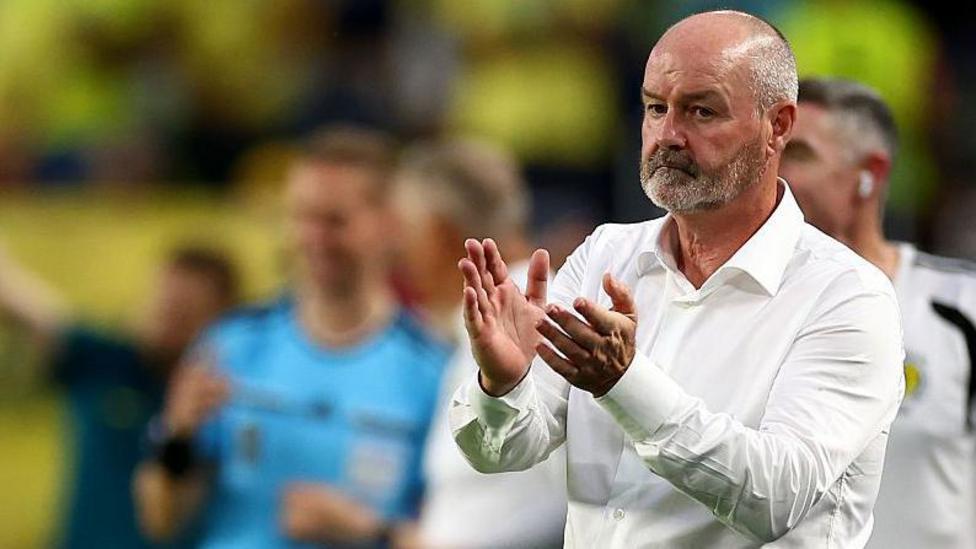
Clarke Walks Away: Scotland Boss Calls Departure 'Easy' After World Cup Heartbreak
Steve Clarke departs as Scotland manager after pre-planned exit following another group-stage failure on the world's biggest stage.
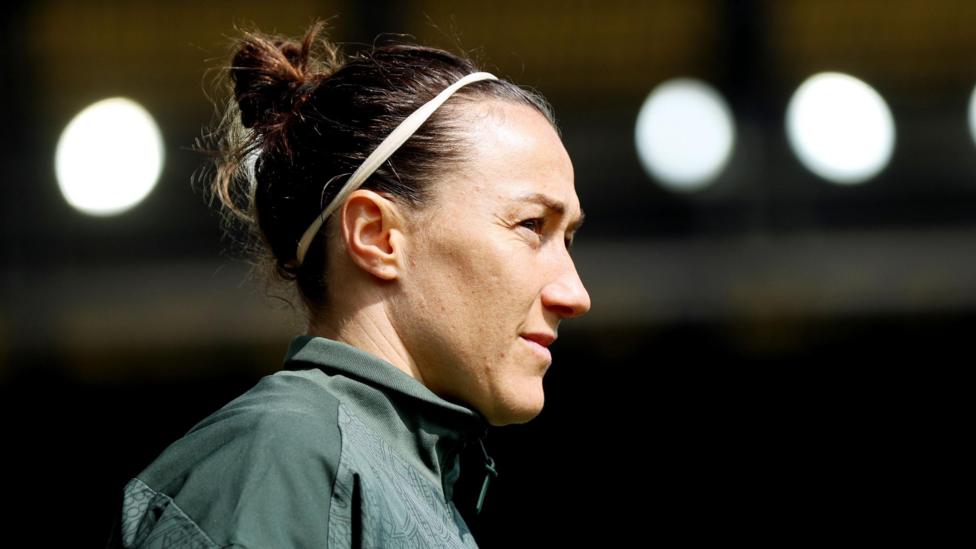
Lucy Bronze Commits Future to Chelsea with Contract Extension Through 2027
England's most decorated defender signs new deal, signaling Chelsea's intent to dominate domestic and European football.

Neuer's Final Act Ends in Shootout Heartbreak and a Dressing Room He Fractured
Manuel Neuer's unretirement backfired at the 2026 World Cup, with Robert Huth questioning whether the goalkeeper's return unsettled Germany's squad.