Girmay's Green Jersey Dream Backed by World Cup Winner
Biniam Girmay chases Tour de France points glory again, now armed with backing from a World Cup-winning investor.
Biniam Girmay sits in a hotel room somewhere in the highlands of Eritrea, staring at a jersey hanging on the wall.
It is green. It is coveted. And two years ago, it belonged to him.
Now, after a turbulent stretch that tested his body, his team, and his belief, Girmay is ready to chase it again. But this time, he carries something different on his shoulders. Not just the hopes of a nation, but the financial muscle and strategic weight of a backer who knows exactly what it takes to lift the most prestigious trophy in sport.
A World Cup winner is now in his corner.
And the green jersey is back in his sights.
A Historic Footprint
Two years ago, Girmay did not merely participate in the Tour de France. He rewrote the narrative of what an African cyclist could achieve on the sport's grandest stage.
He became the first Black African rider to win a Tour de France stage. That alone secured his place in history. But Girmay was not done. He battled through three weeks of bruising sprints, alpine dust, and tactical warfare to claim the green jersey, awarded to the rider who accumulates the most points across flat stages, intermediate sprints, and selective mountain finishes.
It was an achievement that transcended sport.
"When I crossed that line, I wasn't just winning for myself. I was winning for every kid in Asmara who ever looked at a bicycle and saw a way out."
The streets of Eritrea's capital erupted. Videos flooded social media. A nation pinned its pride to a 23-year-old who had grown up racing on borrowed equipment and raw instinct.
Then came the aftermath.
The Crash and the Silence
Maintaining a place at the summit of professional cycling is arguably harder than reaching it in the first place. Girmay discovered that truth the hard way.
The season following his green jersey triumph was blunted by crashes, injuries, and a team structure that struggled to adapt around his rise. The lead-out train that had delivered him to glory started to splinter. Rivals adjusted. Sprint lanes that once opened like the Red Sea now slammed shut.
His results dipped. Not catastrophically, but enough to shift the conversation.
Whispers began. Was the stage win a fluke? Was the green jersey a one-year outlier? Could Girmay truly sustain a career at the pinnacle of the World Tour, or would he become another name from a nation that flickered brightly before fading into the anonymity of the peloton?
"Cycling is a sport that forgives nothing. One bad season and people forget what you did the year before. But I don't forget. I use it."
Girmay went quiet. He trained. He recovered. And behind the scenes, something shifted that would alter the trajectory of his career.
Enter the World Cup Winner
The details remain closely guarded, shrouded in the kind of confidentiality that inevitably breeds speculation and intrigue. What we do know is that a figure with a World Cup winner's medal, a competitor who has stood at the absolute peak of global football, has aligned himself with Girmay's ambitions.
This is not a casual endorsement.
This is deep financial backing combined with strategic ecosystem-building. An infusion of credibility, resources, and high-performance know-how from someone who understands what it means to carry the weight of a nation, perform under excruciating scrutiny, and deliver when the lights are brightest.
"Having someone who has won at the highest level believe in you changes everything. It is not about the money. It is about the standard. They demand excellence because they have lived it."
The parallel is striking. A footballer who conquered the world. A cyclist who conquered a stage. Both understanding that talent is merely the entry fee to greatness, and sustained success requires an infrastructure that too many athletes from underrepresented nations are simply denied.
What the Backing Actually Means
- Access to top-tier coaching and sports science personnel previously out of financial reach
- Enhanced aerodynamic testing and equipment optimization protocols
- A strengthened lead-out train specifically constructed to protect Girmay's positioning
- Marketing and commercial leverage to attract secondary sponsors
- Psychological and performance mentorship from a proven champion
This is not charity. This is an investment in a proven commodity.
Girmay is not a prospect. He is a rider with a Tour de France stage win, a green jersey, and the physical capacity to repeat those feats. What he lacked was the surrounding apparatus to make it sustainable across a grueling 21-day Grand Tour.
Now he has it.
The Green Jersey Battlefield
Winning the points classification at the Tour de France is a multi-dimensional chess match played at 45 kilometers per hour.
It is not simply about being the fastest man in the peloton. It is about consistency, positioning, survival, and a willingness to fight for every intermediate sprint point across three weeks of racing. It requires a rider who can climb well enough to avoid the time cut, sprint well enough to dominate flat finishes, and recover quickly enough to do it all again the next day.
Girmay has proven he possesses all of these qualities. The question is whether the new structure around him can execute the plan.
The landscape has shifted significantly. The field is deeper, the competition more refined.
The Rivals Standing in His Way
- Jasper Philipsen: The Belgian powerhouse who has made the green jersey his personal property in recent seasons, racking up stage wins with mechanical precision and the best lead-out in the business.
- Tim Groenewegen: A raw sprinter who can overhaul anyone when the run-in is pure, flat, and brutally fast.
- Danny van der Poppel: The Dutch veteran whose tactical intelligence in bunch sprints makes him a points-hoarding machine over three weeks.
- Olav Kooij: The young Dutch talent whose stock is rising, adding another layer of threat to every flat stage.
Girmay does not need to beat all of them on every stage. But he does need to consistently out-point them across the entirety of the Tour. That demands a team riding with a unified focus: delivering their leader to the right position at the right time, day after punishing day.
The Tactical Blueprint
Girmay's path back to green is not complicated, but execution is everything.
Target the intermediate sprints. Every single point matters. The Tour de France points classification has been won and lost by margins smaller than a single intermediate sprint bonus. Girmay's team must be willing to chase those points even on stages where the stage win is out of reach.
Win on select flat stages. Girmay needs at least two stage victories to generate the points foundation that puts genuine pressure on Philipsen. One win keeps him in the conversation. Two wins make him the favorite.
Survive the mountains. Girmay is not a climber, and he does not need to be. But he must finish within the time cut on every mountain stage without losing injurious time or burning matches he cannot afford to spend. The green jersey battle is won in the Alps and Pyrenees as much as on the Champs-Élysées, simply by staying in the race.
Avoid the crashes. Girmay's previous season was compromised by ill-timed incidents. Luck plays a role here, but positioning and awareness reduce the odds of disaster. A fresh team structure with experienced road captains can help shepherd him through the dangerous first week.
"The legs are there. The engine is there. But the Tour is 21 days of chaos. You need a team that keeps you out of the wind, out of the crashes, and in the fight."
More Than a Jersey
For Eritrea, this is deeply personal.
Girmay is not merely a cyclist. He is a symbol. A proof of concept that talent from the Horn of Africa can conquer a European-dominated sport. Every pedal stroke he takes in a Tour de France is a statement against the structural barriers that have kept African cycling on the periphery for decades.
The backing of a World Cup winner amplifies that statement. Bridging the continent's passion for football with its emerging potential in endurance sport.
"When I race, I see their faces. I hear the horns in Asmara. That is my fuel. That is what gets me through the mountains when my legs are screaming."
A green jersey in Paris would not just be a personal triumph. It would be a resounding declaration that Girmay's first coronation and his subsequent struggles were part of a journey, not a fleeting peak.
What Lies Ahead
The Tour de France begins in late June, but for Girmay, it has already started.
Every training ride, every watt measured in the highlands, every tactical conversation with his newly empowered team staff. All of it is a building block toward one goal: standing on the podium in Paris, wearing green, and proving that history can indeed be recreated.
The World Cup winner backing him knows something about recreating history. About reaching the summit, stumbling, and climbing back.
Now he has placed his faith and resources in a cyclist from Eritrea who is attempting to do precisely the same thing.
The peloton should take notice. The green jersey is coming for its rightful owner.
And this time, he is not chasing it alone.
Editorial Integrity
This is an original SportPulse article written by our editorial team. All content is independently researched, written, and reviewed by our writers and editors before publication. We do not publish copied, aggregated, or syndicated content.
SportPulse is committed to original sports journalism. Read our editorial policy or contact us with any questions.
More Like This
All long-reads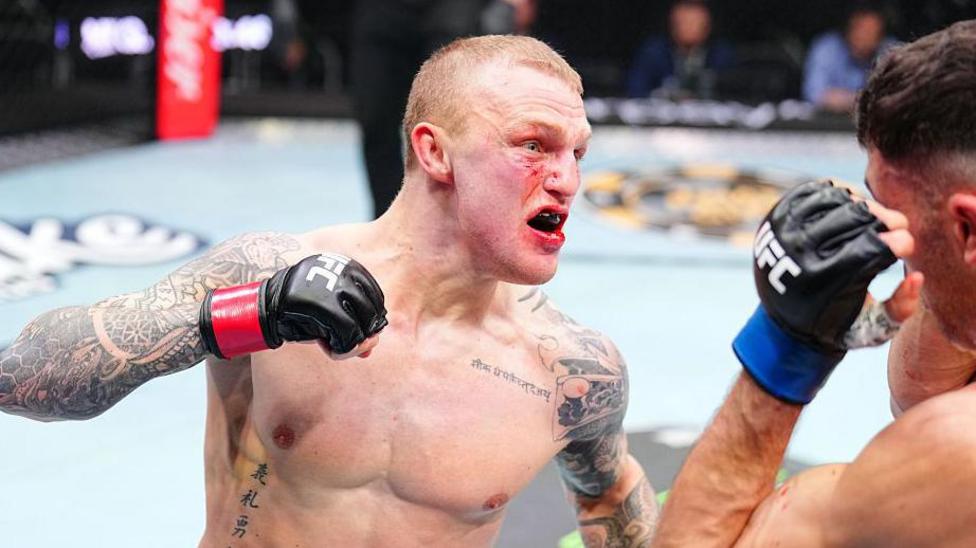
Mason Jones Draws MarQuel Mederos at UFC Sacramento — A Career-Defining Crossroads
Welsh lightweight Mason Jones faces MarQuel Mederos in Sacramento with his UFC trajectory hanging in the balance.
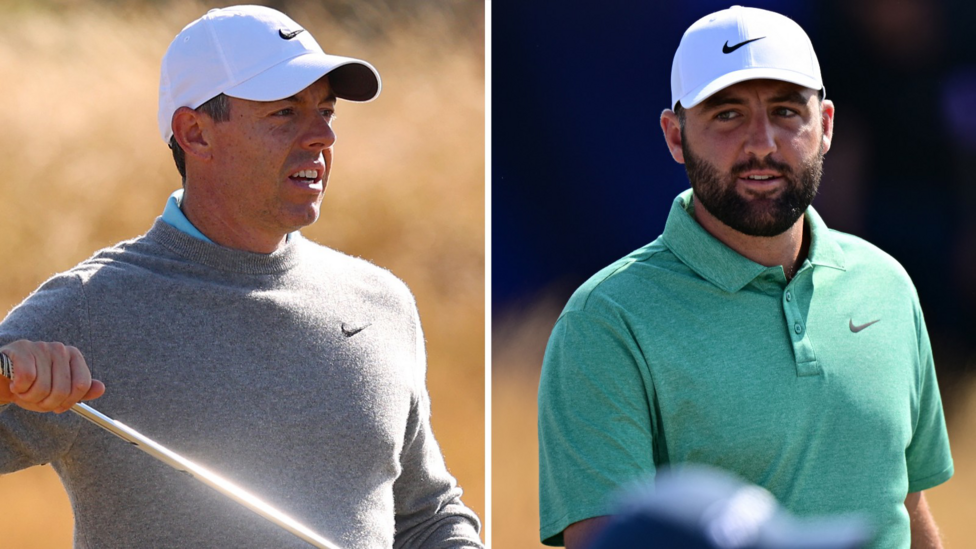
Birkdale Bakes: Scheffler and McIlroy Brace for Open Chaos
Sun-baked Royal Birkdale promises brutal, unpredictable conditions as the world's best prepare for a links golf survival test.
Royal Birkdale's Hidden Theater: What the Open Tee Times Really Tell Us
Tee times at the 154th Open reveal the R&A's strategic chess moves shaping destiny at Royal Birkdale.