Glasgow 2026 Joy Masks Commonwealth Games' Deeper Existential Crisis
Glasgow delivered a successful Games, but the event's shrinking footprint and missing hosts signal an uncertain, possibly terminal, future.
Glasgow closed its second Commonwealth Games with full venues and a balanced budget. Those two facts conceal a problem the event cannot keep dodging.
Glasgow's Return-Host Template
Scotland stepped in after Victoria, Australia withdrew in 2023 over ballooning costs. Glasgow repurposed venues from its 2014 edition to stage the 2026 Games without producing another financial disaster for the host nation.
That worked. But the model requires a city with pre-existing venues and recent hosting experience. The viable pool of future hosts shrinks accordingly. Glasgow is a lifeboat, not a business plan.
The Programme Drop from 19 to 10
Glasgow 2026 featured 10 sports, down from 19 at Birmingham 2022. Wrestling, diving, and rhythmic gymnastics were among the disciplines cut to manage broadcast logistics and venue costs.
For athletes in those sports, Glasgow offered no pathway. The Commonwealth Games Federation framed the reduced programme as necessary modernisation. Critics called it an admission that the Games can no longer sustain their traditional scale. Either way, an event that removes categories to survive each cycle loses what separates it from regional championships.
56 Nations, One Stage
The Games bind 56 member states across deeply divergent economies and political systems. Rwanda, New Zealand, and India share equal footing during the opening ceremony, a rare egalitarian stage in international relations.
Soft power does not pay for stadium security, athlete villages, or broadcast infrastructure. The gap between the event's symbolic value and its financial reality keeps widening.
Who Pays Next
The Commonwealth Games Federation faces a choice: keep relying on return hosts or build a centralised funding structure. Victoria proved that municipalities have little appetite for the risk. Without federation support, the burden falls entirely on individual cities.
The Games do not need another saviour city. They need a federation that can carry its own weight.
Editorial Integrity
This is an original SportPulse article written by our editorial team. All content is independently researched, written, and reviewed by our writers and editors before publication. We do not publish copied, aggregated, or syndicated content.
SportPulse is committed to original sports journalism. Read our editorial policy or contact us with any questions.
More Like This
All long-reads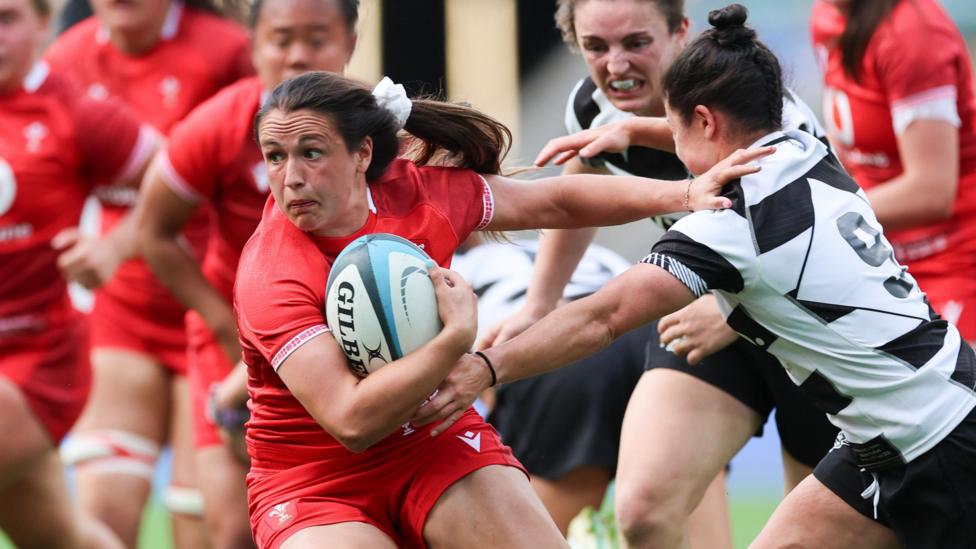
Williams' Debut Double Shatters Wales' Nine-Match Losing Nightmare
Amy Williams scored twice on her first cap as Wales finally ended a bruising nine-game losing run against the Barbarians.

Herbert Bogeys 18th to Miss Record 61 at The Open
Lucas Herbert's five-foot putt on the 18th at Royal Birkdale slides wide, denying him a historic major record and leaving a bitter 62.
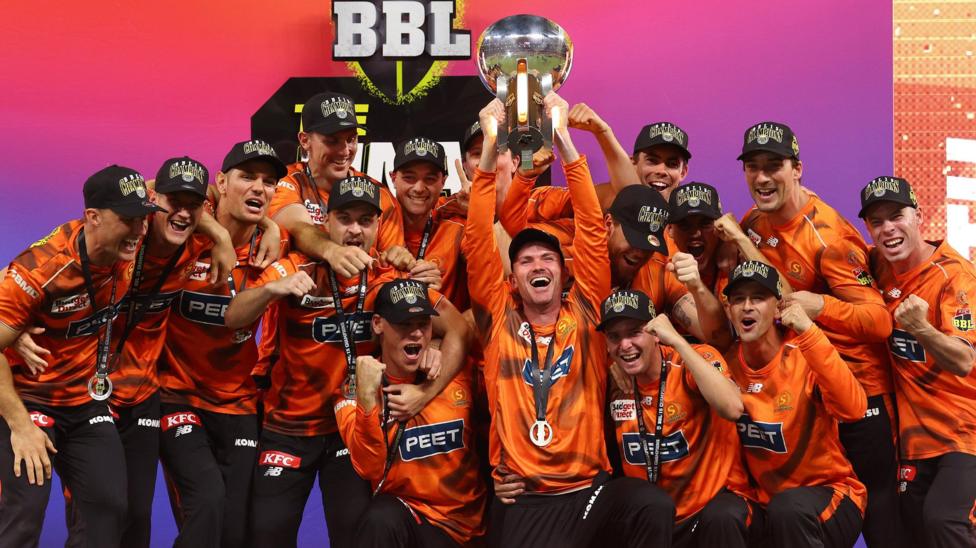
BBL's India Opener Is Cricket's Boldest Geography Play Yet
Cricket Australia sends the Big Bash League season opener to India. A calculated gamble with massive upside and existential risk.