Three Managers Out, One Tournament Rolls On: The GWC's Brutal Group Stage Aftermath
As the Geopolitics World Cup breathes after a 54-hour marathon, three managers walk away from the wreckage.
The Silence Between the Storms
Sixteen matches in 54 hours. That's what the Geopolitics World Cup group stage demanded of us, and we gave it willingly. Eyes bloodshot, sleep schedules obliterated, relationships tested. Then came the silence.
Nearly 36 hours without a single GWC fixture. One match. That was the offering. The withdrawal hit hard, the kind of emptiness that makes you stare at a blank television and wonder what you did before all of this started.
But football never truly stops. While the tournament exhaled, three managers were quietly walking toward exits they didn't all choose.
Clarke Walks Before He's Pushed
Steve Clarke's departure from his post carried a strange dignity. He walked willingly, as the saying goes, through the door marked Do One. No dragging of feet. No messy press conference meltdown. No leaked boardroom disagreements splashed across back pages.
Just a man who read the room and decided the timing was right.
Clarke's tenure had its moments. He brought structure, discipline, and a tactical identity that at times punched above its weight. But international football is a results business wrapped in a patience-shortening machine. The cycles come faster now. Tournaments demand immediate impact, and the margins between hero and scapegoat grow thinner with every group-stage exit.
"At least Steve Clarke walked willingly through the door marked Do One, unlike Marcelo Bielsa, who hasn't resigned and is waiting for the Uruguayan federation to oust him via the catapult marked Haz Uno." — JJ Zucal
The contrast with Bielsa is sharp and deliberate. Two men. Two exits. Two entirely different plays.
Bielsa's Standoff With Uruguay
Marcelo Bielsa does not do conventional. That's the brand, and he's earned it over decades of tactical brilliance mixed with volcanic touchline theatrics. But his current situation with the Uruguayan federation borders on absurdist theatre.
He hasn't resigned. He's waiting. Waiting to be removed. Waiting for the federation to make the first move so he can walk away on his terms, or perhaps on their dime. It's a standoff played out in silence, with neither side willing to blink.
Bielsa's fingerprints were all over Uruguay's GWC campaign. The pressing was aggressive, the shape was demanding, and when it clicked, the football was intoxicating. When it didn't, the gaps were cavernous. That's always been the Bielsa bargain: you take the genius with the risk, the beauty with the exposure.
The federation, reportedly, has had enough. The relationship has soured to the point where communication has essentially broken down. Bielsa won't quit because quitting means walking away from owed compensation. The federation won't sack him yet because doing so means paying that compensation. So everyone sits. And waits. And leaks to journalists.
It's an ugly ending to what began as a genuinely exciting appointment. Uruguay's squad is talented enough to compete at the highest level, but the managerial uncertainty threatens to bleed into the next competitive cycle. Players need clarity. They need a voice in the dressing room that isn't looking over its shoulder.
Fuchs Departs Newport to Universal Confusion
If Clarke's exit was dignified and Bielsa's is a slow-motion car crash, Christian Fuchs' departure from Newport County is simply baffling.
"Christian Fuchs ushered himself through the door marked Do One. The fans and board were happy with him, so I can't imagine why he opted to leave the beautiful surroundings of Newport." — Dave Lloyd
The fans were content. The board backed him. Results, by most accounts, were trending in the right direction. Yet Fuchs chose to walk. His reasons remain unclear, which only deepens the mystery.
Newport's loss could be someone else's gain. Fuchs brings a wealth of elite-level experience from his years at Leicester City, including that unforgettable 2015-16 Premier League title. His coaching acumen is still developing, but his football intelligence is beyond question. Whoever secures his services next gets a man who understands what it takes to build something from nothing.
For Newport, the search begins again. Stability, so precious in the lower leagues, has been disrupted.
England's Next Test: DRC in Atlanta
While the managerial merry-go-round spins, the GWC marches on. England face the Democratic Republic of Congo in Atlanta on Wednesday, a fixture that carries its own quiet significance.
England's group-stage campaign was efficient rather than electric. The kind of run that earns progress without generating widespread excitement. Southgate's side did what was required, nothing more, nothing less. Now the knockout phase looms, and the questions intensify.
Can this squad produce a defining performance? Can the attacking talent, so potent at club level, translate that form to the international stage under tournament pressure? The DRC match offers a chance to build momentum, to find the rhythm that has been missing.
The Congolese will not roll over. They have physicality, pace in wide areas, and the fearlessness that comes from having nothing to lose. England have been warned.
The Tournament's Unique Rhythm
What the GWC has exposed is the sheer relentlessness of the modern international tournament schedule. 16 matches in 54 hours is not a schedule. It's an assault on the senses, a firehose of football that leaves fans simultaneously exhilarated and exhausted.
The group stage broke records. Viewership numbers, goal tallies, and surprise results stacked up at a rate that defied even the most optimistic projections. Canada's victory over South Africa was one of many narratives that kept the tournament bubbling with unpredictability.
But the 36-hour gap that followed served as a necessary palate cleanser. A reminder that even in the age of wall-to-wall coverage, absence makes the heart grow fonder.
What Comes Next
The knockout rounds begin in earnest now. The stakes double. The margins halve. Every tactical decision, every substitution, every moment of individual brilliance or catastrophe will be magnified under the unforgiving lens of elimination football.
For the managers still standing, this is the phase that defines legacies. For those who have already departed, Clarke and Fuchs walk into an uncertain future. Bielsa sits in limbo, arms folded, waiting.
The GWC doesn't care about any of that. It simply keeps rolling, consuming everything in its path, demanding your attention and offering no apology for the sleep it steals.
Football's greatest tournament is back underway. Try to keep up.
Editorial Integrity
This is an original SportPulse article written by our editorial team. All content is independently researched, written, and reviewed by our writers and editors before publication. We do not publish copied, aggregated, or syndicated content.
SportPulse is committed to original sports journalism. Read our editorial policy or contact us with any questions.
More Like This
All football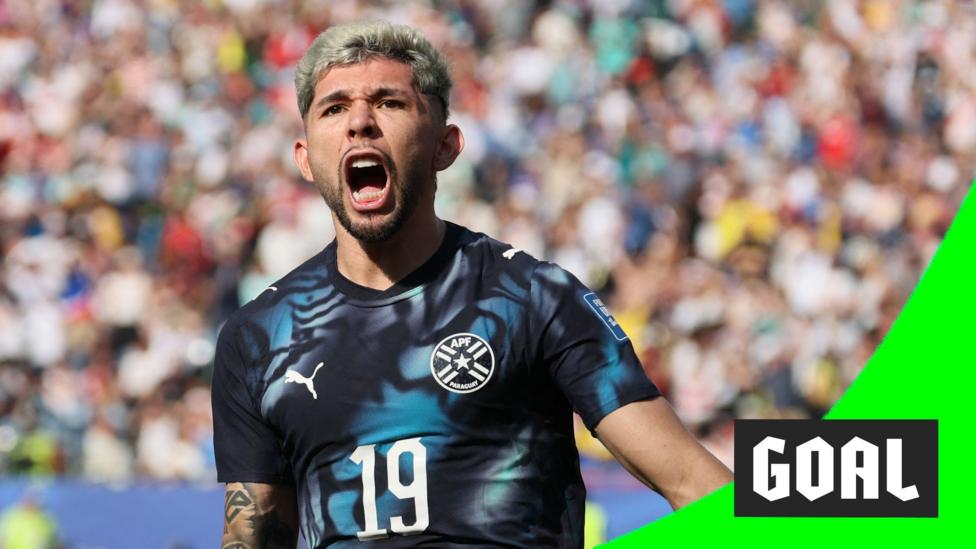
Enciso Stuns Germany as Paraguay Grab Shock Round-of-32 Lead
Julio Enciso's strike sends shockwaves through the tournament as underdog Paraguay lead mighty Germany in a knockout thriller.
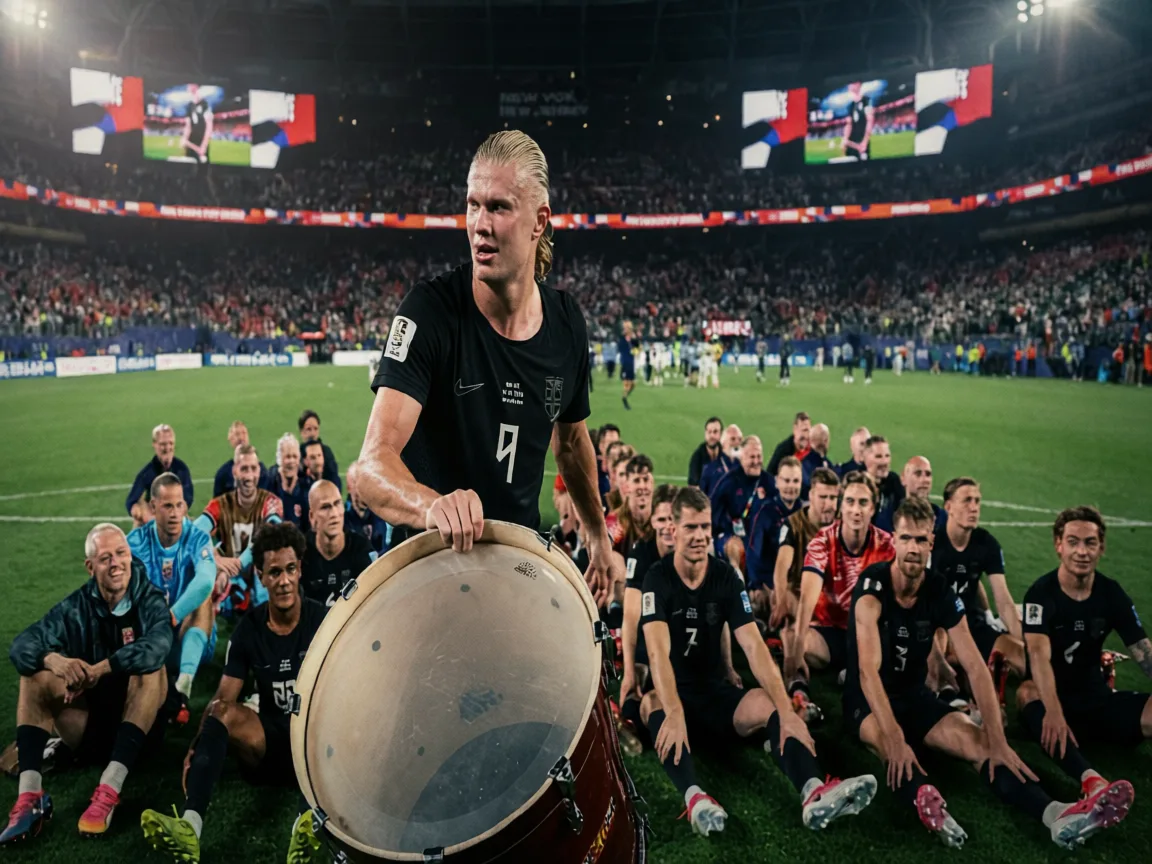
Your Boys Took a Hell of a Beating: England-Norway's Ghost Story
England's World Cup quarter-final against Norway awakens a commentary more legendary than the fixture itself.
From Hero to Heartbreak: World Cup Penalties Rewrite History for Germany and Netherlands
Jonathan Tah channels Chris Waddle's infamous miss as two European giants fall to the cruelest lottery in football.